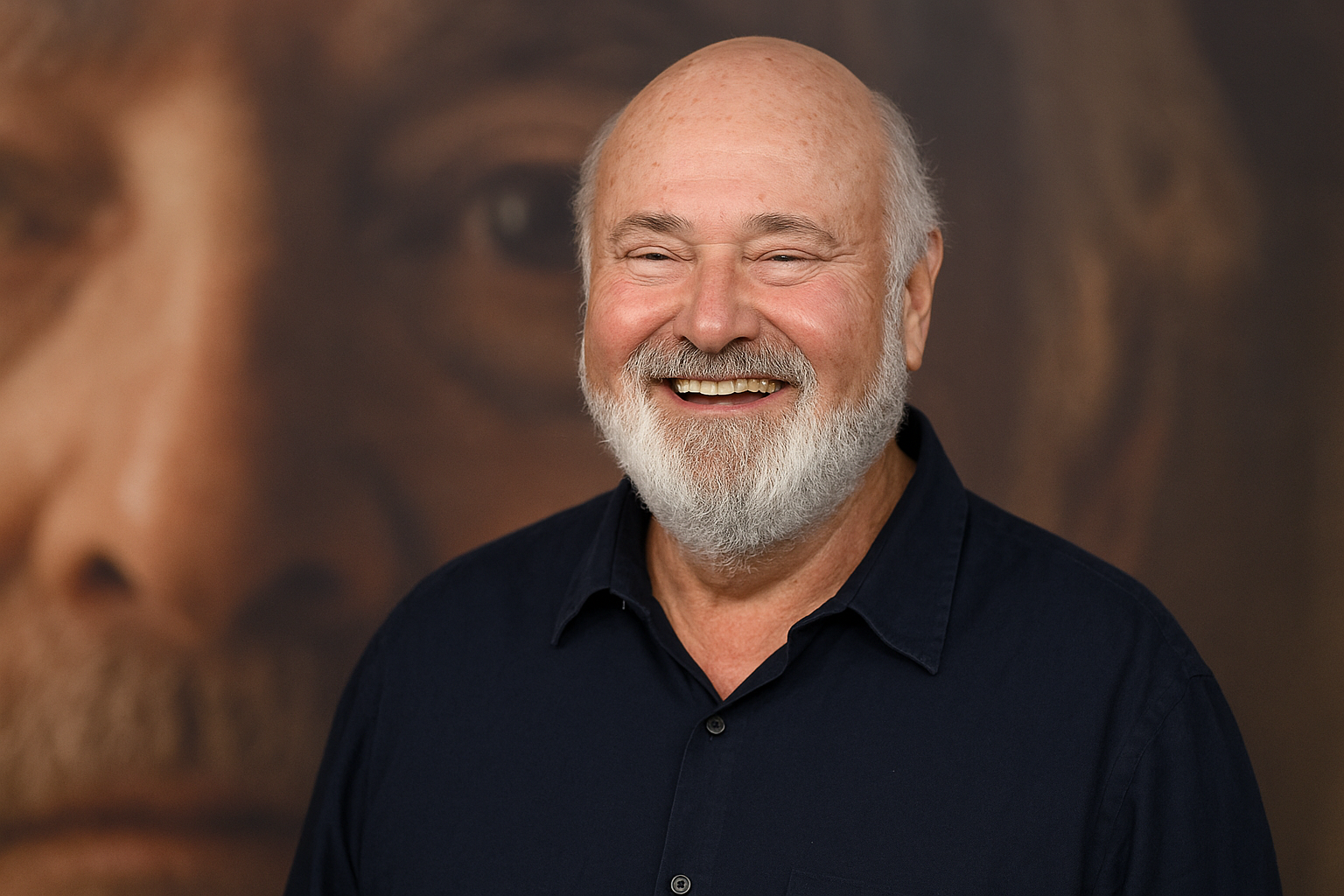
Rob Reiner (March 6, 1947 – December 14, 2025) was an American actor, director, producer and activist whose work shaped American comedy and modern Hollywood storytelling for nearly five decades. Known first to the public as Michael “Meathead” Stivic on the ground-breaking TV sitcom All in the Family, Reiner went on to direct a string of beloved and influential films — This Is Spinal Tap, The Princess Bride, Stand by Me, When Harry Met Sally…, A Few Good Men and Misery among them — and to use his platform for political and social causes.
Thank you for reading this post, don’t forget to subscribe!Early life and rise to fame
Born in New York City, Rob Reiner was the son of comedy legend Carl Reiner and singer/actress Estelle Reiner. He grew up around show business and early on found his own path. Reiner first achieved national fame as an actor in the 1970s playing the liberal son-in-law Michael “Meathead” Stivic on All in the Family, a role that made him a household name and displayed his comedic timing and on-screen charisma.
Transition to filmmaking — signature works
In the late 1970s and 1980s Reiner moved behind the camera and quickly established himself as a thoughtful, versatile director with a rare mix of sharp comedy and sincere drama.
- This Is Spinal Tap (1984) — a landmark mockumentary that mixed satire and heartfelt affection for its characters; it has become a cultural touchstone and is widely quoted and studied for its influence on comedy filmmaking.
- The Princess Bride (1987) — a beloved family adventure that blended romance, satire and fantasy and remains a perennial favourite across generations.
- Stand by Me (1986) and When Harry Met Sally… (1989) — films that showed Reiner’s gift for adapting literature and stage material into emotionally resonant, commercially successful films.
- A Few Good Men (1992) and Misery (1990) — demonstrating his range, Reiner could elicit powerhouse dramatic performances while keeping audience engagement high.
He also co-founded Castle Rock Entertainment, a production company behind TV and film hits, further cementing his influence in the industry.
Why he was famous — influence, style, and legacy
Rob Reiner’s fame rested on three interlocking strengths:
- Versatility. He succeeded as actor, director, producer and occasional writer, crossing genres from satirical mockumentary to romantic comedy to intense courtroom drama.
- Cultural impact. Reiner helped create and popularize formats and films that entered the cultural lexicon (lines from Spinal Tap, scenes from When Harry Met Sally…, and the fairy-tale quotability of The Princess Bride).
- Talent for storytelling and actors. His films are remembered both for tight, witty scripts and for eliciting strong performances — a director who combined commercial instincts with artistic care.
Many of his films have appeared on critics’ “best of” lists, and several have been preserved, celebrated and taught as examples of modern American cinema.
Contributions beyond film — activism and public life
Reiner was also an outspoken civic actor. He used his public profile to advocate for progressive causes — marriage equality, early childhood education, public health initiatives and voter engagement — and helped found or support organizations and initiatives aligned with those goals. He frequently spoke on political topics and was known for vigorous public advocacy, believing that artists have a responsibility to engage socially and politically.
The tragic incident that took his life — what is known
On December 14, 2025, Rob Reiner and his wife Michele Singer Reiner were found dead in their Brentwood, Los Angeles home. They were 78 and 68, respectively. Authorities described the deaths as an apparent homicide; news outlets reported that both had sustained fatal injuries and a homicide investigation was opened. Some early reports indicated a family member was being questioned, but official investigations were ongoing and details were still being confirmed by law enforcement at the time of reporting. Because this is an active investigation, facts and legal determinations (motive, suspect status, exact cause and manner of death) may evolve as authorities release information.
Assessing his legacy
Rob Reiner’s contributions to film and society are broad:
- Cinematic legacy: a portfolio of films that continue to entertain, inspire filmmakers and shape how stories are told — particularly his work in elevating comedic forms and adapting intimate, character-driven narratives for mass audiences.
- Industry leadership: as co-founder of a production company and a respected director-producer, he helped foster other creators and projects that became cultural landmarks.
- Public advocacy: his activism on civil-rights and civic issues reflected a belief in using celebrity to affect public policy and social change.
For many fans and peers, Reiner will be remembered for a rare combination of humour, humanism and civic engagement — a storyteller who both entertained and pushed for social progress.
Leave a Reply