Introduction: What Is Berkshire Hathaway?
Thank you for reading this post, don’t forget to subscribe!Berkshire Hathaway Inc. is one of the world’s largest and most respected multinational conglomerates — a company that owns dozens of distinct businesses and holds major investments in others. Originally a struggling textile firm, it is today a powerhouse in insurance, railroads, energy, manufacturing, and investment portfolios. Berkshire’s story is inseparable from its long-time leader Warren E. Buffett, the legendary investor widely known as the “Oracle of Omaha.”
Origins and Transformation
Founded in the 19th century as a textile manufacturer, the company was acquired by Buffett in the mid-1960s. Buffett used the company not to run textiles, but as a holding vehicle — first for insurance businesses like National Indemnity and later for a broad array of operating companies and stock investments. Over decades, he transformed it into a sprawling empire with massive cash reserves and a reputation for value investing and long-term growth.
How Berkshire Hathaway Works — The Business Model
Berkshire Hathaway operates as a decentralized conglomerate — meaning its many businesses run independently, while the parent company provides capital allocation, financial oversight, and strategic direction.
Three Core Engines
- Operating Businesses and Subsidiaries:
Berkshire controls more than 60 businesses across sectors such as insurance (e.g., GEICO), railroads (BNSF Railway), energy (Berkshire Hathaway Energy), manufacturing, retail, and more. These subsidiaries generate steady cash flow and profits independently. - Investment Portfolio:
Berkshire holds large equity stakes in major public companies such as Apple, Coca-Cola, and Bank of America. These investments produce dividends and capital gains that enrich shareholders. - Insurance Float:
Berkshire’s insurance companies collect premiums before paying claims — creating what Buffett calls “float,” a pool of capital available to invest elsewhere. This float is a unique competitive advantage.
Decentralized Culture
Unlike typical mega-corporations, Berkshire does not impose a central command culture. Subsidiaries make day-to-day decisions. Only corporate leaders like Buffett (historically) handle big capital moves, acquisitions, and portfolio decisions. This “trust over bureaucracy” approach is famously simple yet effective.
Who Leads Berkshire Hathaway Today?
For six decades, Warren Buffett was CEO and the heart of Berkshire Hathaway, building its philosophy of value investing, patience, and long-term thinking. His annual shareholder letters have been studied worldwide for insights into investing and business strategy.
Leadership Transition
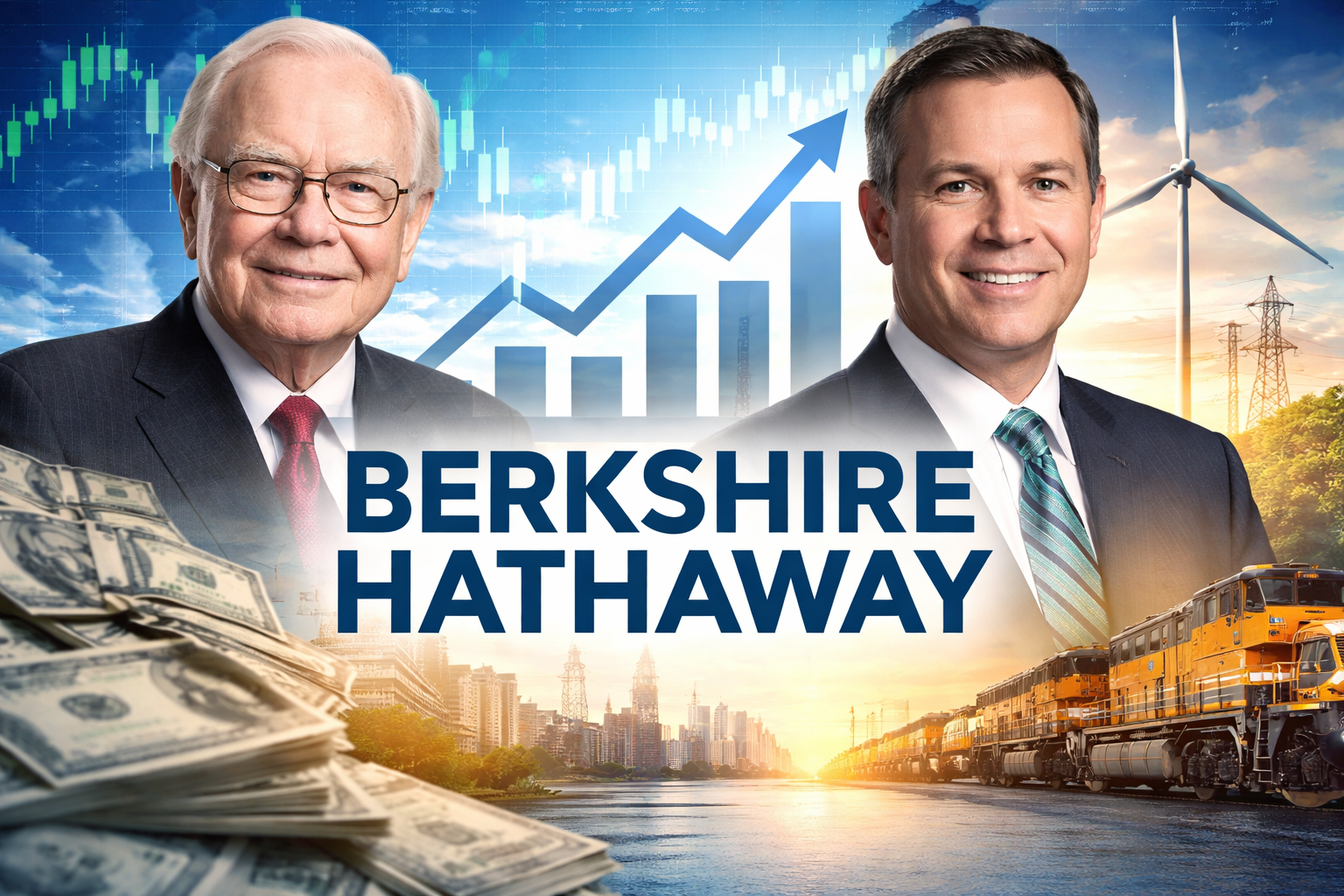
As of January 1, 2026, Buffett has officially stepped down as CEO, and Greg Abel — longtime executive overseeing Berkshire’s non-insurance businesses and utilities — has taken the role of CEO and President. Buffett remains with the company as Chairman and continues to influence its culture and strategy.
Abel’s challenge will be to uphold Berkshire’s disciplined culture, make productive use of enormous cash reserves, and demonstrate that the company’s success extends beyond Buffett’s personal leadership.
Strengths of Berkshire Hathaway
Berkshire Hathaway’s success stems from several powerful strengths:
1. Massive Financial Strength
With tens of billions in insurance float plus hundreds of billions in cash and short-term investments, Berkshire has unmatched financial flexibility. Such reserves help the company weather downturns and seize acquisition opportunities quickly.
2. Diversified Business Portfolio
Berkshire’s holdings span many industries — giving it multiple revenue streams that help stabilize returns even when one sector underperforms.
3. Brand and Reputation
The Berkshire brand inspires trust among business owners, investors, and regulators. Its long track record of integrity and performance creates loyalty and reduces friction in acquisitions and deals.
4. Insurance Operations
Insurance provides a steady source of investable capital and underwriting profits, making it a core strength unmatched by many conglomerates.
5. Investment Expertise
Buffett’s value-based, disciplined investing has generated massive long-term returns and positioned Berkshire as one of the world’s most respected investment portfolios.
Weaknesses and Risks
Even giants have vulnerabilities:
1. Succession and Leadership Shift
The departure of Buffett after 60 years naturally raises concerns about whether his successor can fully uphold Berkshire’s unique culture and investment discipline. While Greg Abel is highly respected, stepping into Buffett’s shoes is a historic challenge.
2. Size & Complexity
A conglomerate with dozens of subsidiaries is inherently complex. Coordination across such a diverse set of operations can slow decision-making and create inefficiencies.
3. Limited Focus in High-Growth Sectors
Berkshire’s historic caution toward certain sectors, especially fast-moving tech, can mean missed opportunities — something Buffett himself acknowledged in past shareholder reflections.
4. International Presence
Despite some global investment, Berkshire’s primary operations are U.S.-centric — potentially limiting exposure to international growth markets.
What Can We Learn from Berkshire Hathaway?
Berkshire Hathaway offers timeless lessons for investors, business leaders, and entrepreneurs:
1. Think Long-Term
Buffett’s success emphasizes patience and long-term value over short-term speculation. His famous “snowball” metaphor shows how consistent reinvesting and compounding can build staggering wealth and business value.
2. Invest Within Your Circle of Competence
Buffett famously avoids sectors he doesn’t understand — a reminder that deep knowledge beats broad arrogance.
3. Decentralize and Empower
Trusting capable leadership at all levels encourages innovation, accountability, and agility — even inside large organizations.
4. Build an Economic Moat
Berkshire looks for companies with sustainable competitive advantages — akin to castles protected by wide moats — helping preserve profitability over time.
5. Maintain Financial Discipline
Conserving capital, avoiding undue debt, and focusing on intrinsic value have kept Berkshire stable, even in market turmoil.
Conclusion
From its humble textile roots to a sprawling global conglomerate, Berkshire Hathaway’s journey is a testament to discipline, patience, and strategic thinking. With a diversified business model, strong financial base, and new leadership under Greg Abel, it remains a pillar of American business — and a source of enduring lessons for leaders and investors worldwide.
Leave a Reply