Formula One — often called F1 — is the world’s fastest, most technologically advanced, and most prestigious motorsport. It represents the perfect fusion of speed, engineering innovation, human skill, drama, global culture, and sheer spectacle.
Thank you for reading this post, don’t forget to subscribe!Established officially as a World Championship in 1950, F1 has evolved into a global phenomenon watched by hundreds of millions across more than 20 countries every year.
This blog explains:
- What F1 is
- When & how it started
- Why it is important
- Who the major teams & drivers are
- How F1 races work
- Complete historical timeline (1906–2025)
- Evolution of F1 cars
- What’s coming next (2026 rules)
What Is Formula One (F1)?
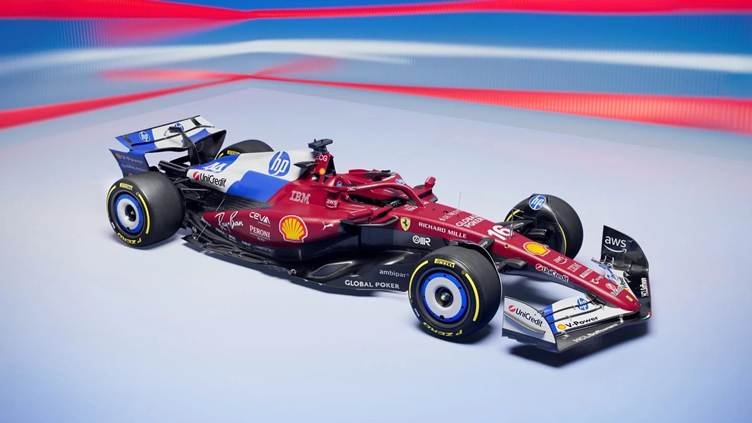
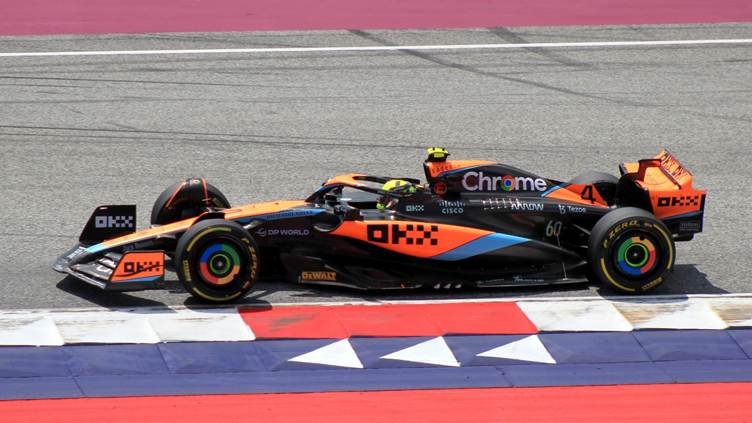
Formula One is the highest class of single-seat, open-wheel racing sanctioned by the FIA (Fédération Internationale de l’Automobile).
Key characteristics:
- Cars reach 300+ km/h (200+ mph)
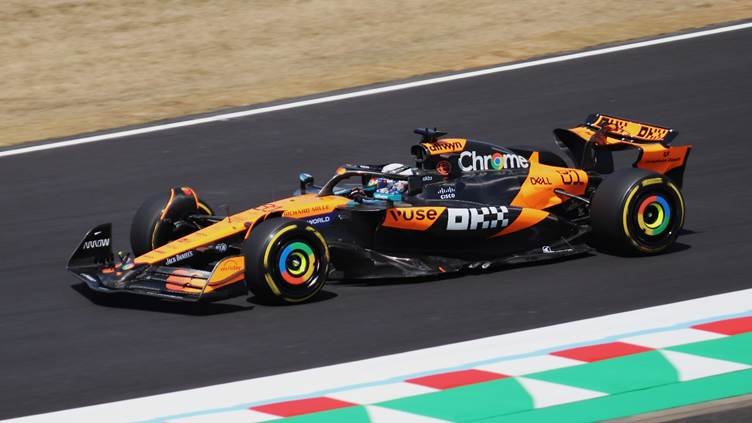
- Built using carbon fibre, hybrid engines, advanced aerodynamics
- Driven by the world’s most skilled racing drivers
- Every team designs its own car from scratch
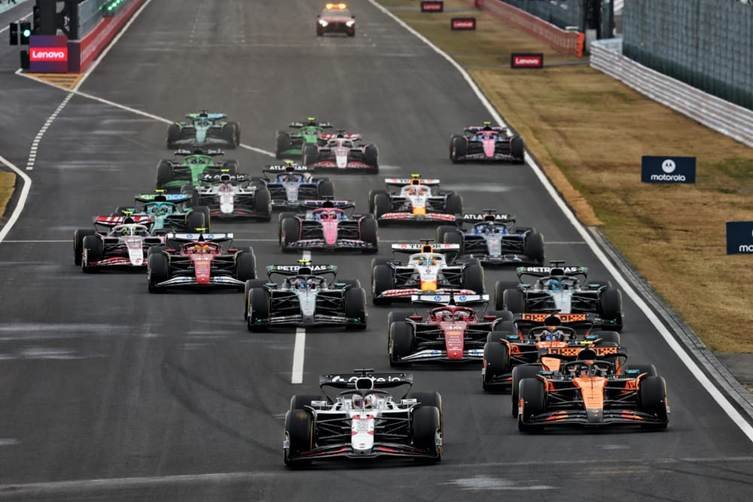
- Races (called Grands Prix) take place around the world
It is rightly described as “the pinnacle of motorsport” because of its unmatched engineering, speed, and global appeal.
How & When F1 Started — A Quick History
- 1906: First Grand Prix race (France)
- 1946: FIA formalizes “Formula A”, later named Formula One
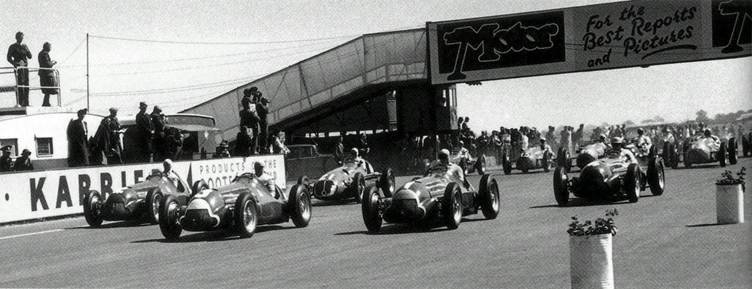
- 1950: First official F1 World Championship at Silverstone, UK
- 1950 Champion: Giuseppe Farina (Alfa Romeo)
This marked the beginning of a legacy that now spans 75+ years.
Why F1 Is Important
1️⃣ Technological Innovation
F1 cars are among the most advanced machines ever built. Innovations from F1 often influence road-car technology, such as:
- Hybrid systems
- Aerodynamic shaping
- Carbon-fibre safety cells
- Energy recovery systems
2️⃣ Human Skill & Drama
Drivers require:
- millisecond reflexes
- extreme endurance
- razor-sharp decision-making
- bravery at 300 km/h
- peak physical fitness
F1 produces legendary rivalries:
- Senna vs. Prost
- Hamilton vs. Verstappen
3️⃣ Global Cultural Impact
F1 races in iconic cities like Monaco, Silverstone, Singapore, Austin, Jeddah, and Melbourne.
It attracts celebrities, brands, engineers, and fans from every continent.
4️⃣ Massive Economic Influence
Each Grand Prix generates millions in tourism, broadcasting, sponsorships, and innovation.
How F1 Works — Races, Points, Weekends
A typical F1 weekend includes:
Friday — Practice Sessions
Teams test fuel loads, setups, tires, and aerodynamic upgrades.
Saturday — Qualifying
The fastest driver earns Pole Position (P1).
Sunday — Grand Prix (Race)
- Race distance: ~305 km
- 1–2 pit stops for tires
- Points awarded to top 10 finishers
- Extra point: Fastest lap
Team strategy is critical — tire choices, pit timing, and weather can change everything.
Major F1 Teams & Drivers (2025)
🔹 Top Teams
- Red Bull Racing
- Ferrari
- Mercedes-AMG Petronas
- McLaren
- Aston Martin
- Alpine
- Williams
- Haas
- Sauber
- Racing Bulls
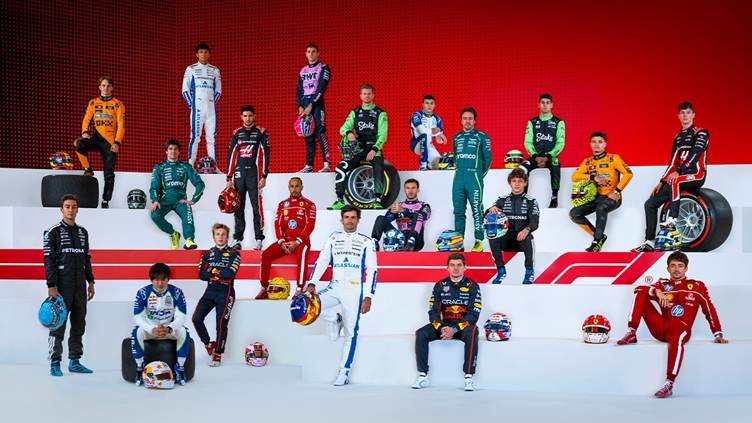
🔹 Top Drivers (2025)
- Max Verstappen (Red Bull)
- Lewis Hamilton (Ferrari from 2025)
- Lando Norris (McLaren)
- Charles Leclerc (Ferrari)
- Fernando Alonso (Aston Martin)
- George Russell (Mercedes)
These drivers represent the highest levels of racing talent in the world.
Complete F1 Timeline (1906–2025)
🔹 1900–1949: The Beginning
- 1906: First Grand Prix
- 1920–30s: European Grand Prix racing grows
- 1946: Formula One rules created
🔹 1950–1959: Official World Championship
- 1950: First F1 race at Silverstone
- 1955: Mercedes dominates
- 1958: Constructors’ Championship introduced
🔹 1960–1979: Innovation & Safety
- Mid-engine revolution
- First aerodynamic wings
- Ground-effect era (Lotus 79)
- Jackie Stewart pushes safety reforms
🔹 1980–1999: Turbo & Electronics Era
- 1980s: Turbo engines over 1,000 hp
- Senna–Prost rivalry
- 1994: Safety reforms after Imola
- 1998: Aerodynamic rule overhaul
🔹 2000–2013: Modern Electronics
- 2000–2004: Schumacher & Ferrari dominance
- 2009: KERS hybrid technology introduced
- 2010–2013: Vettel & Red Bull four-peat
🔹 2014–2020: Hybrid Era
- 2014: 1.6L turbo-hybrid engines
- Mercedes era dominates
- 2016: Rosberg wins then retires
🔹 2021–2025: New Regulations & Red Bull Era
- 2021: Verstappen vs. Hamilton title showdown
- 2022: Ground-effect cars return
- 2023–2025: Verstappen dominates
- 2025: Global expansion with 24+ races
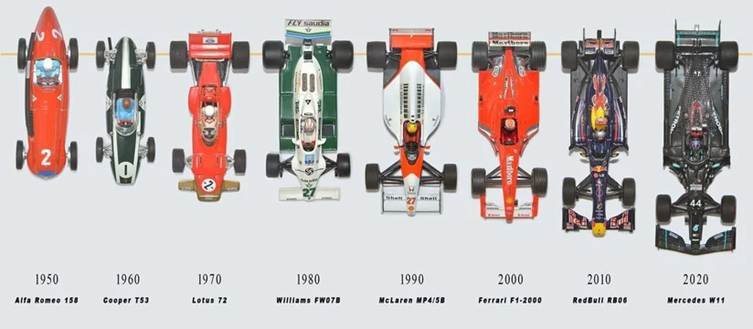
Evolution of F1 Cars: 1950 vs 2025
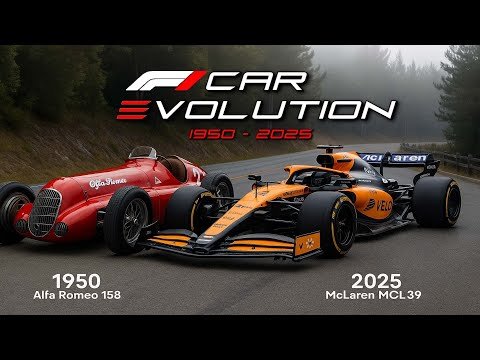
| Feature | 1950 Car | 2025 Car |
| Top Speed | ~250 km/h | 350+ km/h |
| Engine | 4–8 cylinder | 1.6L Turbo Hybrid |
| Power | ~100–150 hp | 900+ hp (combined) |
| Safety | Minimal | Halo, carbon-fibre cell |
| Aerodynamics | None | Ground-effect + wings |
| Electronics | None | Advanced telemetry & AI-assisted strategy |
The Future of F1 — 2026 & Beyond
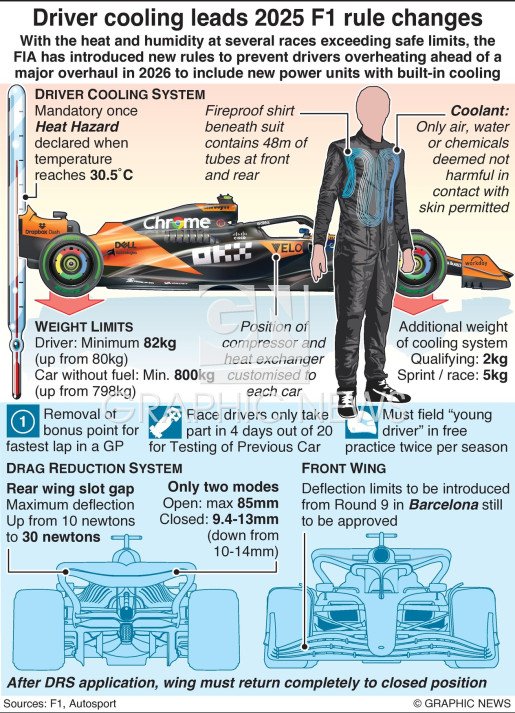
2026 Rule Revolution
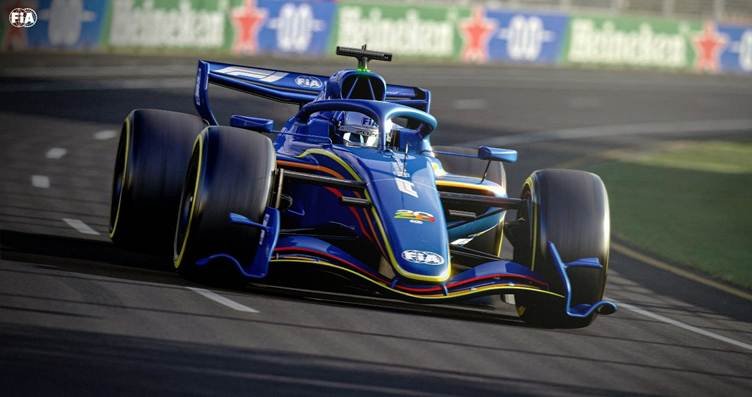
- 50% electric + 50% sustainable fuel
- Reduced aerodynamic drag
- Active aerodynamic wings
- Lighter and more energy-efficient cars
New Teams Expected
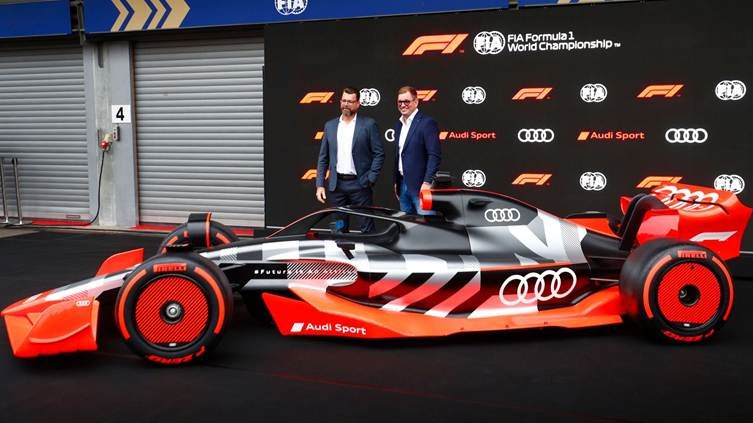
- Audi
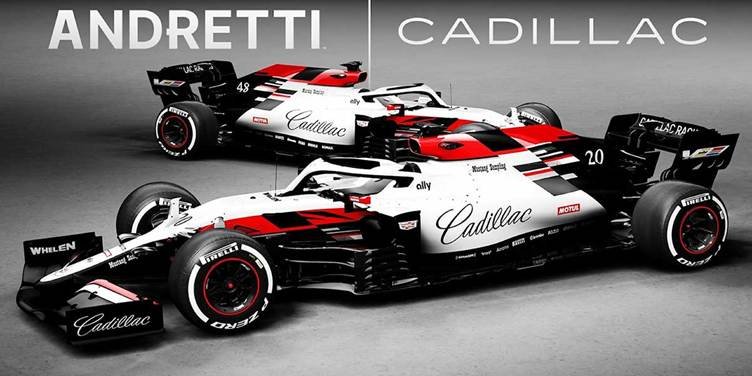
- Cadillac–Andretti (pending final approval)
Net-Zero by 2030
F1 is committed to carbon neutrality in logistics, racing, and fuel usage.
FAQs for Beginners
Q1. How many drivers race in F1?
20 drivers (2 per team).
Q2. How many races in a season?
Approximately 24 Grand Prix events.
Q3. Which is the most famous race?
The Monaco Grand Prix — known for glamour & tight street layout.
Q4. Who has the most championships?
- Michael Schumacher (7)
- Lewis Hamilton (7)
Q5. When is the next major F1 rule change?
In 2026, with new hybrid engines and aero rules.
Conclusion
Formula One is far more than a racing series — it’s a global culture, a technological frontier, a stage for heroic human performance, and a living history stretching from 1906 to 2025. With new teams, new rules, new drivers, and sustainable innovation ahead, F1’s future is brighter and faster than ever.
Leave a Reply