Blog

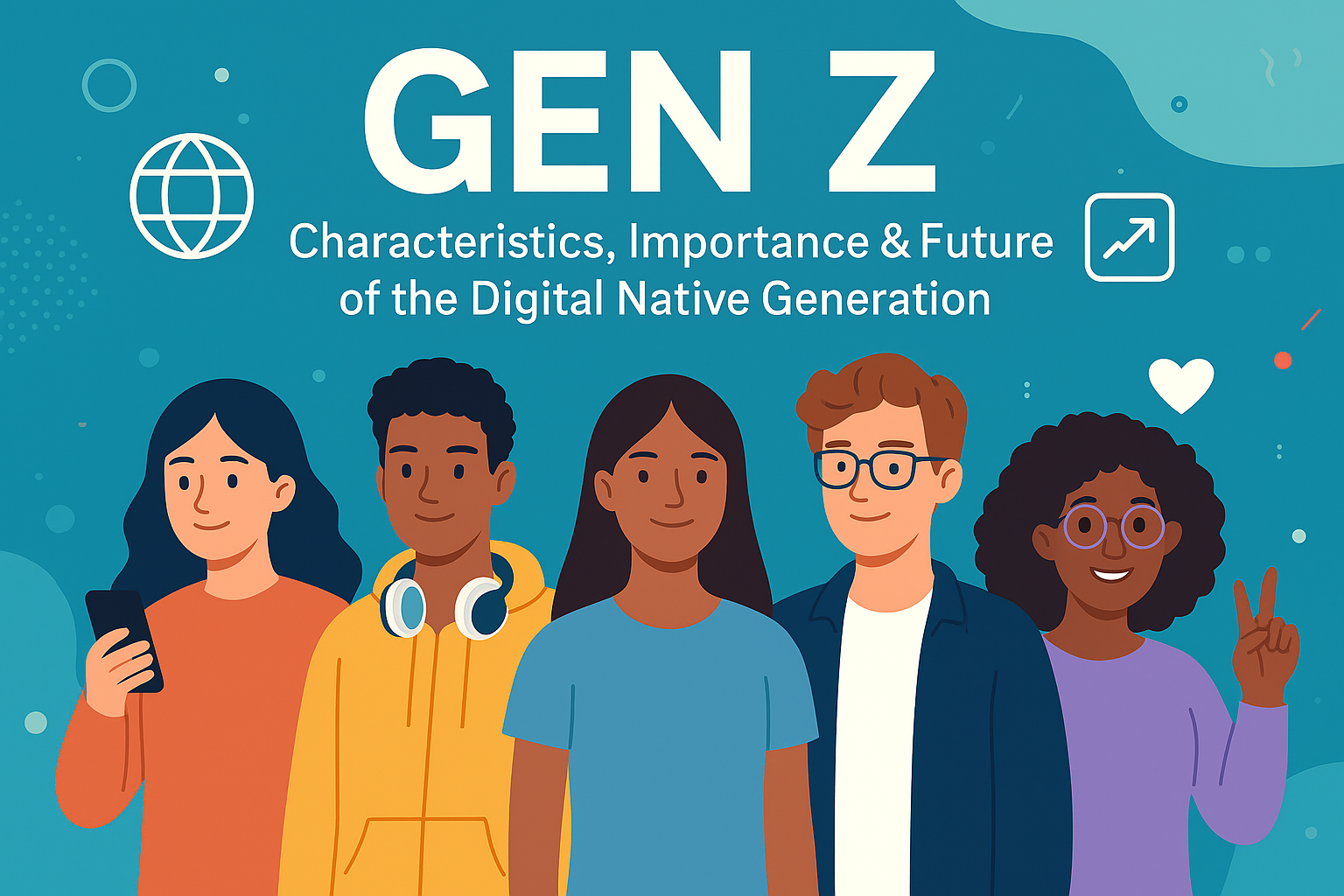
  • Gen Z: Characteristics, Values, and Future of this Generation

    Gen Z: Characteristics, Values, and Future of this Generation

    Introduction

    Every generation leaves a unique imprint on history, culture, and society. After the Millennials, a new cohort has been steadily redefining values, trends, and the global workforce—Generation Z (Gen Z). Born into a digitally connected world, Gen Z is not only reshaping consumer markets but also influencing politics, workplaces, and cultural narratives. But who exactly are they, what makes them different, and why do they matter so much today?

    Origin of the Term “Gen Z”

    The term Generation Z emerged in the late 1990s and early 2000s, following the naming trend that started with Generation X (born 1965–1980) and Millennials or Gen Y (born 1981–1996). Gen Z typically refers to those born between 1997 and 2012, although the exact years may vary slightly among researchers. They are the first generation to grow up entirely in the digital era, surrounded by smartphones, social media, and instant access to information.

    The “Z” does not have a deep symbolic meaning; it was simply a continuation from Generation X and Y. But over time, Gen Z has come to represent zeal, zest, and zero boundaries in terms of global connectivity and opportunities.

    Key Characteristics of Gen Z

    1. Digital Natives

    Unlike Millennials who witnessed the rise of the internet, Gen Z was born into a hyper-connected digital environment. They are fluent in technology, adapt quickly to new platforms, and rely heavily on social media for communication, entertainment, and even education.

    2. Diversity and Inclusion

    Gen Z is the most diverse and multicultural generation in history. They value inclusivity, social justice, and equality, often challenging traditional norms and supporting progressive causes.

    3. Entrepreneurial Mindset

    This generation is driven by independence and creativity. Many Gen Zers explore side hustles, content creation, freelancing, or entrepreneurship at an early age, enabled by digital tools and platforms.

    4. Pragmatic and Financially Minded

    Unlike Millennials, often criticized for idealism, Gen Z is more practical about money and career choices. Having grown up during the Great Recession and global uncertainties, they prioritize stability, savings, and meaningful work.

    5. Mental Health Awareness

    Gen Z is also known for being open about mental health struggles. They actively seek balance, self-care, and well-being, and they are not afraid to challenge stigmas around therapy or burnout.

    6. Global Citizens

    Through digital exposure, Gen Z views themselves as part of a borderless community. They are more connected to international issues such as climate change, social justice, and humanitarian causes than previous generations.

    Importance of Gen Z

    1. Shaping the Workforce

    By 2030, Gen Z will make up nearly one-third of the global workforce. Their preference for flexible work arrangements, meaningful careers, and digital solutions is already reshaping corporate policies.

    2. Driving Consumer Trends

    Gen Z influences markets like no generation before. They prefer sustainable brands, authenticity, and personalized experiences over traditional advertising. Platforms like TikTok, YouTube, and Instagram are their go-to sources for product discovery.

    3. Social and Political Impact

    Gen Z has been at the forefront of climate activism, racial justice movements, and digital advocacy. They are vocal, mobilized, and unafraid to demand accountability from governments and corporations.

    4. Cultural Redefinition

    From fashion and music to memes and digital culture, Gen Z is constantly shaping new global trends. Their creativity thrives on platforms like TikTok and Instagram Reels, giving rise to micro-trends that spread worldwide in days.

    Dimensions Associated with Gen Z

    1. Technology and AI Integration
      • Gen Z embraces AI tools, automation, and virtual reality. They see these not as threats but as extensions of creativity and productivity.
    2. Education Preferences
      • They prefer skill-based learning and flexible online education over rigid traditional methods. Platforms like Coursera, Udemy, and YouTube tutorials play as much of a role as universities.
    3. Environment and Sustainability
      • Climate change is one of their biggest concerns. They support eco-friendly products and companies committed to green initiatives.
    4. Identity and Expression
      • Gender fluidity, body positivity, and self-expression are central values. They challenge stereotypes and promote individual authenticity.
    5. Economic Power
      • By 2035, Gen Z is expected to hold a significant share of global consumer spending power, shaping industries ranging from fashion and tech to travel and healthcare.

    Challenges of Gen Z

    • Information Overload: Growing up in an age of constant information can lead to stress and misinformation.
    • Mental Health Struggles: High exposure to online comparison culture can lead to anxiety and depression.
    • Job Market Pressures: Balancing expectations of meaningful work with financial stability remains a challenge.
    • Privacy Concerns: With their lives so deeply online, protecting digital privacy is a major issue.

    The Future of Gen Z

    Gen Z is not just a “generation in transition”—they are the driving force of the future. Their ability to balance technology with human values, innovation with responsibility, and individuality with inclusivity makes them uniquely positioned to shape a better, more equitable world. Businesses, policymakers, and educators who understand Gen Z’s values and aspirations will thrive in the years to come.

    Conclusion

    Generation Z is more than a demographic label—it’s a cultural and economic powerhouse. Defined by digital fluency, diversity, and a strong sense of responsibility, they are influencing every sphere of life from workplaces to markets, politics to culture. Understanding Gen Z is no longer optional; it’s essential for anyone looking to stay relevant in today’s rapidly evolving world.
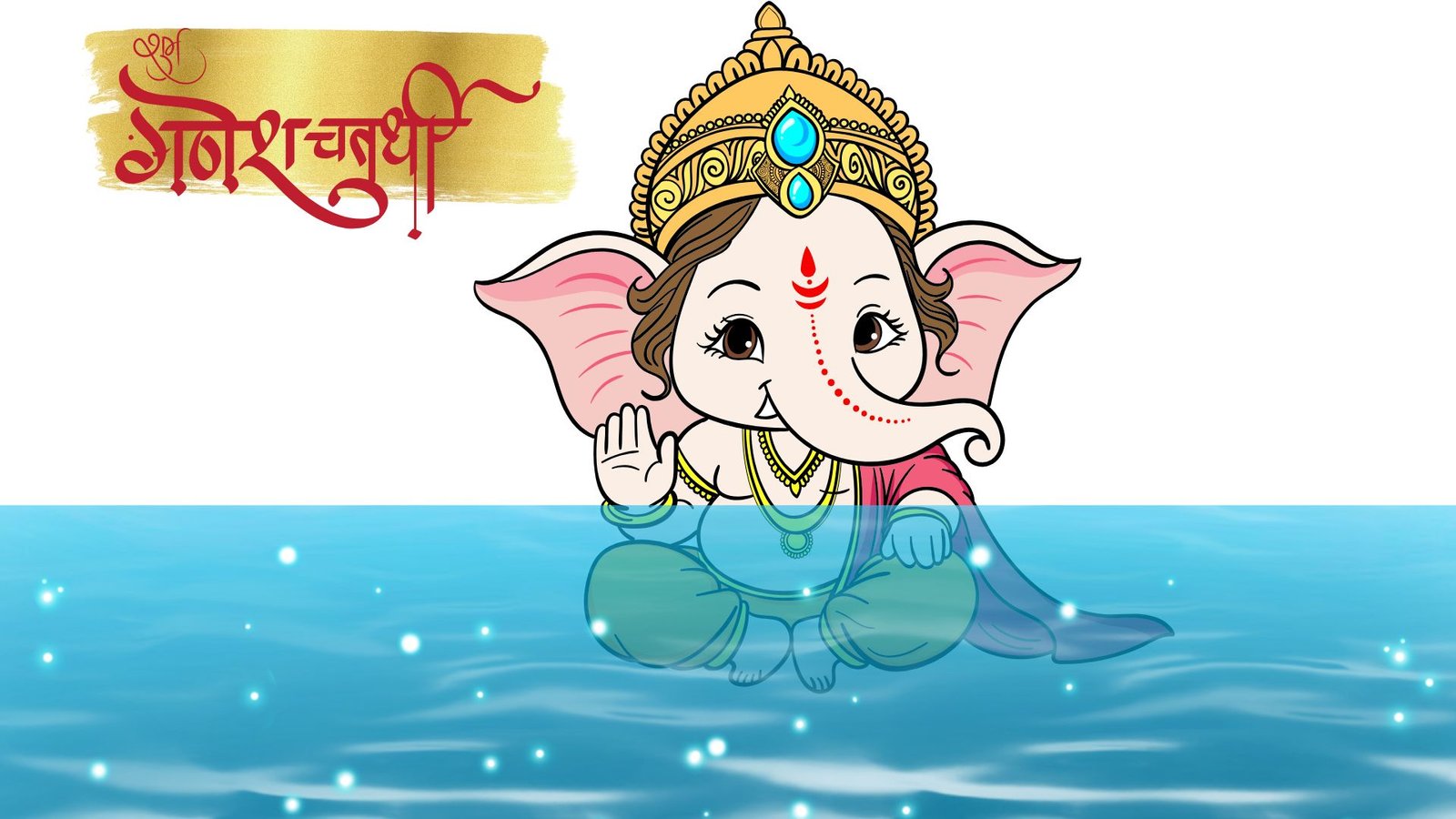

  • Eco-Friendly Ganesha Idol Visarjan: Sustainable Ways to Celebrate Ganesh Chaturthi

    Eco-Friendly Ganesha Idol Visarjan: Sustainable Ways to Celebrate Ganesh Chaturthi

    Ganesh Chaturthi is one of the most celebrated festivals in India, marking the arrival of Lord Ganesha into our homes and communities. While the celebrations bring joy, music, and devotion, the traditional visarjan (immersion of idols in rivers, lakes, or seas) often causes severe environmental harm. Idols made of Plaster of Paris (PoP) and coated with chemical paints release toxins, pollute water bodies, and harm aquatic life.

    To keep the spirit of devotion alive while protecting the environment, many communities and individuals are now adopting eco-friendly visarjan methods. Here are some meaningful and sustainable ways to celebrate:

    1. Clay or Mitti Idols with Home Immersion

    Opt for natural clay idols that dissolve quickly in water without polluting it. Instead of immersing them in rivers or lakes, you can perform visarjan at home in a bucket or tub filled with water. After immersion, the clay can be used to nourish plants in your garden or pots.

    2. Seed Ganesha Idols

    A beautiful innovation, seed-embedded idols are made of red soil, clay, and natural fertilizers. When immersed in a pot or garden soil, the idol dissolves, and the embedded seeds sprout into plants. This symbolizes the cycle of creation and renewal, making the festival truly life-giving.

    3. Artificial/Portable Tanks for Community Visarjan

    Many housing societies and cities are installing artificial ponds or tanks for visarjan. These controlled water bodies ensure idols do not harm natural lakes and rivers. Later, the dissolved clay can be used for gardening or landscaping.

    4. Eco-Friendly Materials for Decoration

    Apart from the idol, decorations should also be sustainable. Use flowers, banana leaves, coconut shells, paper, and cloth instead of thermocol, plastic, or glitter-based items. After visarjan, these natural materials can be composted.

    5. Symbolic or Virtual Visarjan

    Some devotees now perform a symbolic visarjan by sprinkling water on the idol and retaining it for reuse every year. Others participate in virtual visarjan ceremonies organized online, where the essence of the ritual is maintained without physical immersion.

    6. Natural Color and Mud Immersion

    If you wish to use small clay idols painted with natural dyes, immerse them in mud pots at home. This prevents any toxic runoff while still honoring the tradition.

    7. Community Awareness and Workshops

    Many eco-groups conduct workshops on making clay idols at home. Joining these activities not only promotes awareness but also deepens the connection with traditions in a sustainable way.

    Conclusion

    Eco-friendly Ganesha visarjan is about balancing faith with responsibility. By adopting these sustainable methods, we honor Lord Ganesha while also protecting the very nature He embodies. This Ganesh Chaturthi, let us pledge to celebrate with devotion, joy, and a deep respect for our environment.

  • Plastic Treaty Negotiations Stalled: Why the World Still Struggles to Tackle Plastic Pollution

    Plastic Treaty Negotiations Stalled: Why the World Still Struggles to Tackle Plastic Pollution

    The fight against plastic pollution just hit another roadblock. Earlier this month, global leaders, policymakers, and negotiators gathered in Geneva for the sixth round of talks on the proposed Global Plastics Treaty. The goal was clear: build a legally binding agreement to curb the mounting crisis of plastic waste.

    Instead of progress, however, the talks ended in a deadlock. Countries remain sharply divided over the most fundamental question—should the world tackle plastic pollution by reducing plastic production itself, or simply by managing the waste it creates?

    The Debate: Production vs. Waste Management

    At the heart of the negotiations lies a clash of priorities:

    • Production Caps: Some nations, supported by scientists and environmental groups, argue that the only real solution is to cut plastic production at the source. With global plastic output projected to triple by 2060, they believe recycling and waste management alone cannot keep up.
    • Waste-Focused Approach: On the other hand, countries with large petrochemical industries prefer focusing on improving recycling, waste collection, and clean-up efforts—without imposing restrictions on how much plastic can be produced.

    The disagreement is so sharp that the talks ended with no clear roadmap forward, despite the urgency of the crisis.

    Why This Matters

    Plastic pollution is no longer just about littered beaches and clogged rivers—it is a global health and climate issue.

    • Over 400 million tonnes of plastic are produced annually, much of it single-use.
    • Microplastics are now found in oceans, soil, drinking water, and even human blood.
    • Plastic production relies heavily on fossil fuels, making it a hidden driver of climate change.
    • New research links plastic additives like phthalates and bisphenols to serious health risks, including declining sperm counts and hormonal disruption.

    Without a strong international treaty, the plastic crisis is expected to spiral further out of control.

    The Stalemate Problem

    One key reason for the deadlock is the treaty’s reliance on consensus decision-making. This means that even if a majority of nations agree on stricter measures, a few opposing voices can block progress. Experts argue this system is ill-suited to solving urgent global challenges.

    Some negotiators are now suggesting a shift toward a majority-vote mechanism, which could break the stalemate and allow ambitious countries to move forward. But reaching that shift itself requires consensus—another Catch-22.

    What’s at Stake

    If the world fails to act decisively:

    • Plastic production could double in less than 20 years.
    • Oceans may contain more plastic than fish by 2050.
    • The toxic impact on human health and ecosystems will deepen.

    On the flip side, a strong treaty could transform global supply chains, encourage innovation in alternatives, and push industries toward a circular economy where plastics are reused rather than discarded.

    What’s Next?

    Negotiators are expected to reconvene later this year, but optimism is fading. Civil society groups are calling for urgent political leadership to break the deadlock, warning that delays will only worsen the crisis.

    In the meantime, individual countries and regions may push ahead with their own bans and restrictions—similar to the European Union’s single-use plastics directive—but without a unified global agreement, the problem will remain patchy and uneven.

    Final Thoughts

    The failure of the Geneva talks is a sobering reminder of how difficult it is to align global interests on environmental issues. Yet the urgency of the plastic crisis leaves little room for complacency.

    Whether through global consensus or regional leadership, the world must move beyond talk and take bold, collective action. Plastic pollution is not waiting for diplomacy—it’s already reshaping our ecosystems, our health, and our future.

  • Shri Ganesh Bhagwan: The First Worshipped Deity of Sanatan Dharma

    Shri Ganesh Bhagwan: The First Worshipped Deity of Sanatan Dharma

    Introduction

    In the vast spiritual landscape of Sanatan Dharma, Shri Ganesh Bhagwan holds a revered place as the Vighnaharta (remover of obstacles) and Mangalakarta (harbinger of auspiciousness). Every prayer, ritual, and spiritual journey in Hindu tradition begins by invoking Lord Ganesha. His divine presence transcends geographical boundaries, celebrated with grandeur not only in India but also across the world.

    Biographic Background of Shri Ganesh Bhagwan

    Lord Ganesha, the son of Bhagwan Mahadev (Shiva) and Mata Parvati, is the most beloved deity in Hindu tradition. According to Purāṇic stories, Mata Parvati created Ganesha from the sandalwood paste she used for her bath, giving him life and assigning him the role of guarding her chamber. When Mahadev unknowingly returned and was denied entry by young Ganesha, a battle ensued. In the clash, Lord Shiva beheaded him. To console the grieving Parvati, Shiva promised to bring Ganesha back to life by placing the head of the first living being he found — an elephant. Thus, was born Gajānana, the elephant-headed God, symbolizing wisdom, strength, and compassion.

    Why Lord Ganesh is Worshipped First?

    Hindu scriptures proclaim:

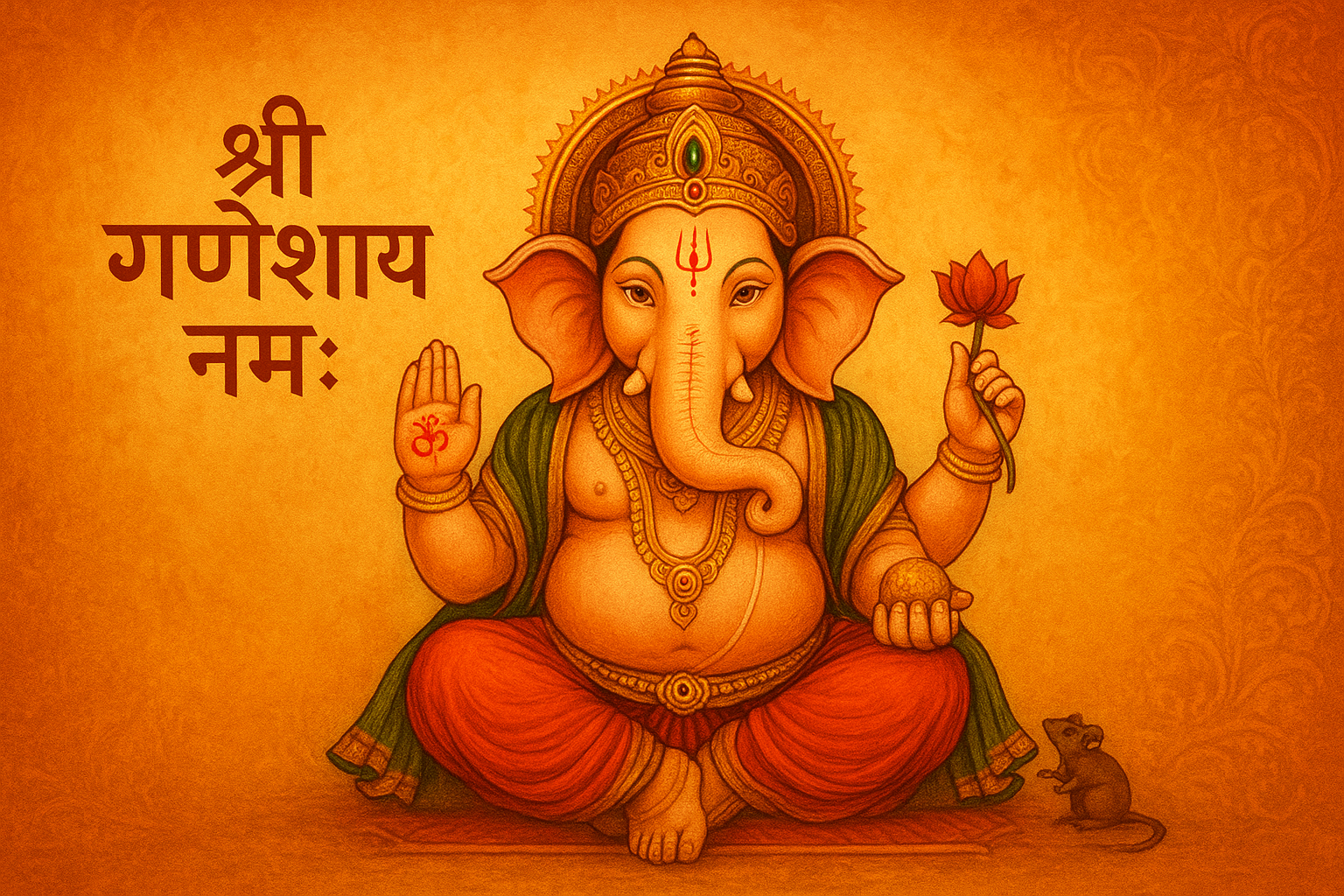
    श्रीगणेशाय नमः।

    Śrī Gaṇeśāya Namaḥ – Salutations to Lord Ganesha.

    Before any yajña, pūjā, marriage, or auspicious ritual, Lord Ganesha is invoked first. This tradition is rooted in the belief that he is the remover of obstacles (Vighnaharta) and ensures smooth beginnings. The Rigveda and Ganesha Atharvashirsha glorify him as the Adi-Pujya Devata, symbolizing the essence of intelligence (buddhi), success (siddhi), and prosperity (sampatti).

    A popular shloka recited before every ritual is:

    वक्रतुण्ड महाकाय सूर्यकोटि समप्रभ।

    निर्विघ्नं कुरु मे देव सर्वकार्येषु सर्वदा॥

    Vakratunda Mahakaya, Suryakoti Samaprabha;

    Nirvighnam Kuru Me Deva, Sarva-Kaaryeshu Sarvada.

    Meaning: O Lord with curved trunk, immense body, and brilliance equal to a million suns, please remove obstacles from all my works always.

    Importance of Lord Ganesha in Sanatan Dharma

    Lord Ganesha is not only a deity of auspicious beginnings but also symbolizes deeper philosophical truths:

    • Elephant Head → Wisdom, memory, and intelligence.
    • Large Ears → Ability to listen with patience.
    • Small Eyes → Focus and concentration.
    • Mouse as Vehicle (Mushak) → Humility and control over desires.
    • Broken Tusk (Ekadanta) → Sacrifice and knowledge (he wrote the Mahabharata for Sage Vyasa).

    Thus, Ganesha embodies both the worldly and the spiritual dimensions of life.

    Names of Shri Ganesh and Their Significance

    Lord Ganesha is adored by 108 names, each reflecting his qualities. Some popular ones include:

    • Vighnaharta – Remover of obstacles
    • Lambodara – One with a large belly (symbol of generosity)
    • Ekadanta – One with a single tusk
    • Gajānana – Elephant-faced one
    • Vinayaka – Leader of all
    • Siddhivinayaka – Bestower of success
    • Mangalkarta – The one who brings auspiciousness
    • Ganapati – Lord of all Ganas (celestial beings)

    Devotees often chant the 108 Names of Ganesha (Ganesha Ashtottara Shatanamavali) during daily worship and Ganesh Chaturthi.

    Festivals Associated with Lord Ganesha

    1. Ganesh Chaturthi

    The grandest celebration of Lord Ganesha is Ganesh Chaturthi, also known as Vinayaka Chaturthi. It marks the birth of Lord Ganesha and is observed with immense devotion in Maharashtra, Goa, Karnataka, Gujarat, and across India. Clay idols of Ganesha are installed in homes and public pandals, followed by 10 days of prayers, bhajans, cultural programs, and finally Visarjan (immersion) with chants of “Ganpati Bappa Morya, Pudhchya Varshi Lavkar Ya” (O Lord, come again soon next year).

    2. Sankashti Chaturthi

    Observed every month on the fourth day after the full moon, it is a fast dedicated to Ganesha, believed to remove difficulties.

    3. Diwali’s First Day (Vagh Baras)

    In many regions, Lord Ganesha is worshiped alongside Goddess Lakshmi to bless households with wealth and wisdom.

    Maharashtra Ganesh Mahotsav – A Cultural Movement

    The modern form of public Ganesh festival was popularized by Lokmanya Bal Gangadhar Tilak in 1893 to unite Indians during the freedom struggle. What started as a socio-religious movement has today become a cultural phenomenon.

    • Mumbai’s Lalbaugcha Raja draws millions of devotees every year.
    • Pune’s Dagadusheth Halwai Ganapati is world-famous for its grandeur.
    • The festival blends spirituality with music, dance, social awareness campaigns, and community unity.

    Ganesh Utsav Beyond Maharashtra

    • In South India (Tamil Nadu, Andhra Pradesh, Karnataka) – Known as Vinayaka Chaturthi, celebrated with modak, kudumulu, and kozhukattai offerings.
    • In Odisha – Observed as Ganesh Puja in schools and colleges for knowledge and wisdom.
    • In West Bengal – Though overshadowed by Durga Puja, Ganesha is worshipped as the son of Durga.
    • In Nepal – Ganesha is revered as an integral part of both Hindu and Buddhist traditions.
    • Global Celebrations – From USA, UK, Canada, Mauritius, Singapore, to Dubai, Indian diaspora keeps the spirit of Ganesh Chaturthi alive, turning it into an international cultural festival.

    Lord Ganesha in the World of Spirituality and Yoga

    Ganesha is also associated with mantras and meditation practices. The Ganesha Mantra is widely recited for peace and prosperity:

    गं गणपतये नमः।

    Om Gam Ganapataye Namah – Salutations to Lord Ganesha, remover of obstacles.

    This bija-mantra is believed to awaken positivity, courage, and clarity of thought.

    Conclusion

    Shri Ganesh Bhagwan is not just a deity but a universal symbol of wisdom, strength, and auspicious beginnings. From the lanes of Maharashtra to temples in Nepal and from Indian households to diaspora communities worldwide, Ganpati Bappa continues to inspire devotion and unity.

    Invoking him before every new task reflects our deep-rooted belief in starting life’s journeys with clarity and blessings. Truly, Lord Ganesha is not just a god — he is the eternal Vighnaharta and Siddhivinayaka, guiding humanity toward success and happiness.

    सिद्धिविनायकं देवं सर्वकार्यार्थसिद्धये।

    सर्वविघ्नहरं नित्यं वन्देऽहं गणनायकम्॥

  • Digital Wellness: Finding Balance in a Hyperconnected World

    Digital Wellness: Finding Balance in a Hyperconnected World

    Introduction

    We live in a time where our phones wake us up, laptops run our workday, and social media fills our free hours. Technology makes life easier, but it also makes our minds busier. Many people feel constantly “switched on,” overwhelmed by notifications, endless scrolling, and screen fatigue.

    This is where the idea of digital wellness comes in. It’s not about rejecting technology—it’s about learning how to use it mindfully so that it improves, rather than harms, our well-being.

    1. Why Digital Wellness Matters

    The average person spends more than 6–7 hours daily on screens—that’s nearly half our waking life. While technology helps us stay connected, too much screen time can:

    • Disrupt sleep patterns.
    • Increase stress and anxiety.
    • Reduce focus and productivity.
    • Affect posture, eyesight, and overall health.

    Just like physical exercise strengthens our body, digital wellness practices strengthen our relationship with technology.

    2. Signs You Need a Digital Reset

    It might be time to rethink your screen habits if you notice:

    • Reaching for your phone the moment you wake up.
    • Feeling restless without checking notifications.
    • Mindlessly scrolling late into the night.
    • Reduced face-to-face conversations with loved ones.
    • Difficulty focusing on one task without digital distractions.

    These are small signals that technology may be controlling you, rather than the other way around.

    3. Practical Ways to Build Digital Wellness

    Digital wellness isn’t about giving up gadgets—it’s about smarter use. Here are some simple tips:

    • Set screen time limits: Use apps to track and reduce daily usage.
    • Tech-free mornings and nights: Start and end your day without screens.
    • Digital detox hours: Pick at least 1–2 hours daily to be offline.
    • Curate your feed: Follow accounts that inspire, unfollow those that drain.
    • Prioritize face-to-face interactions: Real conversations are more nourishing than likes and comments.

    4. Digital Wellness at Work

    Remote work and constant emails can blur the line between office and home. To maintain balance:

    • Avoid back-to-back video calls.
    • Take short screen breaks every hour.
    • Use “Do Not Disturb” settings during deep work.
    • Communicate clear online-offline boundaries with colleagues.

    Your mind works better when it gets time to rest and reset.

    5. The Future of Digital Wellness

    As awareness grows, digital wellness is becoming a global movement. From apps that monitor screen use to companies offering wellness days and mindfulness workshops, the focus is shifting to healthier tech habits.

    The future of wellness won’t be about rejecting technology—it will be about designing technology that respects human limits and helps us live healthier lives.

    Conclusion

    Technology is a powerful tool, but like any tool, it must be used wisely. Practicing digital wellness means learning when to log in and when to log out. It’s about finding space for real conversations, nature, rest, and creativity.

    In a world where everything is online, the true luxury might just be disconnecting to reconnect—with ourselves and with life.

  • Wealth Wisdom: Simple Lessons for a Richer, Happier Life

    Wealth Wisdom: Simple Lessons for a Richer, Happier Life

    Introduction

    When we hear the word wealth, the first thing that comes to mind is money. But ask anyone who has spent years chasing riches, and they will tell you—true wealth is much more than a big bank balance. It is about security, freedom, peace of mind, and the joy of living life on your own terms.

    Our ancestors understood this long before modern financial systems existed. From scriptures and philosophy to age-old household lessons, wisdom about managing wealth has always been part of human life. Today, when the world is moving faster than ever, those lessons feel even more relevant. Let’s explore what wealth wisdom really means—and how we can apply it to live better, not just richer.

    1. What the Ancients Taught Us

    If you look back, every culture had its own wealth lessons.

    • In India, Chanakya’s Arthashastra spoke about saving, investing, and planning for the future.
    • In the West, Stoic philosophers reminded people that happiness lies in contentment, not endless desire.
    • Our grandparents too believed in simple living, saving for rainy days, and never spending more than what you earn.

    The common thread? Wealth is not just about making money, but also about managing it wisely.

    2. Rethinking Wealth Today

    In modern times, wealth is more than cash or property. It has many layers:

    • Money: The savings and investments that secure your future.
    • Knowledge & Skills: What you know can open more doors than what you own.
    • Relationships: Family, friends, and trust are a form of wealth no money can buy.
    • Time & Freedom: The ability to do what you love, when you want.

    When you think of wealth this way, it’s clear that a “rich” life is about balance, not just numbers.

    3. Mindset Matters More Than Money

    Why do some people grow wealth steadily while others always feel short? The answer often lies in how we think about money.

    • People with a scarcity mindset fear losing money and play too safe.
    • People with an abundance mindset see opportunities, take calculated risks, and keep growing.
    • The ability to wait—to save today for something bigger tomorrow—is one of the most powerful habits in wealth building.

    The richest people aren’t necessarily the ones who earn the most, but those who know how to handle what they earn.

    4. Simple Habits to Build Wealth

    You don’t need to be a financial expert to start building wealth. A few simple habits go a long way:

    • Save First, Spend Later: Set aside a part of your income before you spend on anything else.
    • Invest Early: Even small amounts grow over time thanks to compounding.
    • Diversify: Don’t depend on just one source of income or one type of investment.
    • Keep Learning: Upgrade your skills—your earning ability is your biggest asset.

    Think of wealth like a tree. Savings are the roots, investments are the branches, and knowledge is the sunlight helping it grow.

    5. Protect What You Build

    It’s not enough to just earn money—you also need to protect it.

    • Have a safety net: insurance, emergency funds, and basic health cover.
    • Plan for the future: make a will, avoid unnecessary debt, and think about the next generation.
    • Don’t fall for lifestyle inflation—more income doesn’t mean more spending.

    Wealth takes years to build but can disappear in months without protection.

    6. Wealth with Purpose

    The greatest wisdom about wealth is this: Money is a tool, not the final goal.

    True wealth means being able to:

    • Support your family.
    • Give your children a secure future.
    • Contribute to your community.
    • Live with dignity and peace.

    As Warren Buffett said, “If you’re in the luckiest 1% of humanity, you owe it to the rest of humanity to think about the other 99%.”

    7. The Future of Wealth

    The way we handle money is changing fast:

    • Digital money and investments like crypto and online trading are becoming mainstream.
    • Green wealth—investing in eco-friendly businesses—is on the rise.
    • Financial apps make saving and investing easier than ever.

    While the tools may change, the wisdom remains the same: earn honestly, spend wisely, save consistently, and invest patiently.

    Conclusion

    At its heart, wealth wisdom is simple: Live within your means, grow your resources, and use them with purpose. A truly wealthy person is not just someone with money, but someone who has freedom, peace of mind, strong relationships, and the ability to make a difference.

    True prosperity is not about having more, but about living better.

  • How to Make Bihar a Developed State: Framework, Policies, Programmes, and Priorities

    How to Make Bihar a Developed State: Framework, Policies, Programmes, and Priorities

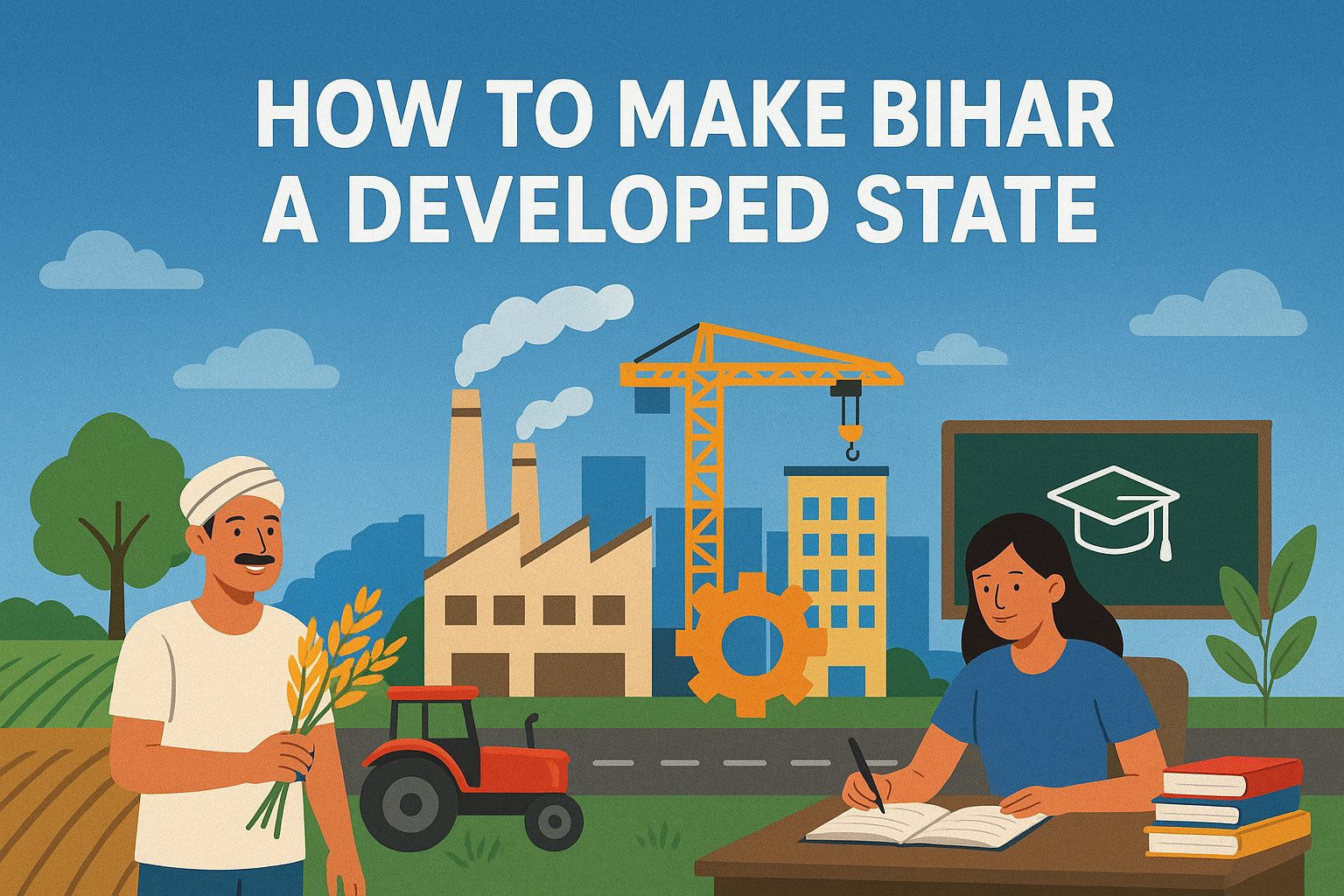
    Bihar, a land of rich culture, history, and fertile soil, has often been described as a state of paradoxes. On one hand, it was the cradle of ancient civilizations and learning hubs like Nalanda and Vikramshila; on the other, it faces persistent challenges in poverty, unemployment, infrastructure, and migration. The key question today is: How can Bihar become a developed state?

    The answer lies in a well-structured framework of reforms, policies, programmes, and priorities that align with the aspirations of its 125+ million (12.5 Crore+) people.

    The Framework for Development

    1. Vision-Oriented Governance
      • A 20-year long-term vision plan with measurable milestones.
      • Transparent, accountable, and participatory governance.
      • Decentralization of decision-making to Panchayats and Urban Local Bodies.
    2. Inclusive Growth Model
      • Focus on agriculture as the backbone.
      • Industrialization supported by MSMEs and startups.
      • Balanced regional development between rural and urban areas.
    3. Human Development Focus
      • High-quality education, healthcare, and skill training.
      • Social welfare schemes targeting women, youth, and marginalized groups.

    Policy Priorities

    1. Education and Skill Development

    • Revamp school infrastructure and teacher training.
    • Establish new universities and research hubs, reviving the legacy of Nalanda.
    • Align skill development programmes with industry demands—IT, AI, renewable energy, manufacturing.
    • Incentivize private institutions and EdTech to partner with government schools.

    2. Agriculture and Rural Economy

    • Invest in irrigation, cold storage, and agro-processing units.
    • Promote organic farming and cash crops (makhana, maize, litchi, vegetables).
    • Strengthen Farmer Producer Organizations (FPOs).
    • Digitize agriculture for better market linkages.

    3. Industrialization and Job Creation

    • Develop industrial corridors along NHs and freight corridors.
    • Prioritize textile, leather, food processing, and renewable energy sectors.
    • Establish Special Economic Zones (SEZs).
    • Ease of Doing Business reforms for startups and investors.

    4. Infrastructure Development

    • Expand road, rail, and air connectivity.
    • Invest in smart cities and digital infrastructure.
    • Strengthen flood management systems for disaster resilience.
    • Promote renewable energy to ensure 24×7 electricity.

    5. Healthcare and Social Development

    • Build medical colleges and district hospitals with advanced facilities.
    • Train more doctors, nurses, and paramedics.
    • Universal health insurance coverage for the poor.
    • Nutritional security programmes for children and women.

    Programmes and Schemes for Bihar’s Transformation

    1. “Skill Bihar Mission” – Skill-based vocational training for 10 million youth in 10 years.
    2. “Bihar Industrial Growth Fund” – State-supported credit and venture capital for MSMEs.
    3. “Agri-Tech Bihar” – Smart farming, irrigation, and e-marketplace integration.
    4. “Nalanda Knowledge City” – World-class university hub for global students and research.
    5. “Digital Bihar 2030” – Broadband connectivity in every village.
    6. “Healthcare for All” – Primary Health Centre (PHC) upgradation and AI-based telemedicine.
    7. “Green Bihar Movement” – Climate resilience, afforestation, and renewable energy expansion.

    Challenges to Overcome

    1. Unemployment and Migration – Large-scale outmigration of youth for jobs.
    2. Law and Order Concerns – Need for improved policing, judicial efficiency, and safety.
    3. Floods and Disasters – Frequent floods in North Bihar cause economic losses.
    4. Political Will and Continuity – Policies often get disrupted with political transitions.
    5. Brain Drain – Educated youth leaving for better opportunities in metro cities.
    6. Financial Constraints – Dependence on central funds limits independent action.

    The Path Forward

    • Public-Private Partnership (PPP): Encourage private investment in education, healthcare, and infrastructure.
    • Empowered Local Governance: Strengthen Panchayats and municipalities for decentralized growth.
    • Technology Integration: AI, IoT, and digital governance for transparency and efficiency.
    • Youth as Agents of Change: Engage young population in entrepreneurship, innovation, and civic participation.
    • Sustainable Development: Climate-smart agriculture, renewable energy, and eco-tourism.

    Conclusion

    The journey to transform Bihar into a developed state requires visionary leadership, robust policies, innovative programmes, and people’s participation. By prioritizing education, skill development, agriculture modernization, industrialization, healthcare, and infrastructure, Bihar can leverage its demographic dividend and historical strengths.

    If Bihar adopts a clear roadmap with accountability and inclusiveness, it has the potential not only to catch up with developed states but also to set an example of sustainable and inclusive growth for India.

  • How AI can Help India overtake USA and China in the Tech Race

    How AI can Help India overtake USA and China in the Tech Race

    Introduction

    India stands at a historic crossroads. Just as the country transformed into the software service capital of the world in the 1990s and early 2000s—fueling Silicon Valley with its IT talent—today, it has the opportunity to ride the Artificial Intelligence (AI) revolution.

    With the world’s largest young workforce, a booming digital economy, and a fast-expanding startup ecosystem, India has all the ingredients to become an AI powerhouse. Yet, unlike the USA and China, we still lag behind in critical areas like AI research, advanced computing hardware, and global product innovation.

    The big question is: Can India seize this moment, leverage AI to maximize its demographic dividend, and emerge as a world leader in technology? Let’s explore.

    Why AI Revolution Is the Need of the Hour for India

    1. Harnessing the Demographic Dividend

    India’s population is young—over 65% under the age of 35. But without meaningful employment and skill utilization, this dividend risks becoming a burden. AI offers opportunities across sectors: healthcare, education, agriculture, manufacturing, logistics, and governance.

    2. Catching Up with the Global AI Race

    • USA dominates AI with Big Tech companies like Google, Microsoft, OpenAI, and Nvidia leading the ecosystem.
    • China has made AI a national priority, investing heavily in semiconductors, surveillance tech, and AI research.
    • India is currently a consumer of AI, not yet a creator at scale. To catch up—or even surpass—India must innovate, not just serve.

    3. Driving Economic Growth

    According to PwC, AI could contribute $15.7 trillion to the global economy by 2030. For India, even a fraction of this could mean trillions in GDP gains, new jobs, and global influence.

    India’s Current AI Landscape: Achievements and Gaps

    Achievements

    • Digital Public Infrastructure (DPI): Aadhaar, UPI, ONDC—world-class platforms proving India can innovate at scale.
    • AI for Good: Startups working in AgriTech, HealthTech, and EdTech using AI for rural transformation.
    • Talent Pool: India produces 1.5M+ engineers annually, many working in AI labs globally.

    Gaps

    1. Infrastructure Deficit
      • No indigenous GPU manufacturing (Nvidia, AMD dominate globally).
      • Limited supercomputing clusters for AI training.
    2. Budget Constraints
      • USA & China invest tens of billions annually in AI R&D.
      • India’s AI allocation is only a fraction of this, spread across ministries and schemes.
    3. Research Orientation
      • Few dedicated AI research institutes.
      • Weak collaboration between academia, industry, and government.
    4. Industry Gap
      • No global AI hardware or software giants (like Nvidia, OpenAI, or DeepMind).
      • Indian startups often focus on service or applied AI, not foundational research.
    5. Policy & Execution
      • AI strategies exist but execution is fragmented.
      • Regulatory uncertainty slows innovation.

    Why India Has No Nvidia or OpenAI Yet

    • Capital and Risk Appetite: India’s ecosystem is service-driven; Venture capitalist (VCs) prefer proven models (FinTech, SaaS) over deeptech risk.
    • Hardware Weakness: Chipmaking requires massive capital, ecosystem depth, and government support—still lacking.
    • Brain Drain: India’s best AI talent often migrates to US universities and companies due to better funding and opportunities.
    • Short-Term Vision: Focus remains on IT services and BPO exports, not moonshot AI research.

    What India Needs to Do: Roadmap to Global AI Leadership

    1. Infrastructure Investment

    • Establish AI Supercomputing Hubs across India.
    • Invest in semiconductor fabs, GPU alternatives, and quantum computing.
    • Encourage Public-Private Partnerships for R&D labs.

    2. Massive AI Budget

    • Dedicate $10–15 billion annually for AI research, similar to what India did for space (ISRO) and digital public goods (UPI).
    • Offer tax incentives and grants for AI startups working on foundational models.

    3. Human Capital Development

    • Scale up AI & ML education through IITs, IIITs, Govt. and private universities.
    • Create National AI Fellowships to retain top talent.
    • Promote reskilling programs to equip the existing workforce with AI-ready skills.

    4. Build AI Champions

    • Support Indian equivalents of Nvidia, OpenAI, or DeepMind through strategic funding.
    • Encourage AI hardware startups with Make in India incentives.
    • Foster industry-academia collaboration like Stanford–Google or MIT–OpenAI ecosystems.

    5. Policy & Willpower

    • Clear AI regulatory framework encouraging innovation while ensuring ethics.
    • Appoint a National AI Mission Authority to coordinate all efforts.
    • Treat AI like a national priority—as vital as defence and space.

    Lessons from India’s IT Revolution

    In the 1990s, India became the backbone of Silicon Valley by supplying software engineers and IT services. That success story was built on talent, cost advantage, and government support for IT parks and exports.

    Similarly, if India wants to lead in AI:

    • It must go beyond being the world’s coding hub.
    • Instead, India must create AI-first products, hardware, and platforms for the world.

    Best Solutions to Overcome Challenges

    1. National AI Research Grid – A shared infrastructure of GPUs and compute resources accessible to universities and startups.
    2. India AI Fund – A sovereign fund to finance high-risk, high-reward AI research.
    3. Reverse Brain Drain Programs – Incentives for Indian AI scientists abroad to return and set up labs in India.
    4. AI Innovation Clusters – City-level hubs (like Bengaluru, Hyderabad, Pune) with dedicated AI infrastructure.
    5. Global Partnerships – Collaborations with US, EU, Japan for chip manufacturing and AI co-development.

    Conclusion: India’s AI Destiny

    India has missed some technological revolutions in the past—but AI is one it cannot afford to miss. With its talent advantage, digital public infrastructure, and entrepreneurial spirit, India can not only catch up with the USA and China but also define a unique AI model for the world: one focused on inclusion, accessibility, and societal good.

    The only missing ingredients are vision, scale, and willpower. If India acts decisively today—investing in infrastructure, fostering research, and building AI champions—it can replicate its IT success and even surpass it.

    The AI revolution is not just about technology. For India, it’s about shaping the future of its youth, economy, and global leadership. The time to act is now.

  • Going Offline in 2025: Why ‘Dumb Phones’ and Digital Detox are the New Wellness Essentials

    Going Offline in 2025: Why ‘Dumb Phones’ and Digital Detox are the New Wellness Essentials

    Introduction

    In a hyper-connected world where every buzz, ping, and notification demands our attention, the boldest act of rebellion in 2025 is surprisingly simple: going offline. From celebrities like Ed Sheeran and Kate Beckinsale switching to old-school flip phones, to young professionals signing up for “screen-free retreats,” offline living is no longer nostalgia—it’s a full-blown wellness trend.

    Mental health experts are warning that excessive screen time is fueling anxiety, poor sleep, and even lower self-esteem across generations. As the digital noise grows louder, many are choosing to step back—embracing dumb phones, journaling, and real-world connections. This blog explores why unplugging is the new self-care, the benefits it brings, and how you can start your own offline journey in 2025.

    Why Going Offline Hits Different in 2025

    Digital detox is not a new concept, but its urgency in 2025 is unprecedented. With work, entertainment, and even social interactions glued to screens, the average person spends 7+ hours a day online. Doctors warn this is directly linked to:

    • Higher levels of stress and anxiety
    • Sleep disorders caused by blue light exposure
    • Declining focus and attention spans
    • Feelings of loneliness despite constant connectivity

    The offline movement is about reclaiming control—choosing when and how technology enters our lives, instead of being at its mercy.

    Benefits of Disconnecting

    Switching off—even for a few hours a day—has significant mind-body benefits:

    • Improved sleep: Logging off before bed helps restore natural circadian rhythms.
    • Lower stress: Disconnecting reduces mental fatigue and sensory overload.
    • Better focus & productivity: Less scrolling means more time for meaningful work.
    • Deeper relationships: Offline moments encourage genuine, face-to-face connections.
    • Mental clarity: Screen-free time fosters creativity and mindful reflection.

    Experts recommend introducing small offline rituals like screen-free meals or device-free commutes to experience these benefits without drastic lifestyle shifts.

    How to Start Your Offline Wellness Journey

    Going offline doesn’t mean becoming a hermit. It’s about balance. Here are some practical ways to begin:

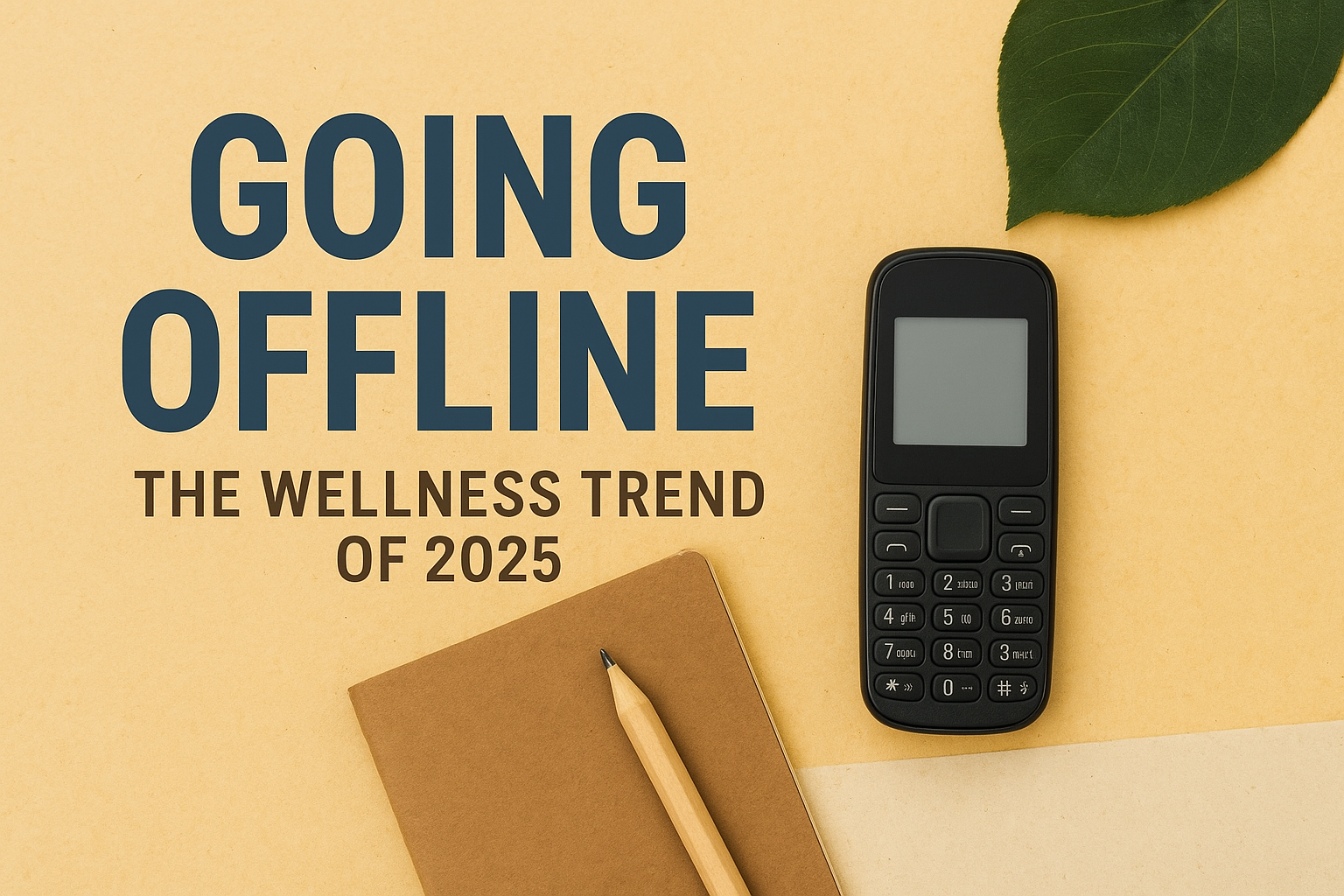
    • Swap your smartphone for a dumb phone (or use both). Dumb phones allow calls and texts but eliminate constant notifications and app addiction.
    • Schedule screen-free blocks: Start with 30 minutes daily—at meals, before bed, or during morning routines.
    • Try analog hobbies: Journaling, sketching, gardening, or reading printed books.
    • Reclaim weekends: Dedicate one day (or evening) a week to offline activities like hiking, board games, or cooking with family.
    • Digital-free social gatherings: Encourage friends to leave phones in a basket at meetups.

    Spotlight: Dumb Phones—Minimalism Meets Wellness

    Once dismissed as outdated, dumb phones are making a comeback. These minimalist devices offer calling, texting, and sometimes basic maps or music—without addictive social media apps.

    Why people love them:

    • Reduce distraction and dopamine-driven scrolling.
    • Improve focus and intentional communication.
    • Offer a sense of freedom: no buzzing notifications, no endless feeds.

    Even tech enthusiasts are adopting dumb phones as a “second phone”—keeping one for work, and one for personal peace of mind.

    Common Concerns (and Solutions)

    • “I’ll miss urgent messages” → Use dual setups: keep a smartphone at home for work apps, and carry a dumb phone on weekends.
    • “What about emergencies?” → Dumb phones still allow calls and SMS, ensuring safety.
    • “I need my calendar & maps” → Many dumb phones now come with basic utilities, or use a hybrid setup (smartphone in airplane mode).
    • “Will I lose touch with friends?” → Going offline isn’t isolation—it’s about intentional connection on your terms.

    FAQs

    Q1. What is a dumb phone and why are people choosing it?

    A dumb phone is a simple mobile device offering basic functions like calling and texting. People are choosing them to reduce distractions, regain focus, and support mental well-being.

    Q2. How does digital detox improve mental health?

    Digital detox reduces exposure to constant stimuli, helping to lower stress, improve sleep, and restore attention spans.

    Q3. Can I realistically use a dumb phone in 2025?

    Yes—many users carry dumb phones as primary or secondary devices. With growing popularity, manufacturers now design sleek, modern versions that balance minimalism and functionality.

    Q4. How long before I see benefits of going offline?

    Even a week of reduced screen time can improve sleep and focus. Long-term habits amplify benefits, creating sustainable lifestyle change.

    Final Thoughts

    In 2025, going offline is more than nostalgia—it’s a wellness revolution. From dumb phones to screen-free weekends, millions are discovering that less tech often means more life.

    If you feel drained by constant scrolling, maybe it’s time to try a small detox. Start with one screen-free meal, or experiment with a dumb phone weekend. You might just rediscover mental clarity, stronger relationships, and real freedom.

  • India’s Online Gaming Revolution: What the Online Gaming Act, 2025 Means for You

    India’s Online Gaming Revolution: What the Online Gaming Act, 2025 Means for You

    Introduction: A Game-Changing Move for India’s Digital Future

    India’s online gaming industry has transformed into one of the fastest-growing digital sectors, powered by cheap internet, a young population, and the rise of mobile-first experiences. From fantasy sports to eSports tournaments and casual gaming apps, this sector has not only created entertainment but also new economic opportunities.

    But until recently, the industry was tangled in fragmented state laws, inconsistent rules, and concerns around addiction, betting, and consumer protection.

    The launch of the Promotion and Regulation of Online Gaming Act, 2025 (effective August 21, 2025) changes everything. For the first time, India has a unified national framework to regulate, promote, and safeguard the online gaming ecosystem.

    Why This Act Matters Now

    • Explosive Growth: India is home to over 450 million gamers, making it the world’s second-largest online gaming market.
    • Cultural Shift: Gaming is no longer just fun—it’s part of youth identity, socializing, and even careers.
    • Policy Urgency: Without regulation, risks of unregulated betting, misleading ads, and underage addiction were rising.

    The Act seeks to balance innovation with responsibility, ensuring India becomes a global leader in safe, skill-based gaming.

    Key Features of the Online Gaming Act, 2025

    The law introduces sweeping changes designed to build a transparent, safe, and innovative ecosystem:

    1. National Online Gaming Commission (NOGC)

    • The NOGC is the new regulatory body responsible for licensing and oversight of gaming platforms.
    • It ensures platforms meet safety, transparency, and fairness standards.

    2. Classification of Games

    • Skill-Based (Permissible): Fantasy sports, eSports, competitive strategy games.
    • Chance-Based (Prohibited): Games of pure gambling or betting.
    • Hybrid Games: Evaluated case by case by NOGC.

    3. Consumer Protection

    • Strict age-gating and responsible gaming practices mandated.
    • Influencers and celebrities face penalties if they promote illegal or unlicensed games.
    • Clear disclosures and advertising guidelines introduced.

    4. Accountability for Platforms

    • Licensing is mandatory.
    • Heavy penalties for violations, including platform bans.

    Implications Across Multiple Dimensions

    🔹 Technology & Innovation

    • Encourages development of AI-driven platforms, immersive AR/VR games, and professional eSports leagues.
    • India could position itself as a global gaming innovation hub.

    🔹 Economy & Industry

    • The sector could attract billions in investments thanks to legal clarity.
    • Boosts startups, developers, and global gaming companies entering India.
    • Estimated to add $10 billion to GDP by 2030.

    🔹 Social & Cultural Impact

    • Gaming becomes a mainstream cultural identity, similar to cricket.
    • Regulation ensures games remain healthy, skill-oriented, and family-safe.
    • Tackles addiction, misinformation, and unethical monetization.

    🔹 Legal & Policy Framework

    • Provides uniform rules across states, ending confusion from multiple regulations.
    • Influencers, platforms, and advertisers are now clearly accountable.
    • India joins countries like the US, UK, and South Korea in formalizing gaming policy.

    Opportunities & Challenges Ahead

    Opportunities:

    • Growth of eSports leagues at par with IPL.
    • More secure jobs in game development, streaming, and professional gaming.
    • International partnerships and tournaments.

    Challenges:

    • Balancing innovation with over-regulation.
    • Addressing grey areas in hybrid gaming.
    • Preventing misuse of platforms for illegal betting.

    Conclusion: A New Era for India’s Gamers and Industry

    The Online Gaming Act, 2025 is a watershed moment. It transforms India’s gaming industry from a chaotic, fragmented space into a regulated, investor-friendly, and consumer-safe ecosystem.

    For gamers, it means safer play.

    For businesses, it means clear rules and bigger opportunities.

    For policymakers, it means striking the right balance between growth and responsibility.

    Final Thought: India is not just playing games—it’s shaping the future of the global gaming industry.