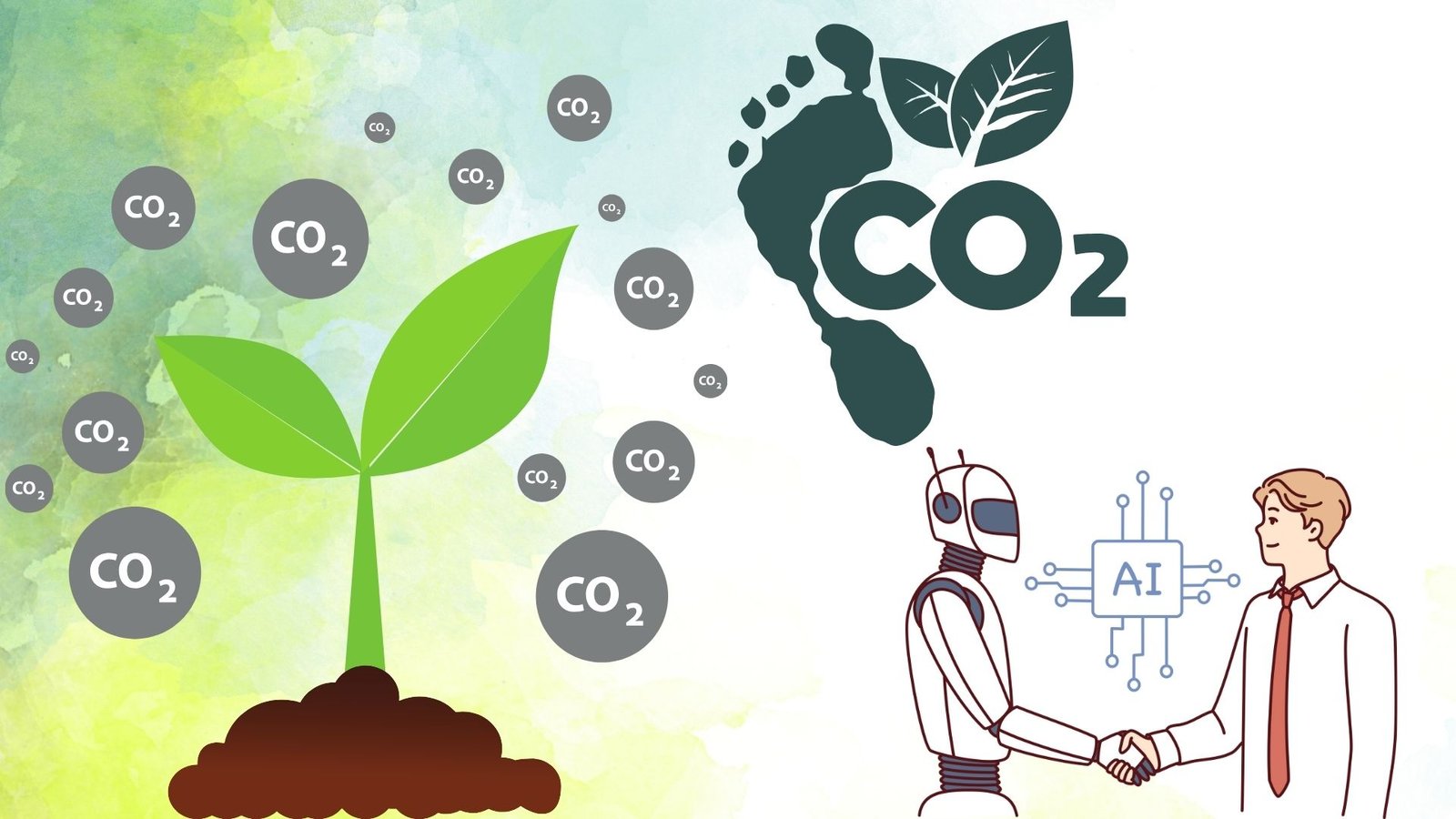
The New Gold Beneath Our Feet
In the race against climate change, one of the most powerful climate solutions doesn’t lie in futuristic machines or faraway labs — it’s right beneath our feet.
Soil, the living skin of our planet, holds more carbon than the atmosphere and vegetation combined. When managed well, it can capture and store massive amounts of CO₂, helping cool the Earth naturally. But to harness this power, we first need to measure it — accurately and affordably. That’s where technology steps in. Across the world, AI-driven apps, satellite mapping tools, and soil sensors are revolutionizing how farmers, researchers, and policymakers track carbon in the ground. These innovations not only make soil carbon measurement easier but also open new doors for carbon credits, sustainable farming, and regenerative agriculture.
Let’s explore some of the most advanced carbon tracking and soil carbon measurement tools worldwide, how they work, and how they’re reshaping the future of climate-smart farming.
Why Soil Carbon Measurement Matters
Soil organic carbon (SOC) is the heartbeat of soil health. It boosts fertility, supports microbial life, and strengthens crops against drought. But its role extends far beyond farming — it’s a critical climate ally. Every ton of carbon stored in the soil means less CO₂ in the atmosphere. Measuring and tracking soil carbon allows farmers to understand how their practices affect both productivity and the planet.
Global Tools and Apps for Soil Carbon Tracking
1. SoilGrids (ISRIC) — Global Digital Soil Maps
What it does:
SoilGrids offers global, high-resolution soil property maps, including organic carbon estimates, built using millions of soil samples and environmental data.
Use for: Establishing baselines, research, and large-scale mapping.
2. Perennial — Registry-Grade Digital Soil Carbon Measurement
What it does:
Perennial uses satellite imagery, machine learning, and targeted ground sampling to measure soil carbon at field scale — precise enough for carbon programs and climate reporting.
Use for: Carbon credit projects, MRV (Measurement, Reporting, Verification).
3. Cool Farm Tool (Cool Farm Alliance) — GHG and Carbon Estimator
What it does:
A globally used calculator that estimates on-farm greenhouse gas emissions and soil carbon changes based on user inputs and management practices.
Use for: Supply-chain sustainability reporting and farm-level GHG audits.
4. COMET-Farm / COMET-Planner (USDA)
What it does:
Developed for U.S. agriculture, this platform estimates GHG and carbon outcomes of various farm management practices, guiding planning and reporting.
Use for: Scenario analysis, carbon sequestration planning.
5. SoilOptix — Ultra-High-Resolution Soil Mapping
What it does:
Using advanced sensors and gamma radiation technology, SoilOptix creates high-resolution soil maps showing nutrient and carbon variability across fields.
Use for: Precision agriculture and targeted soil improvement.
6. Indigo Carbon (Indigo Ag) — Carbon Credits for Farmers
What it does:
Indigo’s Carbon program pays farmers for adopting regenerative practices by measuring, verifying, and monetizing carbon stored in their soil.
Use for: Enrolling farms in verified carbon programs.
7. LandPKS — Mobile Soil Data Collection App
What it does:
LandPKS helps farmers and field agents identify soils, record site data, and estimate productivity and carbon potential using mobile devices.
Use for: On-field data collection and smallholder monitoring.
8. Soilmentor (Vidacycle) — Farmer-Focused Soil Health Tracker
What it does:
This app lets farmers track soil and biodiversity changes, run field tests, and visualize improvements over time — a great fit for regenerative farms.
Use for: Soil health monitoring, team data sharing.
9. Climate FieldView / ForGround by Bayer — Digital Farm Integration
What it does:
Aggregates data from sensors, satellites, and machinery to analyze soil and crop health, while connecting users to Bayer’s carbon farming initiatives.
Use for: Large-scale digital farm management and sustainability programs.
How These Tools Measure Soil Carbon
- Direct Sampling & Lab Analysis: The most accurate but expensive method; used as calibration data.
- Modeling with AI: Combines ground data with satellite and environmental variables for large-scale estimates.
- Spectroscopy Sensors: Fast, non-destructive field tools that estimate soil organic carbon from spectral signatures.
The best solutions often blend all three — ensuring accuracy, affordability, and scalability.
Choosing the Right Tool
Ask yourself:
- Do you want to research, track farm practices, or generate credits?
- Do you need offline or low-cost access (LandPKS, Soilmentor)?
- Do you need registry-level verification (Perennial, Indigo Carbon)?
- Are you mapping large regions or precision zones (SoilGrids vs. SoilOptix)?
The right tool depends on your goal — from simple on-farm monitoring to carbon market participation.
Practical Steps for Farmers & Project Teams
- Establish a baseline: Collect GPS-tagged soil samples using tools like LandPKS or Soilmentor.
- Run digital models: Use platforms like Perennial or COMET-Farm to estimate carbon storage potential.
- Track management changes: Use the Cool Farm Tool to record regenerative practices and predict impact.
- Verify and report: Partner with certified MRV programs if planning to generate carbon credits.
- Stay transparent: Keep detailed records and geo-referenced data for audit readiness.
Limitations and Considerations
- Uncertainty: AI and satellite models still require periodic ground truthing.
- Data access: Some tools are region-specific (e.g., COMET-Farm works mainly in the U.S.).
- Cost and complexity: Verified carbon projects require clear protocols and independent validation.
The Future of Carbon Tracking
The next frontier in agriculture is not about growing more — it’s about growing smarter.
As AI, IoT sensors, and open-source data merge, soil carbon tracking is becoming more democratic and accurate.
Soon, every farmer — from a smallholder in India to a rancher in Brazil — could monitor carbon storage on their phone, helping fight climate change one field at a time.
Leave a Reply