-
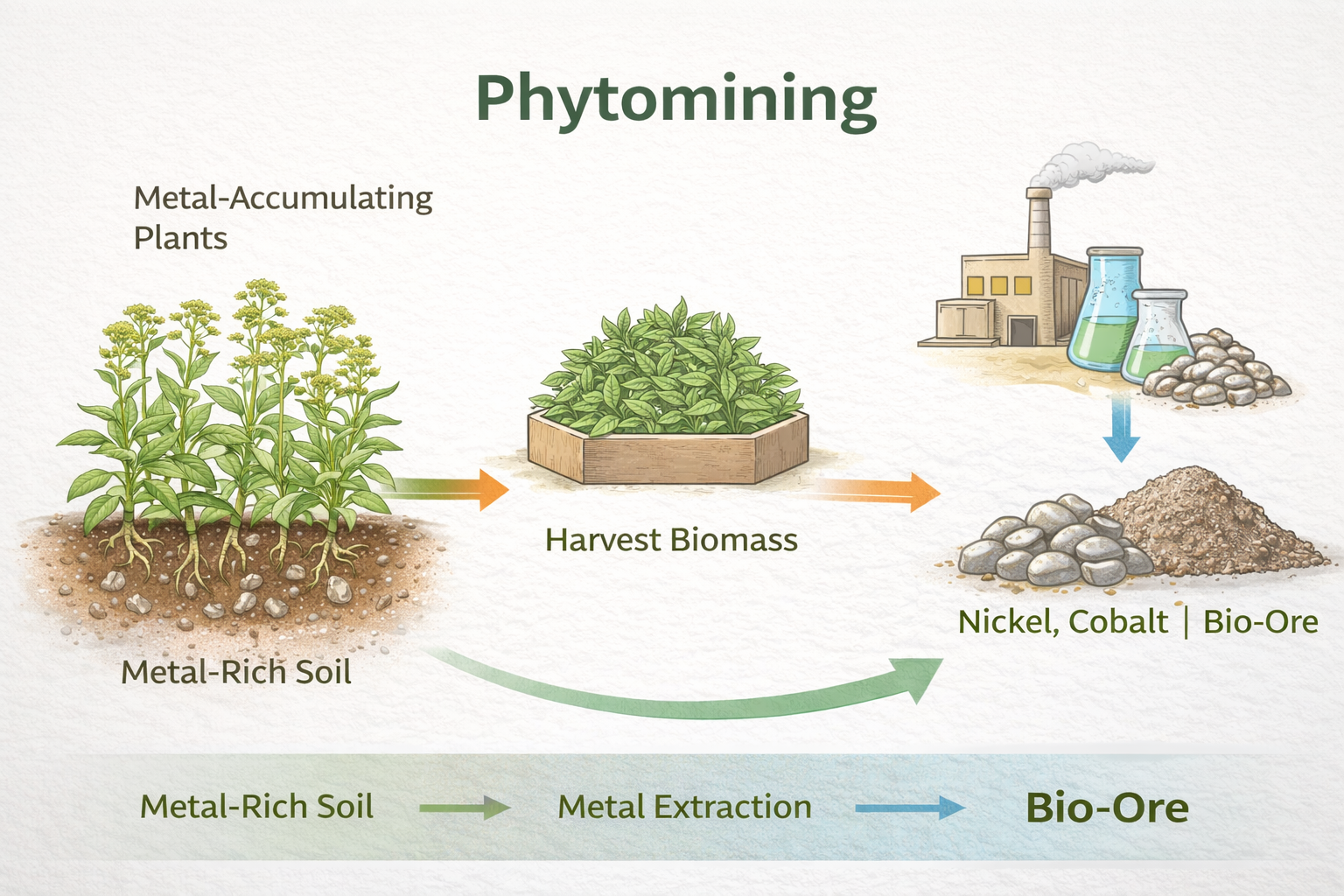
Do you know your chocolate well?
Close your eyes for a second.Imagine the slow melt of chocolate on your tongue… that rich, velvety softness… the faint bitterness that turns sweet just a moment later. Now tell me—when was the last time chocolate didn’t make something better? A bad day? Fixed.A celebration? Elevated.A random Tuesday night? Suddenly meaningful. But here’s something most…
Written by
-
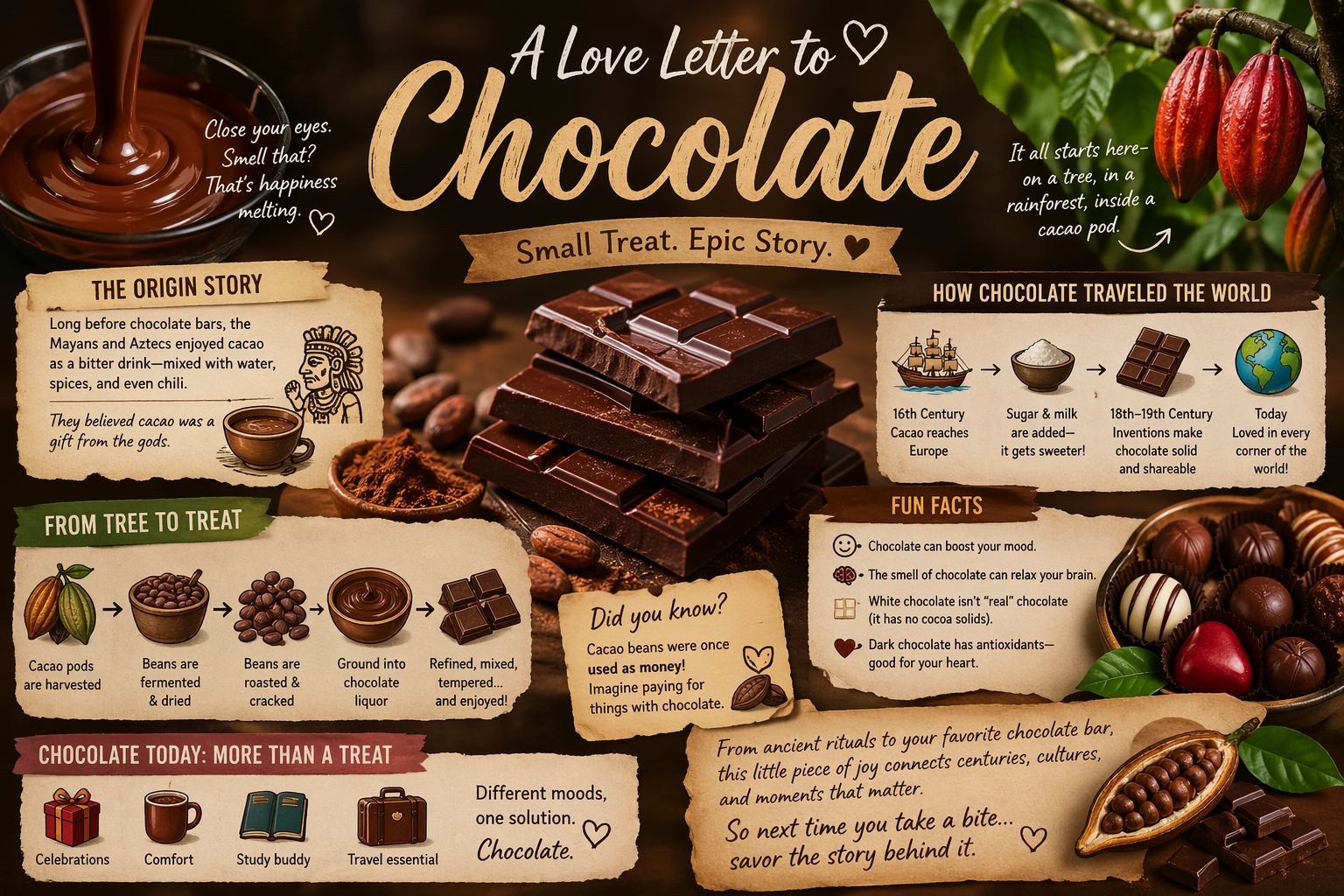
Vanishing Voices of the Wild: Animals We May Lose Forever
Endangered animals are vanishing fast due to climate change and human impact. Discover species at risk and why wildlife conservation matters now.
Written by
-
World Health Day:Health Comes First
When was the last time you truly paused and asked yourself, “Am I taking care of my health?” Not just avoiding illness—but actually feeling good, energized, and mentally at peace? Every year on April 7, the world comes together to celebrate World Health Day, an initiative led by the World Health Organization—and honestly, it’s more…
Written by
-
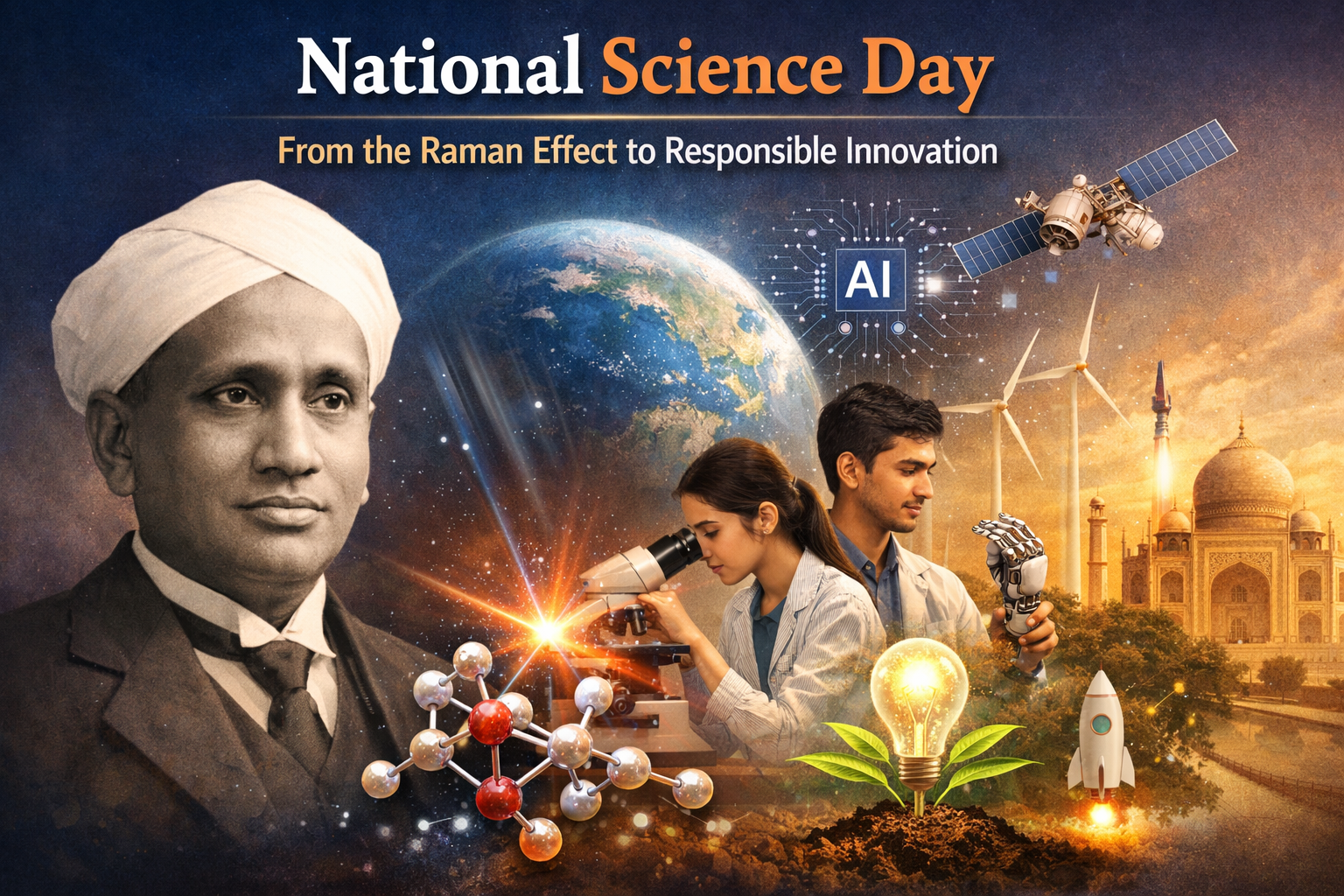
Beyond the Lab: Rethinking Science in Modern India
Most of us begin our mornings without thinking about science. We tap our phones to check messages. We switch on a light. We trust that clean water will flow from the tap. Even the simple act of brewing tea relies on centuries of accumulated knowledge — heat transfer, material science, chemistry — quietly working in…
Written by
-
The Unspoken Side of Research Life
Before You Call Yourself a Researcher Most people enter research with a quiet moment of certainty. A question that wouldn’t leave you alone. A paper that made you think, I want to do this. Or simply the sense that learning existing knowledge was no longer enough—you wanted to contribute to it. But somewhere between that…
Written by
-
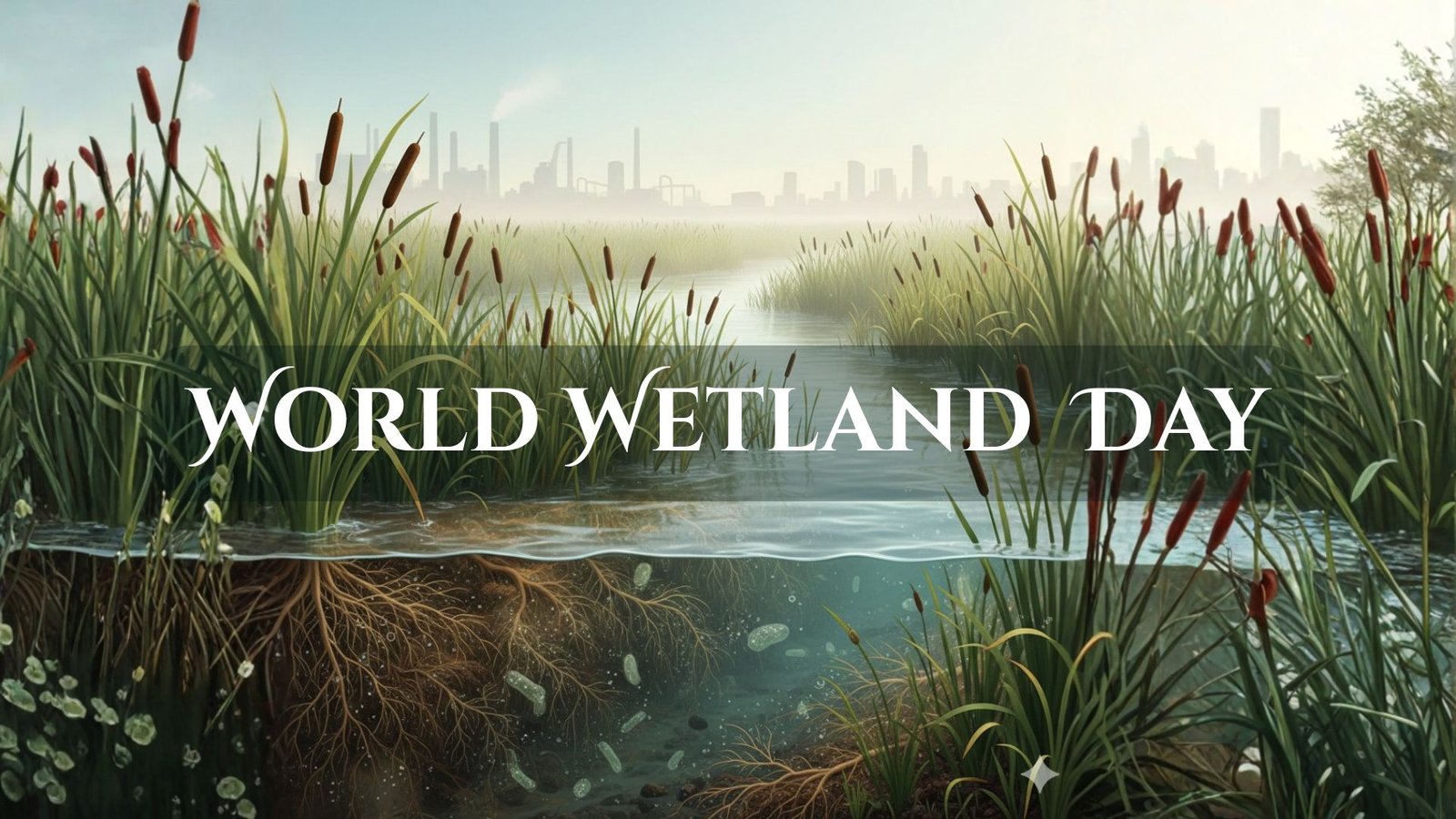
From Research to Practice: Phytoremediation in Wetland Water Treatment
Stand at the edge of a wetland for a moment and watch it closely. Water moves slowly, plants bend and recover, sediments settle, insects skim the surface. This is not a passive landscape. It is a working system, constantly processing what flows through it. For centuries, wetlands have filtered water, stored carbon, and softened floods.…
Written by
-
Can a Lab-Scale Innovation Be Patented? The MVP Dilemma
What founders, researchers, and innovators in biotech and environmental science really need to know A familiar dilemma Imagine this. You’ve built a lab-scale biochip that can detect a single water contaminant in minutes. It works. Early users are excited. A potential collaborator asks a dangerous-sounding question: “Have you patented this yet?” You freeze. It’s not…
Written by
-
From Lab to Land: Why Technology Transfer of Environmental Technologies Matters More Than Ever
Every year, the world produces groundbreaking research on climate change mitigation, clean energy, water purification, waste reduction, and biodiversity conservation. Yet, rivers remain polluted, landfills grow, carbon emissions rise, and communities struggle with water scarcity. The uncomfortable truth is this: innovation alone does not solve environmental problems—deployment does. This is where technology transfer of environmental…
Written by
-
Why does Intellectual Property Awareness Matter for Researchers?
Let’s start with an honest thought Most researchers don’t wake up thinking about patents or copyrights. You’re thinking about experiments, deadlines, publications, and maybe—just maybe—getting one good result after months of work. Intellectual Property Rights (IPR) often feel distant, legal, and irrelevant to “pure” research. But here’s the truth many learn too late:A brilliant idea…
Written by
-
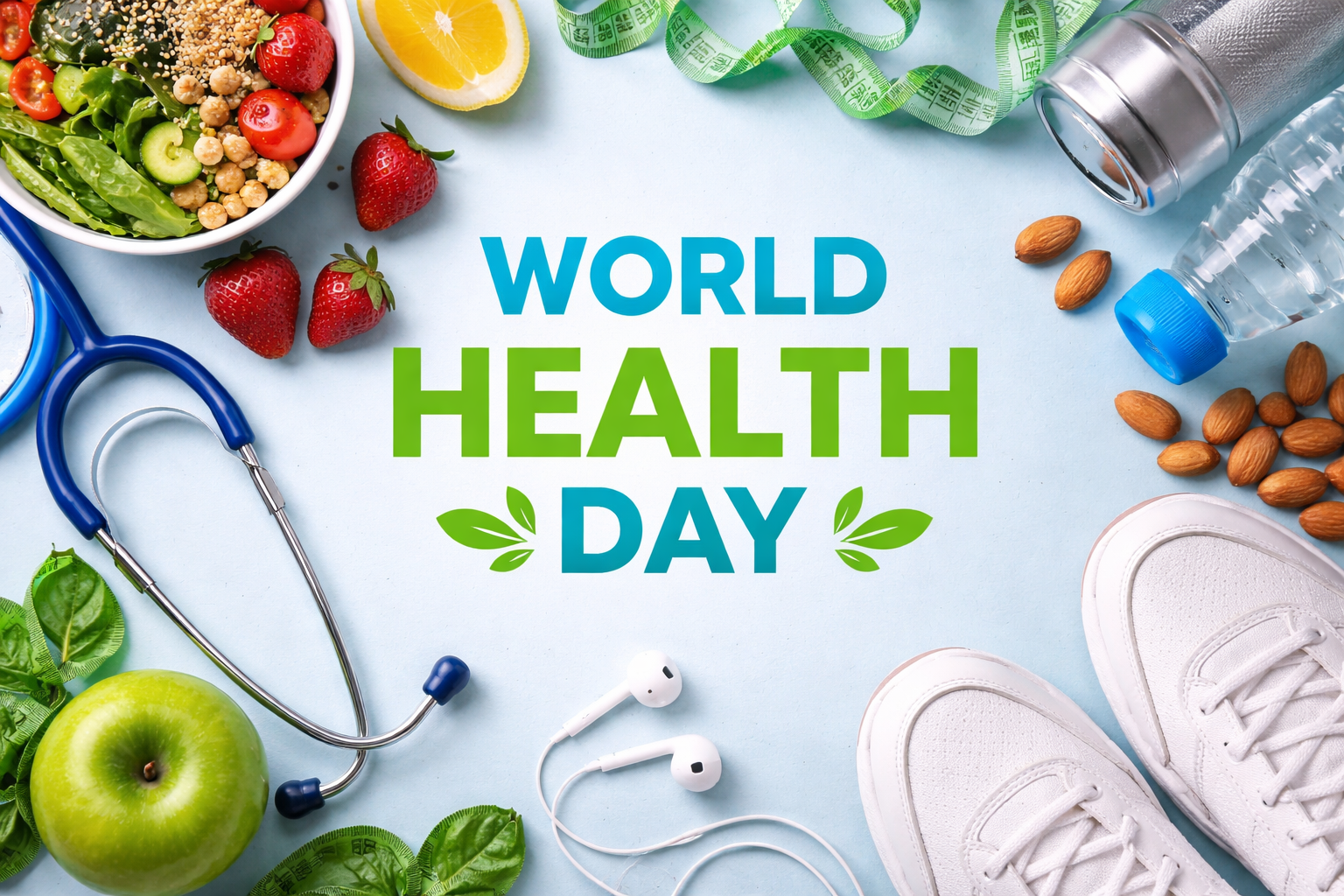
Phytomining: Can Plants Really Help Us Mine Metals More Gently?
If you’ve ever stood near an abandoned mine—or even just seen photos of one—you know the feeling. Bare earth. Rust-colored water. A sense that something valuable was taken, and something fragile was left behind. It raises a quiet but uncomfortable question: do we really need to keep digging the Earth deeper to meet our growing…
Written by