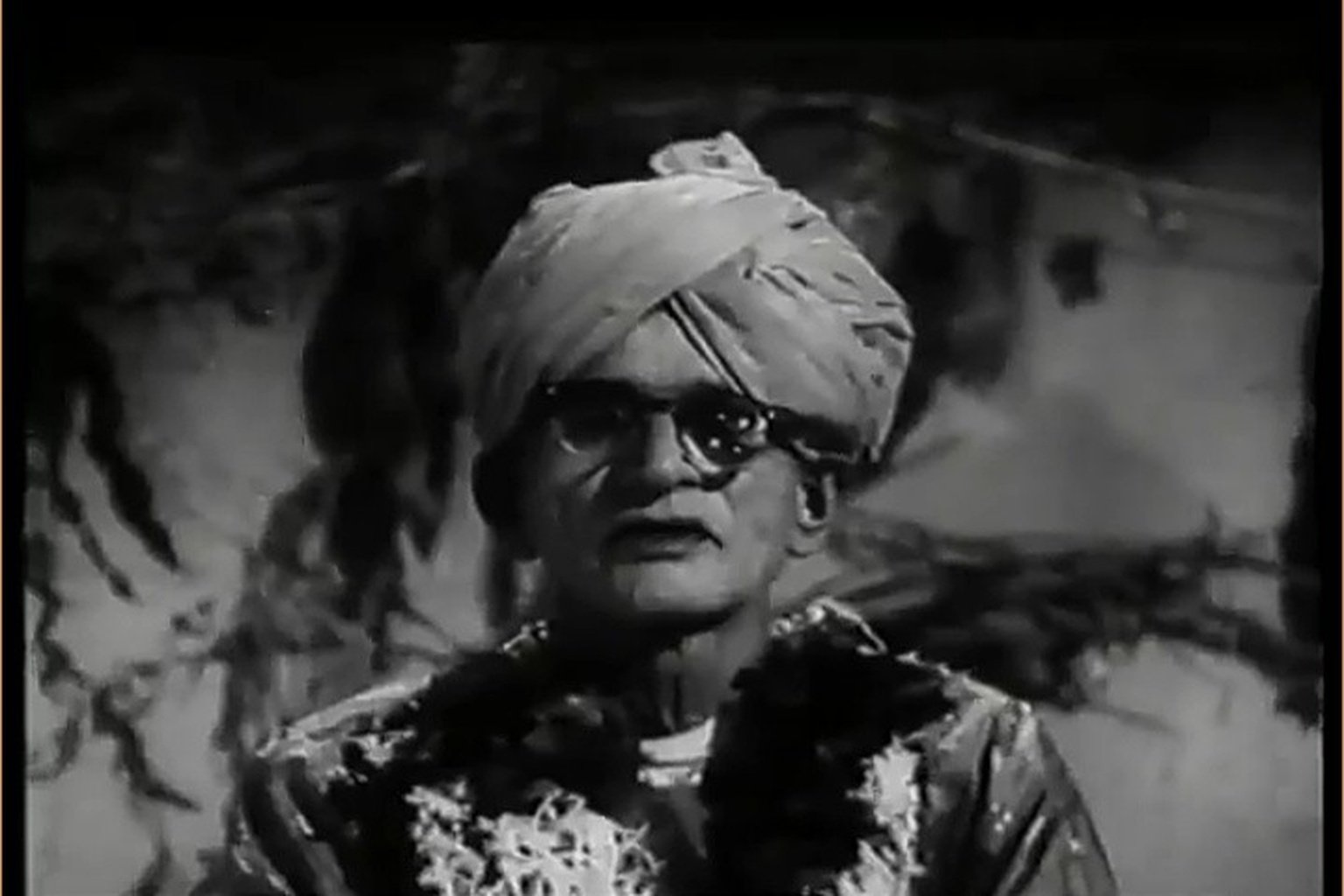
Introduction
Thank you for reading this post, don’t forget to subscribe!Bhikhari Thakur (1887–1971) stands as one of India’s most iconic folk cultural figures and the undisputed pioneer of Bhojpuri theatre and folk literature. Often called the “Shakespeare of Bhojpuri”, he transformed local performance traditions into a powerful medium for social reform, moral education, and cultural assertion. Through his plays, songs, and characters, Thakur gave voice to migrants, women, lower castes, and the rural poor—communities largely absent from elite literary spaces.
Early Life and Background
Bhikhari Thakur was born in 1887 in Kutubpur village, Saran district (present-day Chhapra), Bihar. He was born into a Nai (barber) caste, considered socially marginal at the time. Poverty and caste discrimination shaped his early years, and he had no formal education—a fact that makes his later literary and theatrical achievements extraordinary.
Like many Bhojpuri-speaking men of his generation, Thakur migrated in his youth to Calcutta (now Kolkata) in search of livelihood. This experience of migration—its loneliness, exploitation, and impact on families—would later become a central theme in his creative work.
Struggle and Turning Point
In Calcutta, Bhikhari Thakur worked as a barber and came into contact with Ramleela, folk songs, devotional music, and local theatre traditions. Deeply influenced by Vaishnav devotional ideas, social realities, and folk performance styles, he gradually began writing and performing songs and plays in Bhojpuri.
Despite resistance from conservative sections of society—especially because theatre was seen as morally questionable—Thakur persisted. He formed his own folk theatre troupe, performing in villages across Bihar, eastern Uttar Pradesh, Bengal, and even among Bhojpuri migrant communities outside the region.
Profession and Artistic Journey
Bhikhari Thakur was:
- A folk playwright
- A poet and lyricist
- A director and performer
- A social reformer through art
He used Bhojpuri language, local idioms, music, and everyday life situations to make theatre accessible to ordinary people. His performances were held in open spaces and village grounds, ensuring mass participation.
Important Plays and Literary Works
Bhikhari Thakur wrote and staged numerous influential plays. Some of his most important works include:
1. Bidesiya (The Foreigner)
His most famous play, Bidesiya, explores:
- Male migration
- Loneliness of women left behind
- Breakdown of family structures
It remains one of the most powerful cultural texts on labour migration in India.
2. Beti Bechwa (The Daughter Seller)
A hard-hitting critique of:
- Dowry system
- Female commodification
- Patriarchal exploitation
3. Gabarghichor
Focuses on:
- Women’s agency
- Moral dilemmas
- Social hypocrisy
4. Kaljug Prem
Examines changing moral values in modern times.
5. Nanad Bhojai
Highlights women’s relationships, domestic power dynamics, and emotional labour.
6. Bidhwa Bilap (Lament of a Widow)
A moving portrayal of:
- Widowhood
- Social oppression
- Emotional suffering of widows in traditional society
Iconic Characters Created by Bhikhari Thakur
Thakur’s characters were deeply rooted in rural life and became archetypes:
- Bidesiya – the migrant husband
- Pyari Sundari – the abandoned wife
- Oppressed daughters and widows – symbols of patriarchal injustice
- Hypocritical priests and landlords – mirrors of social exploitation
These characters humanised social problems and made audiences emotionally engage with reformist ideas.
Contribution to Social Teaching and Reform
Bhikhari Thakur used theatre as a tool for moral instruction and social awakening. His key reformist themes included:
- Women’s rights and dignity
- Critique of dowry and child marriage
- Caste discrimination
- Migrant labour exploitation
- Alcoholism and moral decay
- Value of education and ethical living
Unlike elite reformers, Thakur spoke from within the community, making his message credible and powerful.
Language, Style, and Cultural Importance
- He elevated Bhojpuri from a spoken dialect to a literary and performative language
- His works combined music, dance, satire, devotion, and realism
- He preserved and modernised folk traditions while keeping them socially relevant
Today, Bhojpuri theatre, folk music, and even modern Bhojpuri cinema owe a deep debt to his pioneering efforts.
Later Life and Recognition
Bhikhari Thakur continued performing well into old age. Though he lived simply and never sought wealth or fame, recognition gradually followed:
- He is widely remembered as the founder of modern Bhojpuri theatre
- Cultural institutions, universities, and theatre groups study his works
- His life and plays are part of academic discourse on folk culture and subaltern studies
He passed away in 1971, leaving behind a rich cultural legacy.
Legacy and Global Relevance
Bhikhari Thakur’s work resonates even today because:
- Migration remains a global issue
- Gender inequality persists
- Folk traditions are crucial to cultural identity
He demonstrated how local art can address universal human problems, making him relevant far beyond Bihar and India.
Conclusion
Bhikhari Thakur was not merely a playwright—he was a cultural revolutionary. Without formal education or elite backing, he used folk theatre to challenge injustice, awaken social conscience, and preserve Bhojpuri identity. His life journey from a marginalised barber to a cultural icon stands as a testament to the power of creativity rooted in the people.
Leave a Reply