-
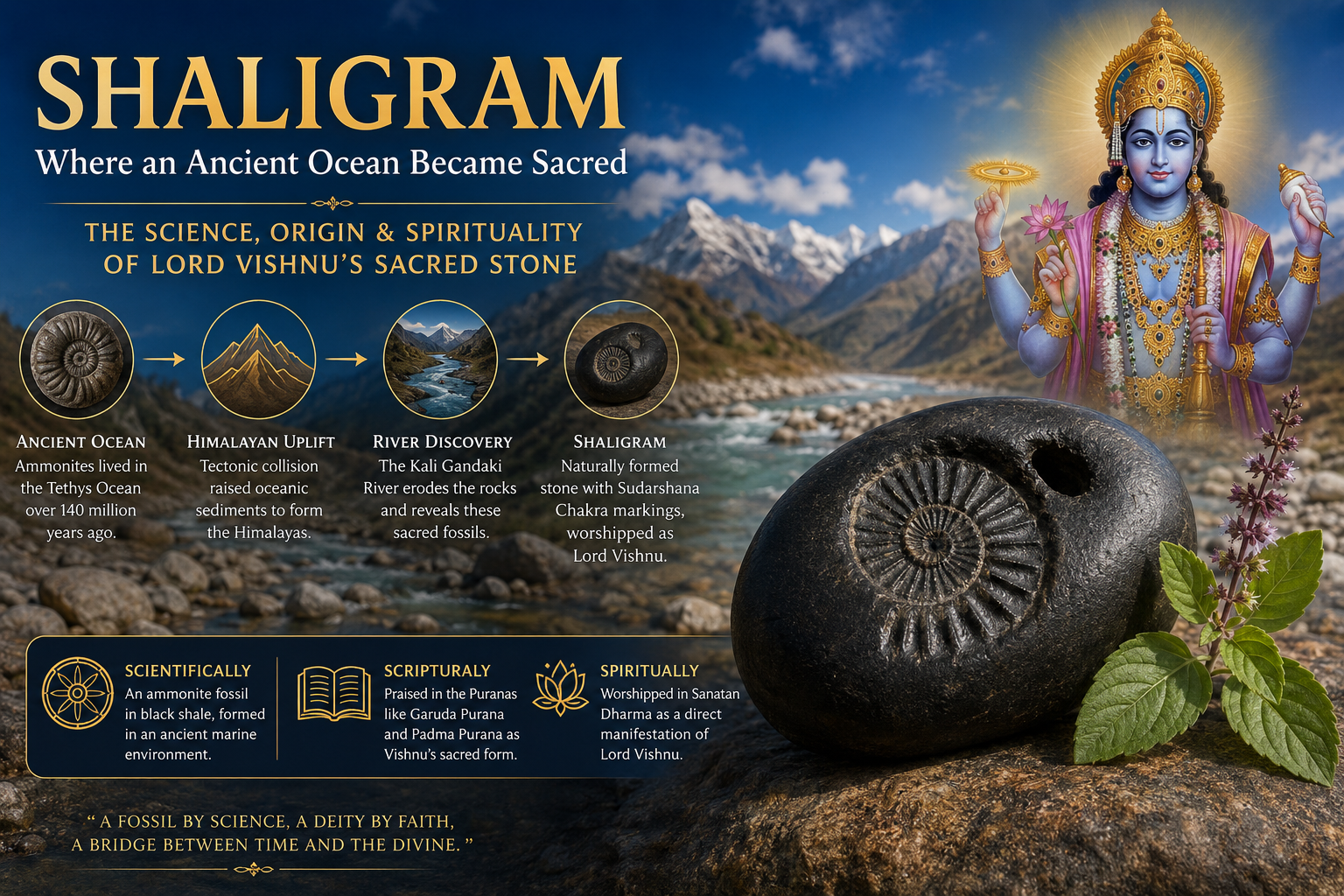
Shaligram: The Science, Geology and Spirituality of Vishnu’s Sacred Stone
Shaligram: A Stone That Connects an Ancient Ocean, the Himalayas and Lord Vishnu Few objects in the religious traditions of India present such a fascinating meeting point between science, geology, palaeontology, mythology and spirituality as the Shaligram Shila. To a geologist, a Shaligram is associated with an extraordinarily old marine world—a fossil-bearing rock containing the…
Written by
-
Ashtavakra: The Sage Who Taught the World That True Perfection Lies Within
Ashtavakra: The Sage Beyond Physical Perfection Among the countless sages who illuminated the spiritual traditions of India, few stand as uniquely as Ashtavakra. He was not remembered for royal power, military victories, or material achievements. Instead, he became immortal because of his extraordinary wisdom, fearless intellect, and profound realization of the Self. Born with eight…
Written by

-
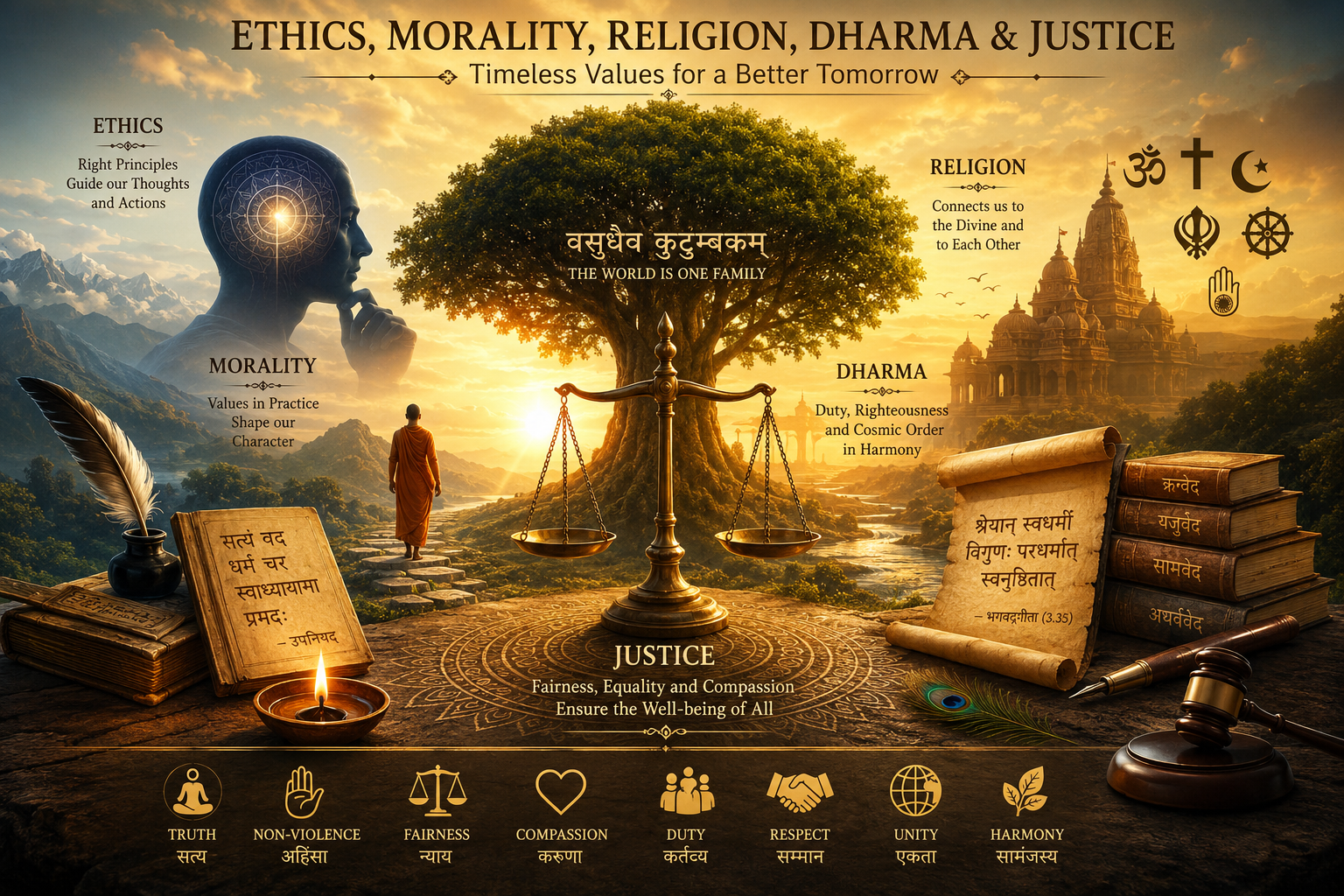
Ethics, Morality, Religion, Dharma and Justice: Relevance in Modern Times
Introduction Human civilization has advanced remarkably in science, technology, economy, and governance. Yet one fundamental question remains as important as ever: How should human beings live? This question has occupied philosophers, saints, lawgivers, and thinkers across civilizations. Concepts such as ethics, morality, religion, dharma, and justice emerged as guiding principles to regulate human life, preserve…
Written by
-
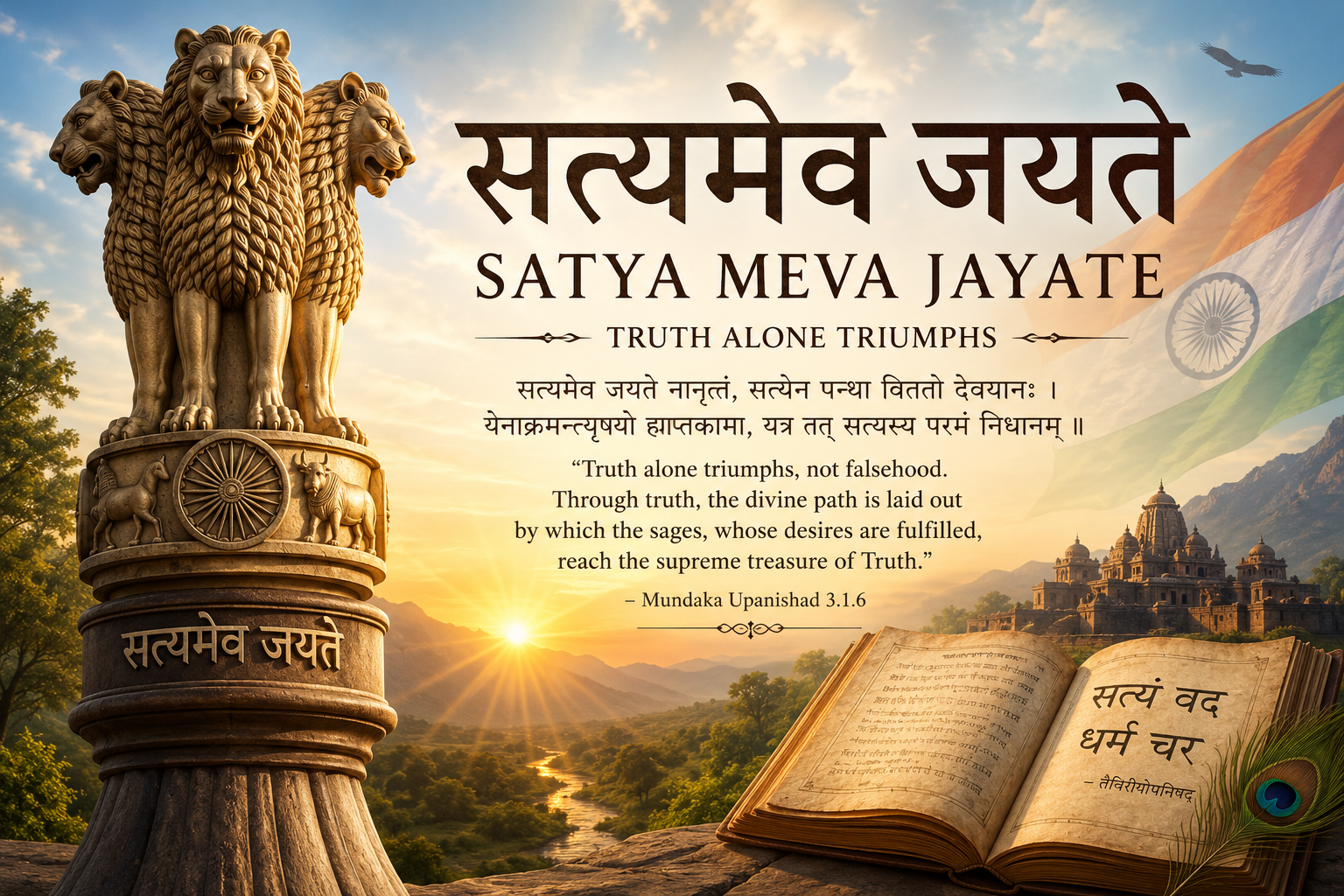
Satya Meva Jayate: The Eternal Triumph of Truth
Introduction Few phrases in human civilization possess the moral force, philosophical depth, and timeless relevance of “Satyameva Jayate” (सत्यमेव जयते). These three Sanskrit words have inspired generations, guided nations, and reminded humanity of a simple yet profound truth: Truth alone triumphs. The phrase is not merely a slogan inscribed beneath the State Emblem of India.…
Written by
-
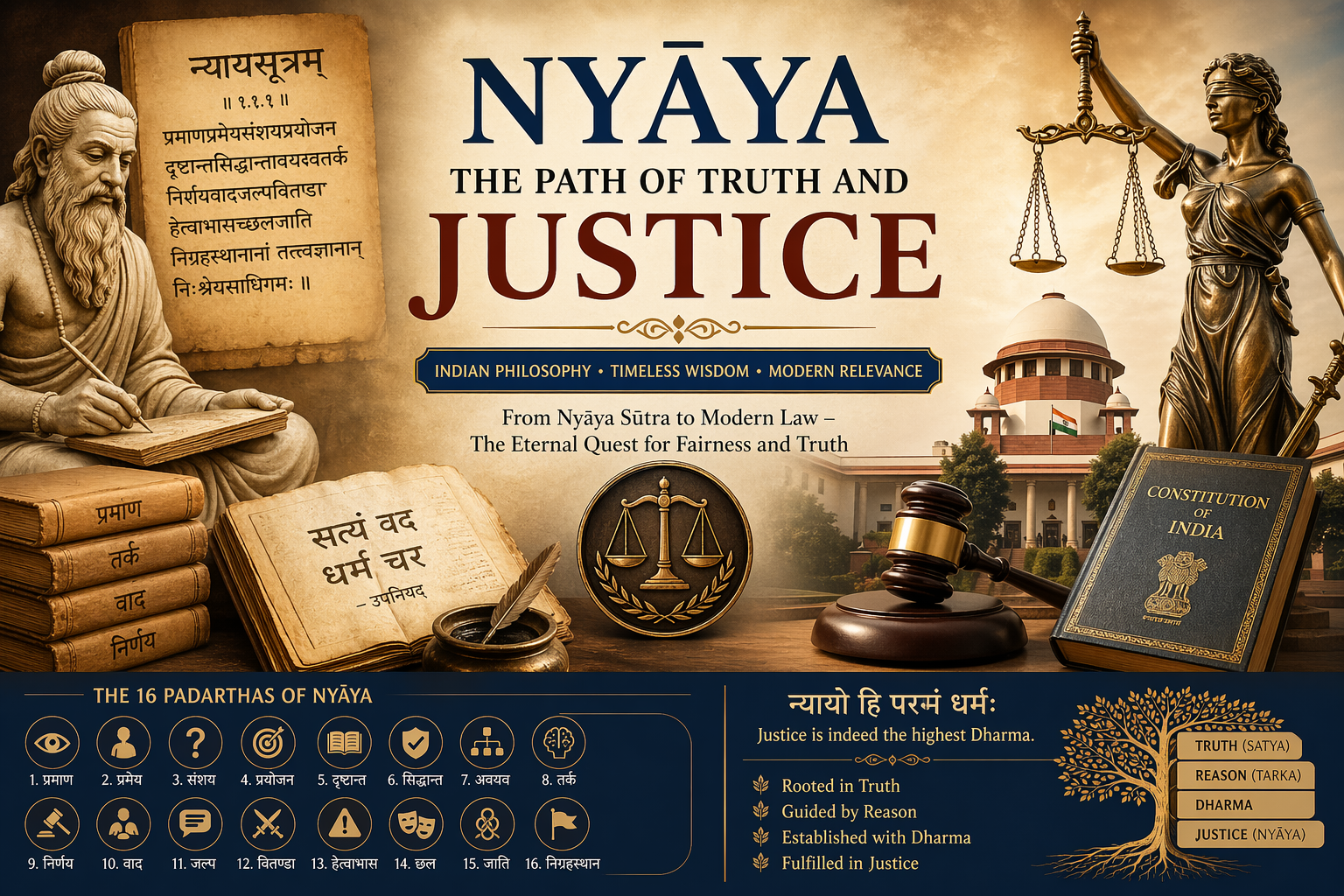
Justice (Nyāya) in Indian Philosophy: Meaning, Origin, and Relevance
1. What is Justice? Is it synonymous with Nyāya? The English term Justice generally refers to fairness, equality, and adherence to law. The Sanskrit-Hindi term Nyāya (न्याय), however, carries a far deeper philosophical meaning. Nyāya is not merely legal justice—it signifies: Thus:Justice ≈ Nyāya (in legal sense)But Nyāya is broader—it is the science of reasoning…
Written by
-
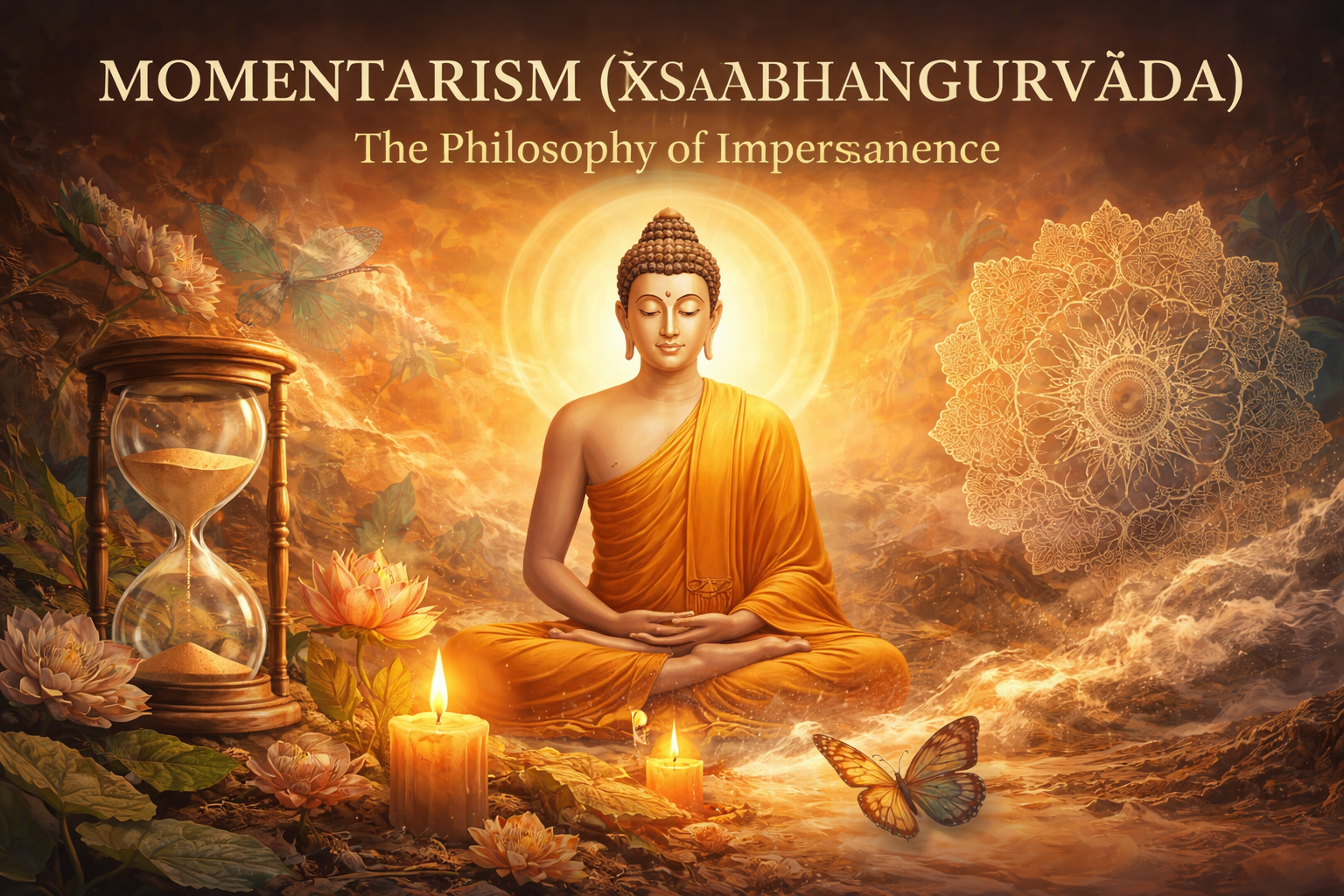
Momentarism (Kṣhaṇabhaṅgurvāda): The Philosophy of Impermanence and Its Relevance in Modern Life
Introduction In a world where change is the only constant, the ancient Indian philosophical doctrine of Momentarism (Kṣhaṇabhaṅgurvāda) offers a strikingly relevant perspective. Rooted in Buddhist philosophy, this doctrine asserts that everything in existence is fleeting—existing only for a moment before transforming into something new. Propounded and deeply influenced by the teachings of Gautama Buddha,…
Written by
-
Lord Hanuman: The Eternal Symbol of Strength, Devotion, and Wisdom
Lord Hanuman is one of the most revered and beloved deities in Hindu tradition. Worshipped across India and beyond, he is known as the embodiment of strength (Bala), wisdom (Buddhi), devotion (Bhakti), and selfless service (Seva). His life and deeds are primarily narrated in sacred texts like the Ramayana, Mahabharata, Ramcharitmanas, and various Puranas. 1.…
Written by
-
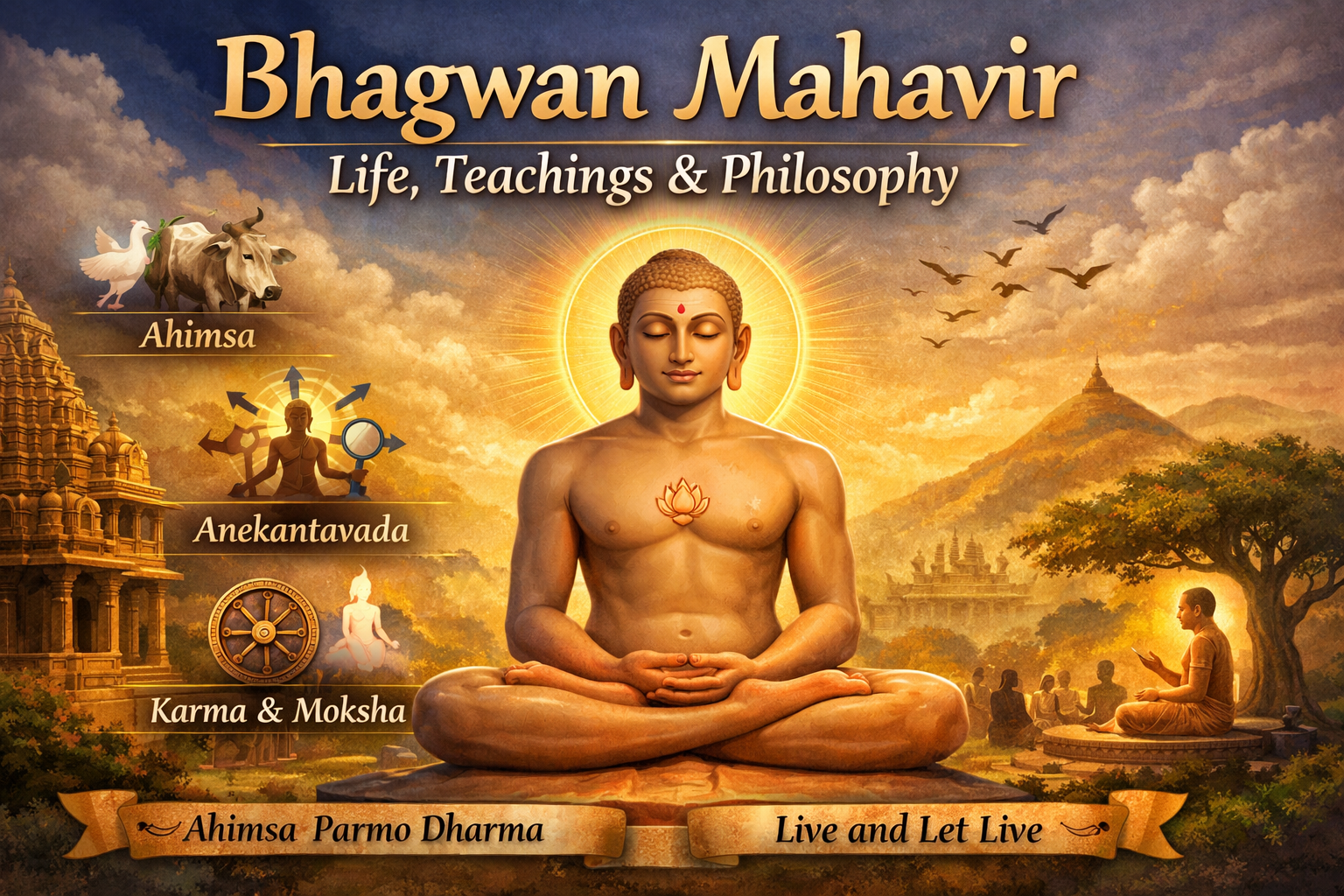
Bhagwan Mahavir: What is his Teachings & Philosophy
Introduction Bhagwan Mahavir, the 24th Tirthankara of Jainism, stands among the greatest spiritual figures in Indian history. His teachings of non-violence (Ahimsa), truth (Satya), and renunciation have shaped not only Jain philosophy but also influenced global thinkers and movements—including leaders like Mahatma Gandhi. Mahavir’s life represents the ultimate journey from material attachment to spiritual liberation…
Written by
-
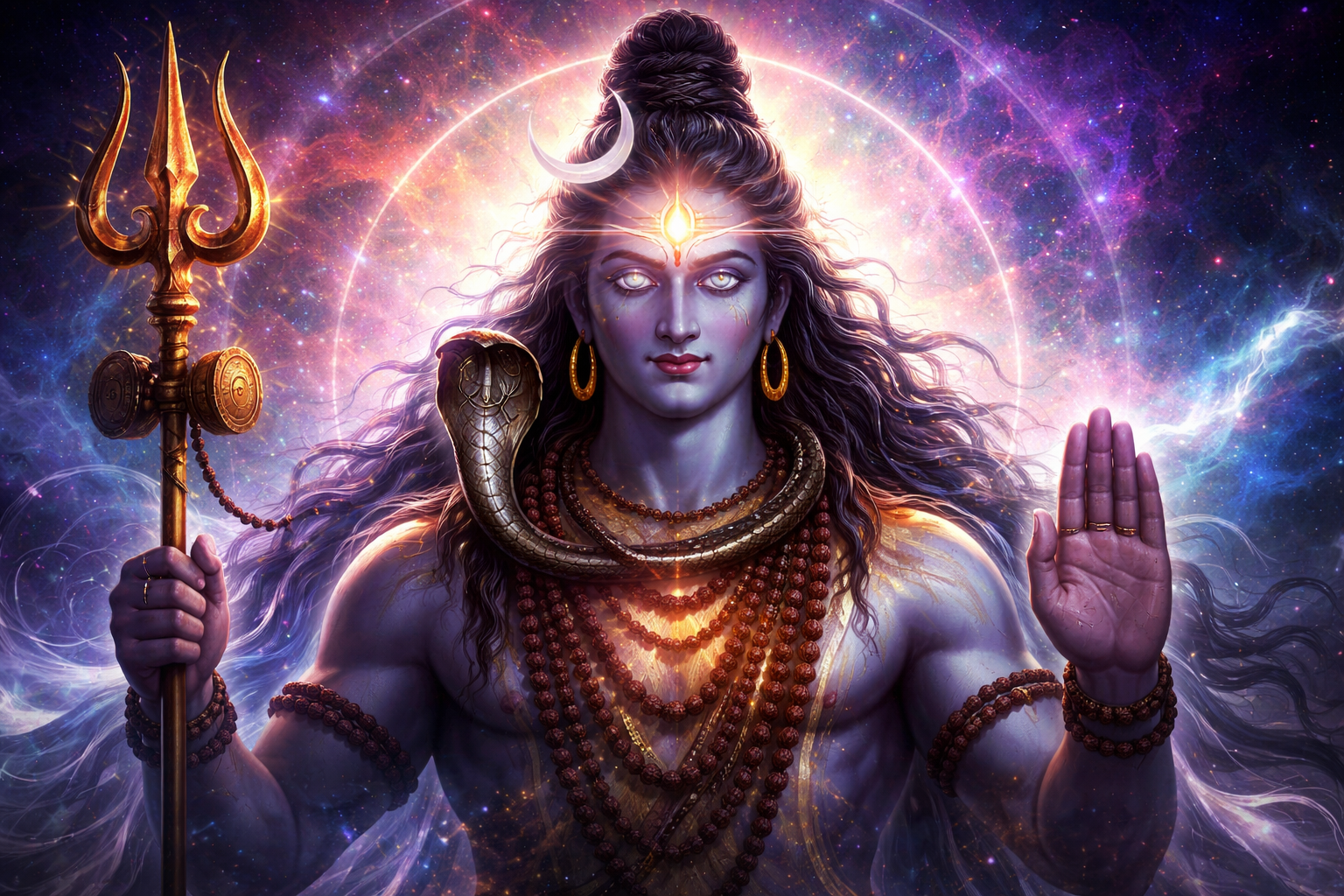
Third Eye of God Shankar: Meaning, Story, Symbolism, and Scientific Perspective
In Sanatan Dharma, Shiva—also known as Mahadev, Bholenath, and Shankar—is one of the most profound and complex deities. Among his many symbolic features, the third eye (Trinetra) is perhaps the most mysterious and powerful. It represents not destruction alone, but divine wisdom, higher consciousness, and cosmic balance. This blog explores the story behind Shiva’s third…
Written by
-
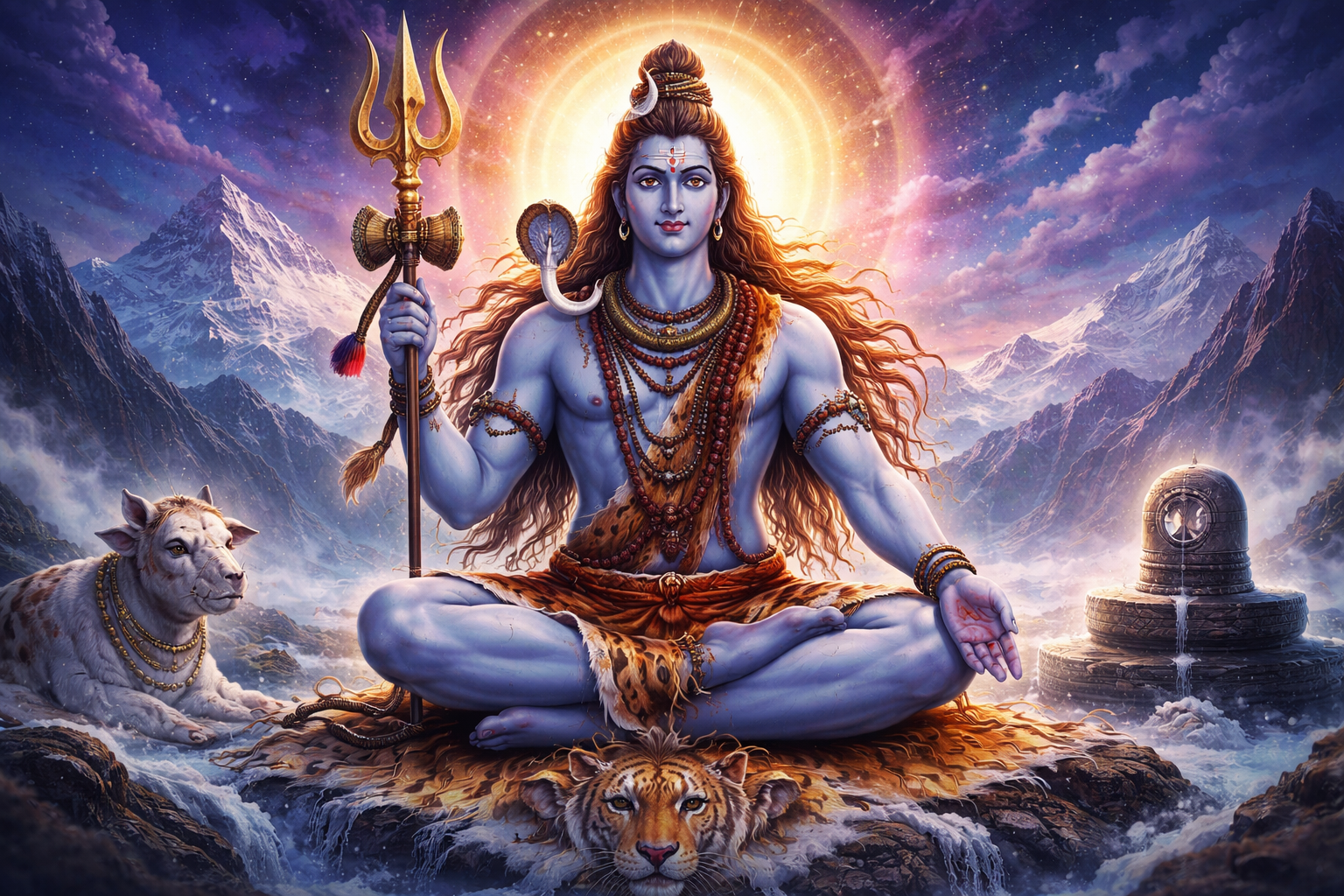
Bhagwan Shiva: The Eternal Mahadev, Adidev, and Supreme Cosmic Energy
Bhagwan Shiva – The Supreme Consciousness of the Universe In the vast spiritual tradition of Sanatan Dharma, Shiva stands as the embodiment of supreme consciousness, transformation, destruction, meditation, and eternal truth. Known as the most mysterious and compassionate among the deities, Shiva is worshipped not merely as a god, but as the ultimate reality —…
Written by