Blog

  • From Twelve to Four: Osho’s Ultimate List of India’s Super‑Human Beings

    From Twelve to Four: Osho’s Ultimate List of India’s Super‑Human Beings

    Introduction

    In a memorable dialogue with the great Hindi poet Sumitranandan Pant, Osho was asked to list the brightest spiritual figures— “super‑humans”—in India’s history. He named twelve, then refined them to seven, then five, four, and finally declared that reducing further was impossible. This post explores his reasoning for each stage and presents his final four.

    Osho’s Original Twelve

    Osho initially listed twelve luminaries of Indian spirituality:

    • Krishna
    • Patanjali
    • Buddha
    • Mahavira
    • Nagarjuna
    • Shankara
    • Gorakh
    • Kabir
    • Nanak
    • Meera
    • Ramakrishna
    • J. Krishnamurti

    Osho’s Condensed Lists

    Seven names (dropped five):
    Krishna, Patanjali, Buddha, Mahavira, Shankara, Gorakh, Kabir

    Five names (dropping Shankara and Kabir):
    Krishna, Patanjali, Buddha, Mahavira, Gorakh

    • Osho emphasizes: “Because Kabir is merged into Gorakh. Gorakh is the root.”

    Four names:
    Krishna, Patanjali, Buddha, Gorakh

    • Osho clarifies that Mahavira could be absorbed within Buddha, while Nagarjuna, Ramakrishna, Kabir, Nanak, Meera, etc. emerge from these roots

    Three names? Impossible.
    He declared all four were indispensable—like the four directions, four dimensions, four arms of God—removing any would be self‑mutilation.

    Why These Final Four?

    1. Krishna

    Represents divine action and love. Osho says Krishna embodies the original contribution: “Karma‑yoga and love‑wisdom” that shaped Indian civilization. Krishna’s methods influenced later teachers like Shankara and Ramakrishna.

    2. Patanjali

    The compiler of the Yoga Sutras—foundational to Indian spiritual science. Without Patanjali, Yoga might not have reached its systematic form. His work is both praxis and philosophy.

    3. Buddha

    The Enlightened One who gave the mind‑science of meditation. His path of compassion and liberation is unique. Osho holds Buddha as the seed phenomenon from which others like Nagarjuna and Krishnamurti emerge.

    4. Gorakh (Gorakhnath)

    Called the root of much of Indian sant tradition. Osho emphasizes that Kabir, Nanak, Meera, Dadu, Farid—all sprout from Gorakh’s methods. He broke inner gates, brought numerous paths to inner transformation. Without him, none of the later devotional streams would exist.

    Final Four (the Irreducibles)

    NameRole & Significance
    KrishnaSource of divine action, love‑wisdom, originality
    PatanjaliArchitect of Yoga, systematizer of spiritual practice
    BuddhaEnlightenment in action and mind‑science of meditation
    GorakhRoot of tantric‑sant tradition, inventor of inner methods

    All four represent unique dimensions—action/love, disciplined yoga, inner awareness, and transformative method—like the four arms of the divine. Osho said removing any would damage the whole structure of India’s spiritual legacy.

    Conclusion

    In that exchange with Sumitranandan Pant, Osho distilled India’s spiritual heritage into four archetypes—each indispensably original. These final four—Krishna, Patanjali, Buddha, and Gorakh—stand as pillars of action, practice, insight, and innovation.

    Thank you for reading!
    Feel free to share your thoughts or why you might add or argue for other names.

  • Invent. Protect. Profit: The Role of Patents in Today’s World

    Invent. Protect. Profit: The Role of Patents in Today’s World

    In the world of innovation and creativity, protecting your original ideas is crucial. Whether you’re an individual inventor, a startup, or a research organization, understanding what a patent is and how it works can empower you to safeguard your innovations and benefit from your hard work.

    Let’s explore everything you need to know about patents—from definition to types, eligibility, and why they matter.

    What Is a Patent?

    A patent is a legal right granted by the government to an inventor. It gives the inventor exclusive rights to make, use, sell, or distribute the invention for a limited period—usually 20 years from the filing date.

    In simple terms, a patent prevents others from copying or using your invention without your permission. It acts like a property right over your idea.

    Why Is a Patent Important?

    Patents are more than just paperwork—they offer strategic, legal, and financial benefits:

    •  Protects your idea from being stolen or copied
    •  Increases commercial value—you can sell or license your patent
    • Gives competitive edge in the market
    •  Encourages innovation by rewarding inventors
    • Attracts investors and boosts credibility

    Types of Patents

    Patents can be broadly classified into three main types:

    1. Utility Patent

    • Covers: New and useful inventions or discoveries (e.g., machines, processes, compositions of matter)
    • Most common type
    • Duration: 20 years from date of filing

    2. Design Patent

    • Covers: New, original, and ornamental design of a functional item (e.g., the shape of a bottle, the look of a phone)
    • Focuses on how something looks and not how it works
    • Duration: 15 years (in the US) from grant date

    3. Plant Patent

    • Covers: New and distinct plant varieties that are asexually reproduced (e.g., hybrid plants)
    • Less common
    • Duration: 20 years

    Note: New plant varieties can be protected under “Protection of Plant Varieties and Farmers’ Rights Act, 2001” and not under patents.

    What Can Be Patented?

    To qualify for a patent, your invention must meet three main criteria:

    1. Novelty – It must be new, not disclosed publicly anywhere in the world before.
    2. Inventive Step / Non-obviousness – It must be not obvious to someone skilled in the field.
    3. Industrial Applicability – It should be useful and applicable in some industry.

    What Cannot Be Patented?

    Not everything can be patented. Common exclusions include:

    • Abstract ideas or theories
    • Mathematical methods
    • Business models (in some jurisdictions)
    • Medical treatment procedures
    • Natural substances (as they exist in nature)
    • Algorithms (unless tied to a technical solution)

    Who Can Apply for a Patent?

    Anyone can apply for a patent, including:

    • Individual inventors
    • Startups and companies
    • Research institutes or universities
    • Government bodies

    However, only the true inventor or the assignee (e.g., employer or sponsor) can file the application.

    Patent Filing: National vs International

    You can file a patent:

    • Nationally – in a specific country (e.g., India Patent Office, USPTO in the U.S.)
    • Internationally – under the Patent Cooperation Treaty (PCT) or Convention Application (application claiming the priority of a country which is a member to Paris Convention which lets you seek protection in multiple countries with a single application

    Conclusion: Patents Empower Innovation

    Patents are a cornerstone of innovation. They encourage creativity, provide monetary rewards, and help build a robust ecosystem for invention. Whether you’re working on a new technology, a clever product design, or a biological breakthrough, securing a patent ensures that your hard work is protected and profitable.

    So, the next time you come up with a groundbreaking idea, remember: a patent could be your best friend.

  • Life Lessons from Warren Buffett on Financial Mastery and Wealth Creation

    Life Lessons from Warren Buffett on Financial Mastery and Wealth Creation

    When it comes to building wealth and achieving financial independence, few names command as much respect as Warren Buffett, the “Oracle of Omaha.” With decades of investment wisdom and a net worth in the tens of billions, Buffett has transformed not only his own financial future but has also inspired millions of people worldwide to rethink their relationship with money. His philosophy is rooted in simplicity, discipline, and patience — principles that anyone can adopt.

    In this blog, we’ll explore the key life lessons Warren Buffett teaches on financial mastery and wealth creation and how you can implement them in your financial journey.

    Warren Buffett’s Key Wealth Lessons at a Glance

    LessonWhat Buffett SaysYour Action Step
    Start Early“Time is the friend of the wonderful business.”Begin investing now, no matter how small.
    Live Below Your Means“If you buy things you don’t need, you’ll soon sell things you need.”Save more, spend less, and focus on investing.
    Invest in What You Understand“Never invest in a business you cannot understand.”Research industries you know well.
    Be Patient“The stock market rewards the patient.”Hold long-term and avoid panic selling.
    Avoid Debt“If you’re smart, you’re going to make a lot of money without borrowing.”Eliminate high-interest debt.
    Keep Learning“The more you learn, the more you earn.”Read daily and improve financial literacy.
    Focus on Long-Term“Our favourite holding period is forever.”Build a portfolio for decades, not days.
    Create Multiple Incomes“If you don’t find a way to make money while you sleep, you will work until you die.”Develop passive income streams.

    1. Start Early and Stay Consistent

    Buffett’s greatest weapon has always been compounding. He began investing at age 11 and admits he wishes he had started sooner.

    Takeaway:

    • Start small but start now.
    • Consistency is more powerful than timing the market.

    2. Live Below Your Means

    Buffett still lives in the house he bought in 1958. Wealth isn’t about spending — it’s about saving and investing wisely.

    Takeaway:

    • Avoid lifestyle inflation.
    • Focus on financial freedom, not luxury.

    3. Invest in What You Understand

    Buffett avoids “hype stocks” and invests in simple, understandable businesses with strong fundamentals.

    Takeaway:

    • Research before investing.
    • Stay in your circle of competence.

    4. Value Patience Over Speed

    Buffett believes the stock market is a tool for transferring money from the impatient to the patient.

    Takeaway:

    • Don’t chase quick profits.
    • Let compounding work its magic.

    5. Avoid Debt and Build Liquidity

    Buffett stays away from unnecessary debt, giving him the flexibility to seize opportunities.

    Takeaway:

    • Pay down high-interest loans.
    • Maintain an emergency fund.

    6. Continuous Learning

    Buffett spends 80% of his day reading. Knowledge compounds just like money.

    Takeaway:

    • Read books, reports, and financial news.
    • Learn from failures and adapt.

    7. Focus on the Long-Term Game

    Buffett ignores short-term market noise. His focus is on decades, not days.

    Takeaway:

    • Be a long-term investor.
    • Ignore trends and focus on value.

    8. Build Multiple Streams of Income

    Buffett encourages creating passive income streams for financial independence.

    Takeaway:

    • Reinvest profits to generate more income.
    • Diversify your income sources.

    Conclusion

    Warren Buffett’s wisdom isn’t just about investing; it’s about a disciplined lifestyle. By embracing simplicity, consistency, and a long-term mindset, anyone can move closer to financial mastery and wealth creation.

     “Do not save what is left after spending; instead, spend what is left after saving.” – Warren Buffett

    Start today, stay disciplined, and let your wealth compound over time.

    **********

  • Explore the USA: A State-by-State Guide with Regions, Capitals, Tourist Attractions, Travel Tips & Best Time to Visit

    Explore the USA: A State-by-State Guide with Regions, Capitals, Tourist Attractions, Travel Tips & Best Time to Visit

    Introduction
    The United States of America, with its vast landscape and diverse culture, is a dream destination for travellers across the globe. Comprising 50 states grouped into distinct regions, each state has its own charm, history, and tourist appeal. Whether you’re drawn to natural wonders, vibrant cities, or cultural heritage, this guide covers the regional classification of U.S. states, their capitals, specialties, must-visit attractions, the best time to travel, and important travel precautions to ensure a safe and enriching experience.

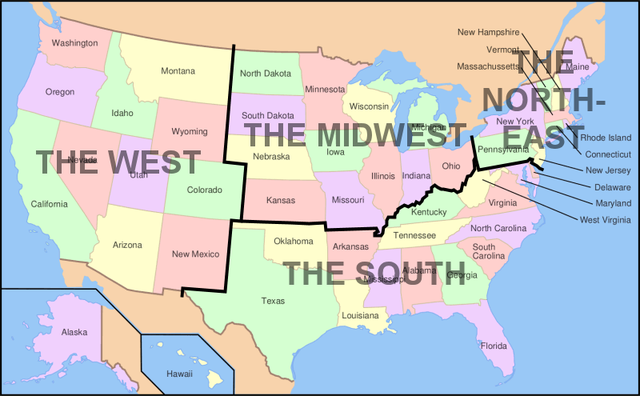
    Regional Classification of the United States

    The U.S. is commonly divided into five major regions:

    1. Northeast Region

    • States: 1) New York, 2) New Jersey, 3) Pennsylvania, 4) Massachusetts, 5) Connecticut, 6) Rhode Island, 7) New Hampshire, 8) Vermont, 9) Maine
    • Specialties: Historical landmarks, Ivy League universities, financial centres
    • Best Time to Visit: Spring (April–June) and Fall (September–November)

    Top Tourist Attractions:

    • New York City, NY: Times Square, Statue of Liberty, Central Park
    • Philadelphia, PA: Liberty Bell, Independence Hall

    2. Midwest Region

    • States: 10) Ohio, 11) Indiana, 12) Illinois, 13) Michigan, 14) Wisconsin, 15) Minnesota, 16) Iowa, 17) Missouri, 18) North Dakota, 19) South Dakota, 20) Nebraska, 21) Kansas
    • Specialties: Farmlands, lakes, industry hubs, Midwestern hospitality
    • Best Time to Visit: May to October

    Top Tourist Attractions:

    • Chicago, Illinois: Millennium Park, Willis Tower
    • Mount Rushmore, South Dakota
    • Mackinac Island, Missouri

    3. South Region

    • States: 22) Texas, 23) Florida, 24) Georgia, 25) North Carolina, 26) South Carolina, 27) Virginia, 28) Alabama, 29) Mississippi, 30) Louisiana, 31) Arkansas, 32) Tennessee, 33) Kentucky, 34) West Virginia, 35) Oklahoma
    • Specialties: Warm climate, music (blues, jazz, country), hospitality, historical architecture
    • Best Time to Visit: Spring and Fall

    Top Tourist Attractions:

    • Orlando, FL: Walt Disney World, Universal Studios
    • New Orleans, LA: French Quarter, Mardi Gras
    • Nashville, TN: Country Music Hall of Fame
    • San Antonio, TX: The Alamo, River Walk

    4. West Region

    • States: 36) California, 37) Oregon, 38) Washington, 39) Nevada, 40) Utah, 41) Colorado, 42) Idaho, 43) Montana, 44) Wyoming, 45) Alaska, 46) Hawaii
    • Specialties: National parks, tech hubs, Pacific coast, Hollywood, mountains
    • Best Time to Visit: Varies – Spring to Fall generally preferred

    Top Tourist Attractions:

    • Los Angeles, CA: Hollywood, Santa Monica
    • Grand Canyon, AZ
    • Yellowstone National Park, WY/MT/ID
    • Seattle, WA: Space Needle
    • Honolulu, HI: Waikiki Beach, Pearl Harbor

    5. Southwest Region (Overlap with South/West)

    • States: 47) Arizona, 48) New Mexico, 49) Texas, 50) Oklahoma
    • Specialties: Deserts, Native American culture, spicy cuisine
    • Best Time to Visit: October to April

    Top Tourist Attractions:

    • Sedona, AZ: Red Rock formations
    • Santa Fe, NM: Art galleries, Pueblo architecture
    • Big Bend National Park, TX

    USA States, Capitals, and Travel Highlights

    Sr. NoStateCapitalKnown ForMajor Attraction
    1AlabamaMontgomeryCivil Rights Movement, Southern cultureUSS Alabama Battleship Memorial Park
    2AlaskaJuneauWildlife, glaciers, Northern LightsDenali National Park
    3ArizonaPhoenixDeserts, Native American heritageGrand Canyon National Park
    4ArkansasLittle RockMountains, hot springsHot Springs National Park
    5CaliforniaSacramentoHollywood, Silicon Valley, beachesYosemite National Park
    6ColoradoDenverRocky Mountains, skiingRocky Mountain National Park
    7ConnecticutHartfordColonial history, educationMystic Seaport Museum
    8DelawareDoverFirst U.S. state, beachesRehoboth Beach
    9FloridaTallahasseeTheme parks, beaches, EvergladesDisney World, Miami Beach
    10GeorgiaAtlantaPeaches, civil rights, Coca-ColaGeorgia Aquarium, Stone Mountain
    11HawaiiHonoluluVolcanoes, surfing, island culturePearl Harbor, Maui beaches
    12IdahoBoisePotatoes, mountainsShoshone Falls
    13IllinoisSpringfieldChicago skyline, deep-dish pizzaNavy Pier, Millennium Park
    14IndianaIndianapolisIndy 500 race, sportsIndianapolis Motor Speedway
    15IowaDes MoinesFarms, corn, state fairsAmana Colonies
    16KansasTopekaWheat, tornadoes, plainsMonument Rocks
    17KentuckyFrankfortBourbon, horse racingMammoth Cave National Park
    18LouisianaBaton RougeJazz, Cajun culture, Mardi GrasFrench Quarter, New Orleans
    19MaineAugustaLighthouses, seafood, natureAcadia National Park
    20MarylandAnnapolisChesapeake Bay, blue crabsBaltimore Inner Harbor
    21MassachusettsBostonAmerican Revolution, universitiesFreedom Trail
    22MichiganLansingGreat Lakes, auto industryMackinac Island
    23MinnesotaSaint PaulLakes, Mall of AmericaBoundary Waters Canoe Area
    24MississippiJacksonBlues music, river cultureVicksburg National Military Park
    25MissouriJefferson CityCaves, barbecue, Gateway ArchGateway Arch, St. Louis
    26MontanaHelenaMountains, national parksGlacier National Park
    27NebraskaLincolnPrairies, sandhillsChimney Rock
    28NevadaCarson CityCasinos, desertsLas Vegas Strip, Lake Tahoe
    29New HampshireConcordAutumn foliage, mountainsWhite Mountains
    30New JerseyTrentonAtlantic coast, dinersAtlantic City Boardwalk
    31New MexicoSanta FeArt, deserts, Native American cultureCarlsbad Caverns
    32New YorkAlbanyNYC, finance, artsTimes Square, Niagara Falls
    33North CarolinaRaleighBeaches, Smoky MountainsBiltmore Estate, Outer Banks
    34North DakotaBismarckPrairies, Native American historyTheodore Roosevelt National Park
    35OhioColumbusIndustry, football, Rock Hall of FameCedar Point, Rock Hall
    36OklahomaOklahoma CityCowboys, Route 66National Cowboy Museum
    37OregonSalemForests, coastline, beerCrater Lake National Park
    38PennsylvaniaHarrisburgHistory, Amish, Philly cheesesteakLiberty Bell, Gettysburg
    39Rhode IslandProvidenceSmallest state, coast, sailingNewport Mansions
    40South CarolinaColumbiaSouthern charm, beachesCharleston Historic District
    41South DakotaPierreBadlands, Mount RushmoreMount Rushmore
    42TennesseeNashvilleMusic, Great Smoky MountainsGraceland, Smoky Mountains
    43TexasAustinBBQ, music, deserts, techThe Alamo, Austin’s music scene
    44UtahSalt Lake CityNational parks, Mormon heritageZion National Park
    45VermontMontpelierMaple syrup, skiing, foliageStowe, Green Mountains
    46VirginiaRichmondColonial history, Blue RidgeColonial Williamsburg
    47WashingtonOlympiaTech, nature, SeattleSpace Needle, Mount Rainier
    48West VirginiaCharlestonMountains, coal miningNew River Gorge
    49WisconsinMadisonCheese, lakes, Green Bay PackersWisconsin Dells
    50WyomingCheyenneCowboys, wide-open spacesYellowstone National Park

    Best Time to Visit USA by Season

    • Spring (March–May): Cherry blossoms, festivals, moderate weather. Ideal for cities and East Coast.
    • Summer (June–August): Beaches, road trips, national parks. Popular but crowded.
    • Fall (September–November): Foliage in Northeast, wine regions, fewer tourists.
    • Winter (December–February): Snow sports, warm southern getaways, holiday lights.

    Important Travel Precautions & Tips

    1. Visa & Travel Insurance: Ensure you have a valid U.S. visa (B1/B2) and comprehensive travel insurance.
    2. Tipping Culture: Tipping (15–20%) is customary in restaurants and for services.
    3. Weather Preparedness: U.S. climates vary widely – pack accordingly.
    4. Local Laws: Each state has unique laws – stay informed.
    5. Health & Safety: Emergency number is 911. COVID-19 protocols may vary.
    6. Transport: Domestic flights are frequent; Amtrak and Greyhound offer scenic routes.
    7. Currency: U.S. Dollar (USD). Credit/debit cards are widely accepted.
    8. Time Zones: Spans 6 time zones – plan itineraries carefully.
    9. Driving: Drive on the right; International Driving Permit recommended.
    10. Language: English is the official language across all states.

    ***********

  • Divine Light of Lord Shiva: A Sacred Journey to the 12 Jyotirlingas of India

    Divine Light of Lord Shiva: A Sacred Journey to the 12 Jyotirlingas of India

    India is a land of spiritual light, and among its most revered manifestations are the Dwadasha Jyotirlingas – the twelve radiant shrines dedicated to Lord Shiva. These Jyotirlingas are not just temples but timeless centres of divine energy, faith, and eternal light (Jyoti). They are believed to have appeared from the boundless pillar of light – a manifestation of Shiva himself – as described in various ancient scriptures.

    Let’s embark on a sacred journey to discover these twelve powerful abodes, their origins in the Puranas, Sanskrit verses, significance, locations, best visiting times, and how to reach them.

    Historical and Scriptural Significance

    The mention of Jyotirlingas can be found in the Shiva Purana, particularly in the Kotirudra Samhita. It narrates that when Lord Vishnu and Lord Brahma disputed about supremacy, Shiva appeared as an endless pillar of light – Jyotirlinga. It was then declared that wherever this light touches the earth, it becomes a sacred site of Shiva’s Jyotirlinga.

    There are twelve such places where Shiva is worshipped in his most powerful linga form.

    द्वादश ज्योतिर्लिंग स्तोत्रम्

    Sanskrit Text with Transliteration:

    1. सौराष्ट्रे सोमनाथं श्रीशैले मल्लिकार्जुनम्
      उज्जयिन्यां महाकालम् ओंकारममलेश्वरम्

    Saurāṣṭre Somanāthaṁ cha Śrīśaile Mallikārjunam |
    Ujjayinyāṁ Mahākālaṁ Omkāraṁ Amalēśvaram ||

    1. परल्यां वैद्यनाथं डाकिन्यां भीमशङ्करम्
      सेतुबन्धे तु रामेशं नागेशं दारुकावने

    Paralyāṁ Vaidyanāthaṁ cha Ḍākinyāṁ Bhīmaśaṅkaram |
    Setubandhe tu Rāmeśaṁ Nāgeśaṁ Dārukāvane ||

    1. वाराणस्यां तु विश्वेशं त्र्यम्बकं गौतमीतटे
      हिमालये तु केदारं घृष्णेशं शिवालये

    Vārāṇasyāṁ tu Viśveśaṁ Tryambakaṁ Gautamītaṭe |
    Himālaye tu Kēdāraṁ Ghṛṣṇeśaṁ cha Śivālaye ||

    1. एतानि ज्योतिर्लिङ्गानि सायं प्रातः पठेन्नरः
      सप्तजन्मकृतं पापं स्मरणेन विनश्यति

    Etāni Jyotirliṅgāni sāyaṁ prātaḥ paṭhēnnaraḥ |
    Saptajanmakṛtaṁ pāpaṁ smaraṇēna vinaśyati ||

    List of 12 Jyotirlingas of India

    Each Jyotirlinga is uniquely significant and connected with a local legend of Lord Shiva.

    1. Somnath Jyotirlinga – Gujarat

    • Importance: The first among the twelve Jyotirlingas; known as the eternal shrine.
    • Scripture Mention: Rebuilt several times after invasions; stands as a symbol of resilience.
    • Sanskrit Name: Prathame Saurashtre Somanatham
    • Location: Prabhas Patan, near Veraval, Gujarat
    • Nearest City: Veraval (6 km), Junagadh (85 km)
    • Best Time to Visit: October to March

    2. Mallikarjuna Jyotirlinga – Andhra Pradesh

    • Importance: Located on Srisailam, it’s also a Shakti Peetha.
    • Scripture Mention: Shiva and Parvati stayed here for their son Kartikeya.
    • Location: Srisailam, Andhra Pradesh
    • Nearest City: Hyderabad (215 km), Kurnool (180 km)
    • Best Time to Visit: October to February

    3. Mahakaleshwar Jyotirlinga – Madhya Pradesh

    • Importance: Only Dakshinamukhi (south-facing) Jyotirlinga.
    • Scripture Mention: Protects the devotees from untimely death (Mahakaal).
    • Location: Ujjain, Madhya Pradesh
    • Nearest City: Indore (55 km)
    • Best Time to Visit: October to March

    4. Omkareshwar Jyotirlinga – Madhya Pradesh

    • Importance: Situated on an island shaped like ‘Om’ in the Narmada.
    • Scripture Mention: King Mandhata’s penance led Shiva to appear here.
    • Location: Mandhata Island, Khandwa, Madhya Pradesh
    • Nearest City: Indore (77 km)
    • Best Time to Visit: October to March

    5. Kedarnath Jyotirlinga – Uttarakhand

    • Importance: Among the holiest pilgrimage sites; part of Char Dham.
    • Scripture Mention: Built by Pandavas to seek forgiveness after Kurukshetra war.
    • Location: Kedarnath, Uttarakhand
    • Nearest Town: Gaurikund (16 km trek), Rishikesh (220 km)
    • Best Time to Visit: May to October (closed in winters)

    6. Bhimashankar Jyotirlinga – Maharashtra

    • Importance: Associated with the demon Tripurasura’s slaying.
    • Scripture Mention: Forests here are also part of rich wildlife sanctuaries.
    • Location: Pune District, Maharashtra
    • Nearest City: Pune (110 km)
    • Best Time to Visit: September to February

    7. Kashi Vishwanath Jyotirlinga – Uttar Pradesh

    • Importance: Most venerated Shiva temple, located in the spiritual capital.
    • Scripture Mention: One who dies here attains moksha directly by Shiva’s grace.
    • Location: Varanasi, Uttar Pradesh
    • Nearest City: Varanasi (within the city)
    • Best Time to Visit: November to March

    8. Trimbakeshwar Jyotirlinga – Maharashtra

    • Importance: Source of the sacred Godavari River.
    • Scripture Mention: Unique linga with three faces – Brahma, Vishnu, and Mahesh.
    • Location: Trimbak, Nashik, Maharashtra
    • Nearest City: Nashik (30 km)
    • Best Time to Visit: October to March

    9. Vaidyanath Jyotirlinga – Jharkhand

    • Importance: Also called Baba Baidyanath Dham; healing powers believed.
    • Scripture Mention: Ravana offered his heads here to gain Shiva’s blessings.
    • Location: Deoghar, Jharkhand
    • Nearest City: Jasidih (7 km), Patna (281 km)
    • Best Time to Visit: July (Shravan Mela), October to March

    10. Nageshwar Jyotirlinga – Gujarat

    • Importance: Known to protect devotees from poison and evil forces.
    • Scripture Mention: Demon Daruka was defeated here by Shiva.
    • Location: Darukavan, near Dwarka, Gujarat
    • Nearest City: Dwarka (17 km)
    • Best Time to Visit: October to March

    11. Rameshwaram Jyotirlinga – Tamil Nadu

    • Importance: Linked with Ramayana; where Lord Rama worshipped Shiva.
    • Scripture Mention: A confluence of Shaiva and Vaishnava traditions.
    • Location: Rameswaram, Tamil Nadu
    • Nearest City: Madurai (170 km)
    • Best Time to Visit: October to April

    12. Grishneshwar Jyotirlinga – Maharashtra

    • Importance: Last Jyotirlinga in the list; closely located near Ellora Caves.
    • Scripture Mention: Appeared for a devout woman Kusuma.
    • Location: Ellora, near Aurangabad, Maharashtra
    • Nearest City: Aurangabad (30 km)
    • Best Time to Visit: October to March

    Best Time for a Jyotirlinga Yatra

    While each shrine can be visited year-round, October to March is ideal for most due to pleasant weather. The Shravan month (July-August) is considered highly auspicious for Lord Shiva devotees. Mahashivratri and Karthik Purnima are also key pilgrimage dates.

    Spiritual Essence and Pilgrimage Importance

    Pilgrimage to all 12 Jyotirlingas is believed to:

    • Liberate one from the cycle of rebirth.
    • Fulfill wishes and cleanse sins.
    • Offer immense spiritual merit (punya).

    Key Points for Pilgrims

    • Carry valid ID proofs, cash, and local guides if needed.
    • Follow temple dress codes and timings.

    Avoid monsoon season for hilly terrains like Kedarnath and Bhimashankar.

  • Mystic Haridwar: Top Tourist & Pilgrimage Spots in and Around the Gateway to Gods

    Mystic Haridwar: Top Tourist & Pilgrimage Spots in and Around the Gateway to Gods

    गङ्गाद्वारे स्थितं क्षेत्रं सर्वपापप्रणाशनम्।
    मोक्षदं सर्वतीर्थानां तद्धि श्रेष्ठं महामुने॥

    (Skanda Purana)

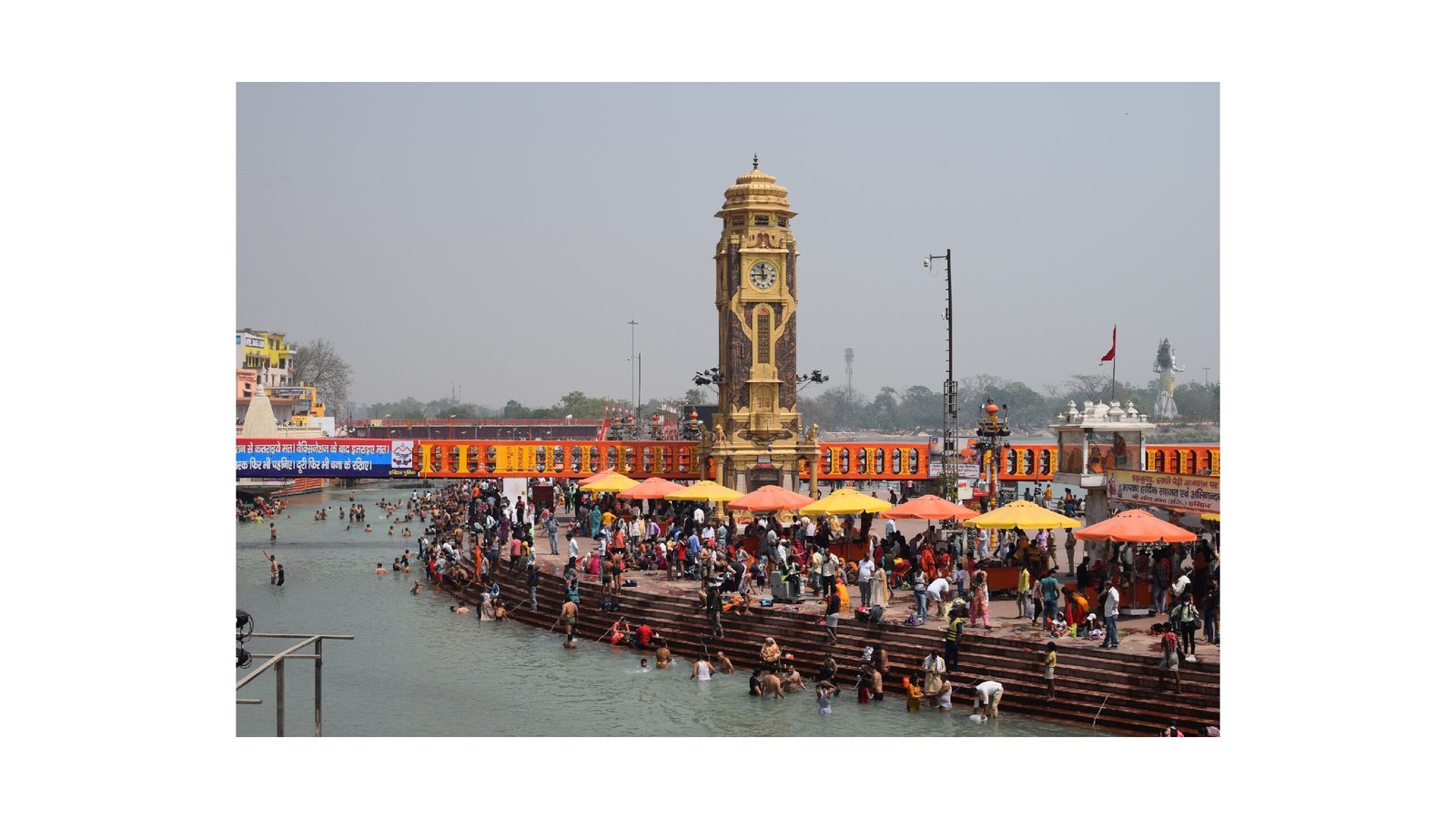
    Haridwar, nestled on the banks of the holy River Ganga in Uttarakhand, is not just a city — it’s a spiritual experience. Known as the “Gateway to the Gods,” this ancient city is among the seven holiest places (Sapta Puri) in Hinduism. Whether you seek divine blessings, spiritual calm, or scenic beauty, Haridwar offers a perfect blend of pilgrimage and tourism.

    In this blog, we explore the best tourist and pilgrimage destinations in and around Haridwar that every traveler must visit.

    1. Har Ki Pauri – The Soul of Haridwar

    No visit to Haridwar is complete without witnessing the evening Ganga Aarti at Har Ki Pauri. The flickering oil lamps, devotional chants, and reflection of lights on the Ganga create an ethereal ambiance. Devotees believe a dip here washes away sins and grants moksha.

    Must-See: Evening Ganga Aarti, Brahmakund, and the footprint of Lord Vishnu.

    2. Chandi Devi Temple – The Hilltop Goddess

    Perched atop the Neel Parvat, this temple is dedicated to Goddess Chandi, a fierce form of Durga. Pilgrims can trek up or take a thrilling cable car ride for panoramic views of Haridwar.

    Tip: Combine it with a visit to Mansa Devi Temple on the opposite hill for a spiritual day out.

    3. Mansa Devi Temple – Wish Fulfiller

    Located on Bilwa Parvat, this temple is dedicated to Goddess Mansa, believed to fulfil wishes. It’s one of the three Siddha Peethas in Haridwar and offers a serene view of the plains and the river.

    How to Reach: By cable car (ropeway) or a steep trek.

    4. Rajaji National Park – Nature Meets Spirituality

    Just a short drive from Haridwar, Rajaji National Park is a haven for wildlife lovers. Spread over 820 sq. km, it houses elephants, leopards, tigers, and over 300 bird species.

    Best Time: November to June
    Activities: Jungle safari, birdwatching, photography.

    5. Shantikunj – Spiritual Growth & Yoga

    Founded by the All-World Gayatri Pariwar, Shantikunj is a spiritual academy offering free training in yoga, meditation, and Indian culture. It’s ideal for seekers looking to elevate their inner peace.

    Bonus: Free accommodation and spiritual discourses.

    6. Rishikesh – Just 20 Km from Haridwar

    Known as the Yoga Capital of the World, Rishikesh is perfect for adventure lovers and spiritual seekers alike.

    Highlights:

    • Lakshman Jhula & Ram Jhula
    • Beatles Ashram
    • River rafting and camping
    • International Yoga Festival (March)

    7. Daksha Mahadev Temple – Mythology Comes Alive

    Located in Kankhal (4 km from Haridwar), this temple is dedicated to Lord Shiva. It is linked to the story of Sati’s self-immolation during Daksha Yajna, making it a vital Shaivite pilgrimage spot.

    8. Maya Devi Temple – One of the Shakti Peethas

    This ancient temple marks the spot where the heart and navel of Goddess Sati fell. It is one of the 51 Shakti Peethas and is visited by thousands during Navratri.

    9. Bharat Mata Mandir – Symbol of Unity

    A unique eight-story temple dedicated India i.e. Bharat Mata herself.  This structure has floors representing freedom fighters, saints, and diverse deities from across the country.

    10. Neel Dhara Pakshi Vihar – Bird Lover’s Paradise

    Located near Chandi Ghat, this bird sanctuary is ideal during winters when migratory birds visit. Perfect for a peaceful walk or photography session along the river.

    Bonus Nearby Destinations:

    • Devprayag: Where Alaknanda and Bhagirathi rivers meet to form the Ganga.
    • Kunjapuri Devi Temple: Famous sunrise point near Rishikesh.
    • Vashishta Gufa: A peaceful meditation cave on the Ganga banks.

    Best Time to Visit Haridwar

    October to March offers the best weather. Avoid the monsoon if you’re planning treks or ropeways.

    Major Festivals:

    • Kumbh Mela (every 12 years)
    • Kanwar Yatra (July-August)
    • Ganga Dussehra, Navratri, Diwali

    Travel Tips:

    • Stay in dharamshalas or riverfront hotels for a spiritual vibe.
    • Respect local customs and avoid plastics.
    • Early morning and evening are ideal for temple visits.

    Final Thoughts

    Haridwar is not just a destination — it’s an experience that rejuvenates the soul. From ancient temples and spiritual centers to pristine forests and holy ghats, Haridwar and its surroundings are a mosaic of faith, nature, and peace. Whether you’re a pilgrim, a nature lover, or a curious traveller, Haridwar welcomes you with open arms.

  • Rajendra Chola I: The Conqueror of Oceans and Architect of a Golden Age

    “Like his father, he ruled the land; unlike his father, he ruled the seas too.”

    When we speak of ancient Indian empires that truly projected power beyond their borders, one name stands tall: Rajendra Chola I. The son of the illustrious Rajaraja Chola I, Rajendra was not just a worthy successor—he was a world-class strategist, administrator, and naval conqueror who took the Chola Empire to its greatest territorial extent.

    In this blog, we dive deep into the legacy of Rajendra Chola I—his early life, military campaigns, administration, contributions to culture and architecture, and why he remains one of India’s greatest rulers.

    Early Life and Ascension

    • Full Name: Rajendra Chola I (Rajaraja Cholan II Rajendra)
    • Born: circa 971 CE
    • Father: Rajaraja Chola I
    • Dynasty: Chola Dynasty
    • Coronation: Circa 1014 CE (co-regent earlier from 1012 CE)

    Rajendra was born into the golden era of the Cholas, under his father’s visionary leadership. Trained in warfare, administration, and Vedic studies, Rajendra emerged as a natural leader and took over the throne after Rajaraja’s death.

    Military Conquests: Expanding a Maritime Empire

    1 Conquest of Sri Lanka

    Following his father’s unfinished mission, Rajendra completed the conquest of Anuradhapura and southern Sri Lanka, effectively bringing the island under Chola control.

    2. Victories in the Deccan

    • Defeated the Western Chalukyas, Yadavas, and Gangas.
    • Took over vast stretches of Andhra Pradesh, Karnataka, and Maharashtra.

    3. Northern Expedition: The Gangaikonda Campaign

    • A historic northward march known as the Gangaikonda Chola campaign.
    • Rajendra’s army marched up to the Ganges River, defeated multiple kingdoms including the Pala Empire of Bengal.
    • He brought back sacred Ganges water and earned the title “Gangaikonda Cholan” (the Chola who brought the Ganges).

    4. Naval Campaigns in Southeast Asia

    This was a landmark achievement in Indian history:

    • Rajendra launched a naval expedition to modern-day Thailand, Malaysia, Sumatra, Java, and Cambodia.
    • Defeated the powerful Srivijaya Empire, showcasing India’s first overseas military intervention.
    • This earned him global prestige and control over key maritime trade routes in the Indian Ocean and Southeast Asia.

    Cultural and Administrative Contributions

    1. Founding Gangaikonda Cholapuram

    • Established a new capital at Gangaikonda Cholapuram after his victorious northern campaign.
    • Built the majestic Brihadisvara Temple, rivalling his father’s temple at Thanjavur.
    • The city became a flourishing centre of art, learning, and trade.

    2. Administrative Efficiency

    • Divided the empire into efficient mandalams (provinces).
    • Maintained records in Tamil and Sanskrit—promoting a dual-language administration.
    • Encouraged local self-government in villages through elected sabhas and organizations.

    3. Patronage of Art & Religion

    • Promoted Shaivism, but also tolerant of other sects.
    • Commissioned temple construction across the empire—Tamil Nadu, Andhra, Odisha, and Sri Lanka.
    • Supported Tamil literature, temple inscriptions, and scholarly works.

    Titles and Honors

    Rajendra Chola I earned numerous titles, such as:

    • Gangaikonda Cholan (Bringer of the Ganges)
    • Kadaramkondan (Conqueror of Kedah)
    • Mummudi Cholan (Wielder of the three crowns—Chola, Chera, Pandya)

    His name appears in Tamil, Sanskrit, and even Southeast Asian inscriptions, a testament to his global influence.

    Global Legacy and Modern Recognition

    • UNESCO Heritage: His temple at Gangaikonda Cholapuram is part of the “Great Living Chola Temples”, a UNESCO World Heritage Site.
    • Naval Power Precursor: Recognized by historians as the first Indian monarch to lead naval expeditions beyond South Asia.
    • Cultural Diplomacy: Strengthened maritime trade, religious exchange, and cultural diplomacy across the Indian Ocean.

    Timeline Highlights

    YearEvent
    1012 CEBecame co-regent under Rajaraja Chola I
    1014 CEOfficially crowned emperor
    1017–1020 CENorthern campaign to the Ganges
    1025 CENaval campaign against Srivijaya Empire
    1033 CEGangaikonda Cholapuram completed
    1044 CEDeath of Rajendra Chola I

    Why Rajendra Chola Matters Today

    In an era dominated by land-based empires, Rajendra Chola built a maritime empire that spread Tamil influence across Southeast Asia. His model of governance, infrastructure, religious patronage, and global vision offer lessons for modern India in:

    • Strategic expansion with cultural respect,
    • Efficient decentralized governance,
    • International trade and diplomacy rooted in soft power.

    Final Thoughts: The Ocean King Who Conquered Without Colonizing

    Rajendra Chola I wasn’t just a conqueror—he was a visionary builder, administrator, and diplomat. His campaigns were bold but also infused with cultural respect, unlike colonial invaders centuries later. From the Ganges to Sumatra, his empire was bound not just by territory, but by shared culture, architecture, and trade.

    His story reminds us that the Indian subcontinent once led the world—not just with swords, but with ships, scriptures, and sacred stones.

  • Golden Legacy: Tracing Gold’s Value from 1901 to 2025 & What Lies Ahead for Investors

    “Gold is not just a metal—it’s a mirror to the world’s economic soul.”

    For over a century, gold has stood as the ultimate symbol of wealth, security, and timeless value. From powering the gold standard era to becoming a hedge against inflation and geopolitical instability, gold’s journey from 1901 to 2025 is as glittering as the metal itself.

    In this blog, we’ll explore:

    • The historical valuation of gold over 120+ years,
    • The factors driving its price over time,
    • The current investment landscape,
    • And the future prospects for investors.

    A Brief Timeline: Gold Price from 1901 to 2025

    YearPrice (USD/oz)Key Events
    1901$20.67U.S. on gold standard; stability era
    1933$35.00U.S. ends gold standard for citizens
    1971$42.22Bretton Woods ends; gold unpegged from USD
    1980$850Inflation + Iran crisis peak
    2000$279Dot-com bubble burst
    2011$1,900Post-2008 crisis hedge
    2020$2,070COVID-19 uncertainty
    2023$1,920Inflation + global recession fears
    2025$2,450 (est.)Central bank buying, de-dollarisation, geopolitical risk

    Note: Figures beyond 2023 are estimates based on market trends and expert projections.

    What Drives Gold Prices?

    1. Inflation & Monetary Policy
      When inflation rises or currencies weaken, investors flock to gold as a store of value.
    2. Geopolitical Uncertainty
      Wars, trade tensions, and pandemics increase gold’s appeal as a safe haven asset.
    3. Central Bank Activity
      Many central banks, especially in emerging markets, are increasing gold reserves to reduce dependence on the U.S. dollar.
    4. Dollar Value Inverse Relation
      Gold typically moves opposite to the U.S. dollar—as the dollar weakens, gold strengthens.
    5. Jewellery Demand & Industrial Use
      While not the biggest driver, consumer demand (especially in India and China) still impacts long-term valuation.

    Gold as an Investment: Performance Over Time

    • Average annual return (1971–2023): ~8.4%
    • Beats inflation: Gold has outpaced U.S. CPI inflation over the long run.
    • Portfolio diversification: Ideal for hedging against equity market volatility.

    If you invested $10,000 in gold in 2000, it would be worth over $85,000 in 2025. Currently 1 USD is equal to Rs. 86.46.

    India’s Relationship with Gold

    India is not just a top consumer of gold but has deep cultural, religious, and economic ties with the metal.

    • 60% of Indian gold demand comes from jewellery.
    • Indians hold over 25,000 tonnes of gold—among the highest private holdings globally.
    • Gold acts as a family asset and informal collateral in rural India.

    Gold’s Future Outlook (2025–2035)

    Bullish Trends:

    • De-dollarisation: Nations like China and Russia diversifying away from USD.
    • Digital Gold & Tokenization: Tech is democratizing gold investing.
    • Increased central bank demand: BRICS+ nations boosting reserves.
    • Persistent geopolitical risks: Middle East, Taiwan, Eastern Europe, etc.

    Risks to Watch:

    • Rising interest rates: Can make bonds more attractive than gold.
    • Crypto alternatives: Younger investors may prefer Bitcoin or tokenized assets.
    • Regulatory shifts: Taxes or curbs on imports/holdings can impact gold’s demand.

    Gold Investment Strategies for 2025 & Beyond

    1. Sovereign Gold Bonds (SGBs)

    • Offered by RBI, with 2.5% annual interest.
    • Tax-free maturity gains after 8 years.
    • Ideal for long-term investors.

    2. Digital Gold & ETFs

    • Small ticket size, high liquidity.
    • No risk of theft or storage cost.

    3. Physical Gold (Coins, Bars, Jewellery)

    • Sentimental value + resale options.
    • But comes with making charges and purity concerns.

    4. Gold Mining Stocks & Mutual Funds

    • Indirect gold exposure; tied to company performance.
    • High volatility but potential for higher returns.

    Gold vs Other Assets (2000–2025)

    Asset ClassAverage ReturnRisk LevelLiquidityInflation Hedge
    Gold~8.4%MediumHighYes
    Equity (Nifty)~12%HighHighNot always
    Real Estate~9%Medium-HighLowPartial
    FD/Savings~5–6%LowHighNo

    Final Thoughts: Is Gold Still Worth It in 2025?

    Absolutely—but with strategy.
    Gold is no longer just a wedding gift or retirement nest. In 2025, it is a geopolitical hedge, portfolio diversifier, and wealth preserver.

    “When all else loses value, gold finds its moment to shine.”

    If you’re planning for long-term stability, protection from inflation, or just want peace of mind in turbulent markets, gold should continue to hold a core place in your investment mix.

  • “Wasted Harvest: The Silent Catastrophe on Our Plates”

    “Wasted Harvest: The Silent Catastrophe on Our Plates”

    Imagine this: a farmer in Punjab carefully tends to rows of golden wheat. After months of toil, he finally harvests a bumper crop—but before it ever reaches a plate, a third of it is lost in transport, spoiled by heat and poor storage. Meanwhile, in a high-rise kitchen thousands of miles away, perfectly good spinach wilts in the fridge before it’s tossed in the bin. In another scenario somewhere in an urban India, quintals of onion produce gets destroyed in the hope of good price while people in metropolis buying onions costing more than Rs 100 per kg. These two moments—one rural, one urban—are worlds apart, yet stitched together by a shared thread: food loss and waste, one of the planet’s most overlooked environmental emergencies.

     The Scale of the Problem: A Global Gluttony of Waste

    According to the UNEP Food Waste Index Report 2024 in 2022 alone, the world wasted 1.05 billion tons of food, precisely about 132 kg per person per year or about one-fifth of all food available to consumers (UNEP, 2024).
    • Households generated 60% of the total food waste, followed by food services (28%) and retail (12%).
    • This translates to over 1 billion meals wasted every single day, while 783 million people globally go hungry (UN News, 2024).

    The Environmental Toll: Wasting More Than Just Food

    Food waste is not just about what’s scraped off our plates—it’s about everything that went into producing it:

    • Water: Agriculture consumes 70% of global freshwater. Wasting food wastes the water used to grow it (FAO, 2013).
    • Energy: Food production and transport require large amounts of fossil fuels and electricity.
    • Land: Nearly 30% of global agricultural land is used to produce food that is never eaten (FAO, 2013).
    • Climate: Decomposing food in landfills emits methane, a greenhouse gas 25 times more potent than carbon dioxide over a 100-year period (IPCC, 2014). Food waste contributes to 8–10% of global greenhouse gas emissions, which is nearly five times more than the entire aviation industry (UNEP, 2024).With a growing global population and rising demand for food, reducing waste is not just a choice—it’s a climate imperative. If food waste were a country, it would be the third-largest emitter of greenhouse gases, after China and the United States (FAO, 2013).

     Behind the Scenes: The Science of Spoilage and Loss

    Food waste is generally classified into two categories:

    1. Food Loss (Pre-consumer)

    Occurs during production, harvest, storage, and transport—especially in low and middle-income countries. For example, India loses up to 30-40% of fruits and vegetables post-harvest, largely due to poor cold storage infrastructure (FSSAI, 2021).

    2. Food Waste (Post-consumer)

    Happens at retail and consumer levels, driven by:

    • Overbuying and poor planning
    • Misunderstood expiry labels
    • Aesthetic standards that reject “ugly” produce

    In richer countries, per capita waste at household level is as high as 80–110 kg/year, compared to 6–11 kg/year in sub-Saharan Africa and South Asia (FAO, 2011).

     From Waste to Wisdom: What Can Be Done?

    For Governments & Industries:

    • Invest in cold chains, silos, and rural roads to reduce pre-consumer loss.
    • Enforce “ugly produce” acceptance in supermarkets.
    • Scale digital solutions for inventory management and food redistribution (e.g., Zomato Feeding India, OLIO app).
    • Launch public-private partnerships for measurement and reporting, as seen in the UK and Japan (UNEP, 2024).

    For Individuals:

    • Learn the difference between “best before” and “use by” dates.
    • Plan meals and buy only what you need.
    • Store food properly and use leftovers creatively.
    • Compost kitchen waste instead of sending it to landfills.
    • Support food banks and rescue organizations.

    A Future Where Every Grain Counts

    The challenge of food waste may seem massive, but it’s one of the few global crises that is entirely preventable. The UNEP emphasizes that with just moderate effort, countries can cut food waste in half by 2030, fulfilling UN SDG 12.3 (UNEP, 2024). It will take a recalibration of our relationship with food—from something cheap and disposable to something deeply valuable. Because when we waste food, we’re not just throwing away calories.
    We’re throwing away land, labor, water, hope and the Earth’s future.

    For more information

    UNEP Food Waste Index Report 2024: https://www.unep.org/resources/publication/food-waste-index-report-2024.

    FAO (2013). Food Wastage Footprint: Impacts on Natural Resources https://openknowledge.fao.org/server/api/core/bitstreams/1694038d-98f7-40f6-be4b-98782544b9f9/content.

    IPCC (2014). AR5 Climate Change Report: IPCC Summary. https://www.ipcc.ch/report/ar5/syr/

  • Beautiful Waterfalls of Kaimur Hills, Bihar

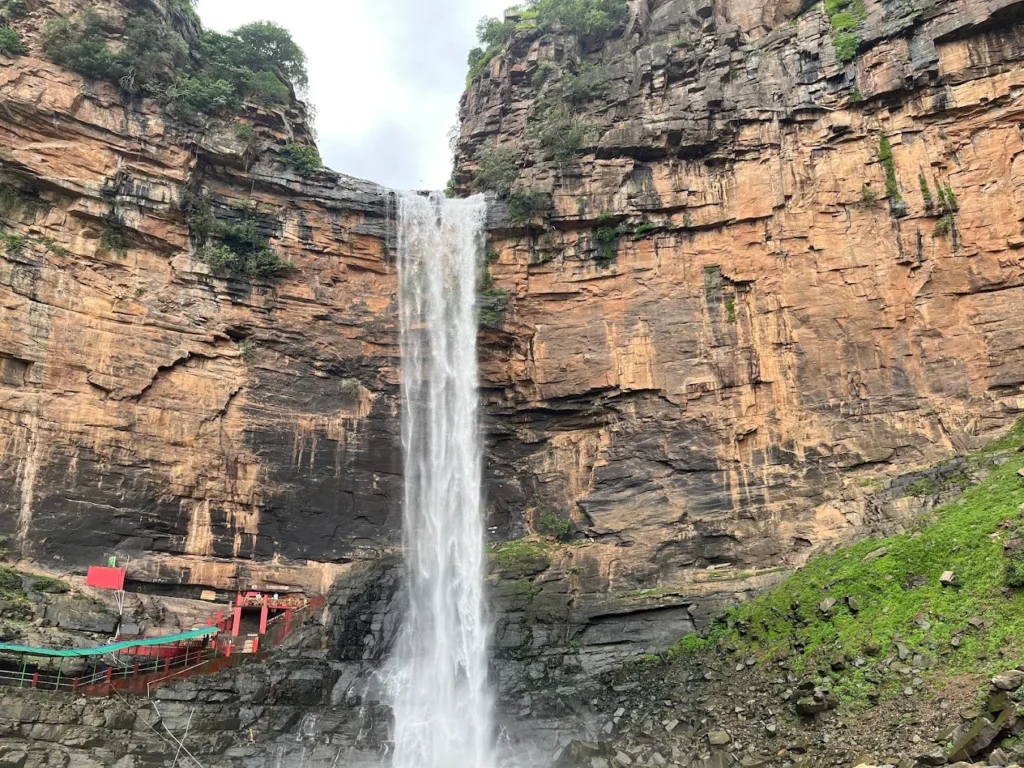
    The Kaimur Hills in Bihar form part of the eastern extension of the Vindhya Range and are known for their breathtaking natural beauty—especially their waterfalls, which come alive during and after the monsoon season. There are more than 200 hundreds of water falls come alive during monsoon season across the stretch of Kaimur hills which spread in South west Bihar and South Easterns part of Uttar Pradesh.  Rich in biodiversity, tribal culture, and ancient rock art, this region is a hidden gem for nature lovers and explorers.

    1. Karkat Waterfall (कर्कट जलप्रपात)

    • Location: Karkatgarh, near Kaimur Wildlife Sanctuary
    • Distance from Bhabua City: 42 Km
    • Highlights: One of the most famous waterfalls in Bihar, set amidst dense forest; popular for picnics and eco-tourism.
    • Best Time to Visit: July to February

    2. Telhar Kund (टेल्हर कुंड)

    • Location: Near Bhabua, on the Rohtas-Kaimur border
    • Distance from Bhabua City: 31 Km
    • Highlights: A scenic waterfall surrounded by hills; excellent spot for trekking and photography.
    • Nearby Attraction: Durgavati River

    3. Dhuan Kund (धुआँ कुंड)

    • Location: Near Chainpur in Kaimur district
    • Distance from Sasaram City: 15 Km
    • Highlights: Named for its misty, smoky appearance as the water gushes down and creates vapors.
    • Special Feature: Sacred among locals

    4. Karamchat Waterfall (करमचट जलप्रपात)

    • Location: Near Bhagwanpur village
    • Distance from Bhabua City: 32 Km
    • Highlights: Relatively lesser-known; serene atmosphere and thick forest surroundings.
    • Ideal For: Offbeat nature lovers

    5. Manjhar Kund (मंझर कुंड)

    • Location: Sasaram-Rohtas (technically close to Kaimur Hills)
    • Distance from Sasaram City: 17 Km
    • Highlights: A twin waterfall with Dhuaan Kund nearby; ideal for short treks.
    • Best Time: Post-monsoon season

    6. Tutla Bhawani Waterfall (तुतला भवानी जलप्रपात)

    • Location: Rohtas district, near Kaimur Hill range
    • Distance from Sasaram City: 30 Km
    • Highlights: Famous for a natural cave and religious significance; has a temple of Goddess Tutla Bhawani.
    • Experience: Sacred + scenic
    • Photo Credit: Anand Sagar, Google.com

    Travel Guidance:

    • Best Season: July to February (after monsoon for best water flow)
    • Nearby Base Towns well connected with Rail, Road and Airport: Bhabua, Mohania, Sasaram
    • Precautions: Avoid solo trekking in remote areas, check with locals or forest officials
    • Recommended Gear: Trekking shoes, water bottles, mosquito repellent

    Why Visit Kaimur Hills Waterfalls?

    • Untouched natural beauty
    • Spiritual and cultural significance
    • Opportunities for ecotourism, trekking, and photography
    • Peaceful alternative to overcrowded hill stations