Blog

  • From the “67 Meme” to Generation Alpha: Understanding Today’s Internet Culture and Generational Divide

    From the “67 Meme” to Generation Alpha: Understanding Today’s Internet Culture and Generational Divide

    Introduction

    In recent months, the internet—especially platforms like Instagram Reels, YouTube Shorts, and TikTok—has been flooded with a curious trend known as the “67 meme.” At the same time, discussions around Generation Alpha, their behaviour, language, humour, and digital habits have become increasingly prominent.

    These trends are not random. They are deeply connected to how generations are shaped by technology, social media, and cultural transitions. This blog explores what the 67 meme is, why it has gone viral, who Generation Alpha is, and how different generations are categorized—offering a clear lens into today’s fast-evolving digital society.

    What Is the “67 Meme”?

    The “67 meme” is a modern internet meme format that revolves around absurd humour, exaggerated reactions, distorted audio, random visuals, and intentionally confusing punchlines. Unlike traditional jokes, the humour of the 67 meme often does not rely on logic or a clear narrative.

    Key Characteristics of the 67 Meme:

    • Nonsensical or surreal content
    • Random numbers, loud sound effects, and abrupt cuts
    • Overstimulating visuals
    • Intentionally “cringe” or chaotic presentation
    • Often ends without a clear conclusion

    The number “67” itself has no fixed or literal meaning. Its randomness is part of the joke. Much like earlier meme numbers such as “69” or “420,” it functions as an inside joke that gains meaning only through repeated cultural use.

    Why Is the 67 Meme So Popular These Days?

    1. Short-Attention Digital Culture

    Modern social media algorithms reward content that captures attention in the first few seconds. The chaotic nature of the 67 meme aligns perfectly with scroll-based consumption habits.

    2. Appeal to Generation Alpha and Late Gen Z

    Younger audiences, especially Generation Alpha, are growing up in a world of constant digital stimulation. Their humour tends to be fast, ironic, self-aware, and abstract—making the 67 meme highly relatable.

    3. Post-Irony and Anti-Humour

    The meme reflects a cultural shift toward post-ironic humour, where jokes are funny precisely because they make little sense.

    4. Low Barrier to Creation

    Anyone can create a 67-meme using basic editing tools, recycled clips, or voice distortions—fuelling rapid replication and virality.

    What Is Generation Alpha?

    Generation Alpha refers to people born approximately between 2010 and 2025. This generation follows Generation Z and is the first generation to be born entirely in the 21st century.

    Defining Features of Generation Alpha:

    • Grew up with smartphones, AI assistants, and streaming platforms
    • Exposed to screens from early childhood
    • Highly visual learners
    • Comfortable with artificial intelligence and automation
    • Shorter attention spans but high multitasking ability

    Unlike previous generations, Generation Alpha is not adapting to technology—it is native to it.

    Why Generation Alpha’s Humour Is Different

    Generation Alpha’s humour is shaped by:

    • Algorithm-driven content
    • Meme remix culture
    • Rapid content turnover
    • Sensory overload

    This explains the rise of trends like the 67 meme, “skull emoji humour,” distorted voices, and exaggerated expressions. Humour is no longer about storytelling—it’s about instant impact.

    Generational Categories Explained

    Social scientists divide modern history into generational cohorts based on shared social, economic, and technological experiences.

    1. The Silent Generation (1928–1945)

    • Grew up during the Great Depression and World War II
    • Value discipline, loyalty, and tradition

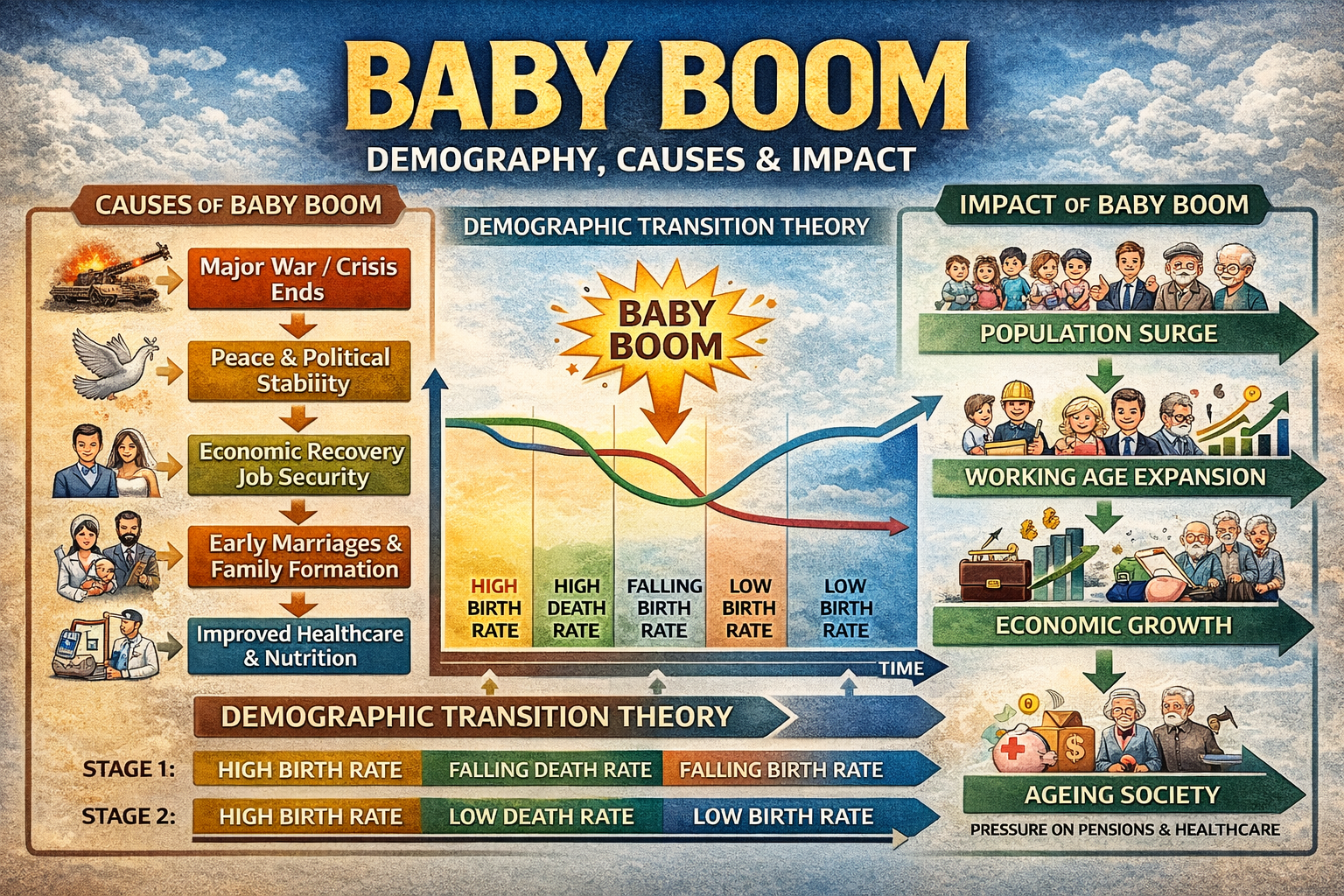
    2. Baby Boomers (1946–1964)

    • Born after World War II
    • Known for economic growth, social movements, and institutional power

    3. Generation X (1965–1980)

    • Witnessed the transition from analog to digital
    • Independent, adaptable, and pragmatic

    4. Millennials (Generation Y) (1981–1996)

    • Grew up during the rise of the internet
    • Value experiences, purpose, and work-life balance

    5. Generation Z (1997–2009)

    • Digital natives of social media era
    • Highly socially aware, meme-driven, and visually expressive

    6. Generation Alpha (2010–2025)

    • Born into AI, touchscreens, and algorithmic media
    • Redefining communication, humour, and learning styles

    How Generations Are Categorized

    Generations are categorized based on:

    • Year of birth
    • Major global events (wars, pandemics, economic crises)
    • Technological milestones
    • Cultural and media environment

    For example:

    • Millennials were shaped by the rise of the internet
    • Gen Z by social media
    • Gen Alpha by artificial intelligence and algorithmic content

    Cultural Impact of Trends Like the 67 Meme

    Trends such as the 67 meme are more than just jokes. They:

    • Reflect generational identity
    • Reveal changing attention patterns
    • Influence language and communication styles
    • Redefine humour and creativity

    What may appear “meaningless” to older generations often holds shared cultural meaning among younger users.

    Conclusion

    The 67 meme is not just a fleeting internet joke—it is a symbol of Generation Alpha’s digital mindset and the evolving nature of online culture. Understanding such trends helps bridge generational gaps and offers insight into how communication, humour, and creativity are changing in the digital age.

    As Generation Alpha grows, their influence will extend beyond memes—shaping education, work culture, entertainment, and society itself.

  • Avatar: The Movie That Built Pandora — Making, Money, Awards, and the Future of a Global Franchise

    Avatar: The Movie That Built Pandora — Making, Money, Awards, and the Future of a Global Franchise

    Introduction: Why Avatar Still Matters

    When Avatar released in December 2009, it was not just another science-fiction film—it was a cinematic revolution. Directed by James Cameron, Avatar merged groundbreaking visual technology with a universal story of conflict, ecology, and identity. The film shattered box-office records, dominated award seasons, and redefined modern filmmaking.

    This comprehensive blog covers every major aspect of Avatar—its creation, budget, box-office earnings in the USA and worldwide, awards and honours, cultural impact, sequels, and future prospects.

    Overview of the Film Avatar (2009)

    Basic Film Details

    • Director & Writer: James Cameron
    • Release Date: December 18, 2009
    • Genre: Science Fiction, Epic, Adventure
    • Production Company: Lightstorm Entertainment
    • Distributor: 20th Century Fox (now 20th Century Studios / Disney)
    • Runtime: 162 minutes

    Story in Brief

    Avatar follows Jake Sully, a paraplegic former Marine who participates in the Avatar Program on the alien moon Pandora. As he integrates with the indigenous Naʼvi people, Jake faces a moral struggle between human corporate exploitation and the preservation of Pandora’s environment and culture.

    The Making of Avatar: A Technological Revolution

    James Cameron first conceived Avatar in the 1990s but delayed production until technology could realize his vision. The film introduced:

    • Advanced performance-capture technology
    • Fully digital yet emotionally expressive characters
    • Immersive stereoscopic 3D
    • Vast, photorealistic alien ecosystems

    Cameron even helped design new camera systems, making Avatar a landmark in cinematic innovation.

    How Much Did Avatar Cost to Make?

    Production Budget

    • Estimated production cost: USD 237 million

    This included:

    • CGI and visual effects development
    • Motion-capture performances
    • Large-scale post-production
    • World-building of Pandora

    Marketing & Distribution

    Marketing and global promotion reportedly added USD 150–200 million, pushing total expenditure beyond USD 400 million, making Avatar one of the most expensive films ever made at the time.

    Box Office Performance — USA and Worldwide

    Domestic (USA & Canada)

    • USD 785+ million

    International Earnings

    • USD 2.14+ billion

    Worldwide Box Office Total

    • USD 2.92–2.93 billion

    Avatar became the highest-grossing film of all time, a title it reclaimed after multiple re-releases.

    Why Avatar Became a Box-Office Phenomenon

    Key reasons behind its historic success:

    • Premium pricing for IMAX and 3D
    • Exceptional word-of-mouth
    • Strong repeat viewership
    • Massive international appeal, especially in China
    • Strategic theatrical re-releases

    Nearly 70% of its revenue came from overseas markets, proving its global resonance.

    Awards and Honors Won by Avatar

    Academy Awards (Oscars) – 2010

    Avatar received 9 Academy Award nominations and won 3 Oscars:

    • 🏆 Best Art Direction
    • 🏆 Best Cinematography
    • 🏆 Best Visual Effects

    Nominations included:

    • Best Picture
    • Best Director (James Cameron)
    • Best Film Editing
    • Best Original Score
    • Best Sound Editing
    • Best Sound Mixing

    Golden Globe Awards

    • 🏆 Best Motion Picture – Drama
    • 🏆 Best Director – James Cameron

    BAFTA Awards

    • 🏆 Best Production Design
    • 🏆 Best Special Visual Effects
    • 🏆 Best Sound

    Critics’ and Industry Awards

    • Multiple Critics’ Choice Awards
    • Visual Effects Society Awards (VFX)
    • Saturn Awards for Best Science Fiction Film
    • Empire Awards and People’s Choice Awards

    Avatar was widely praised for its technical mastery, visual imagination, and immersive storytelling.

    Cultural and Industry Impact of Avatar

    Avatar reshaped Hollywood by:

    • Reviving the global 3D cinema boom
    • Raising standards for visual effects
    • Encouraging studios to invest in long-term franchises
    • Popularizing environmental and indigenous themes in mainstream cinema

    It influenced not just films, but also gaming, theme parks, and virtual production techniques.

    Expansion of the Avatar Franchise

    Avatar: The Way of Water (2022)

    • Budget: USD 350–400 million
    • Worldwide earnings: USD 2.34+ billion

    The sequel proved that Pandora still captivated audiences over a decade later.

    Future Releases

    James Cameron has planned a long-term saga:

    • Avatar 3: Fire and Ash — Released December 2025
    • Avatar 4 — Planned
    • Avatar 5 — Planned (early 2030s)

    Each sequel expands Pandora’s ecosystems, cultures, and emotional depth.

    Future Prospects of the Avatar Franchise

    Box Office Outlook

    While matching the original’s record may be challenging, future films are expected to perform strongly in international markets.

    Streaming & Digital Platforms

    Disney’s ownership ensures continuous revenue via streaming, digital rentals, and licensing.

    Theme Parks & Merchandise

    Pandora attractions at Disney parks and global merchandise continue to generate long-term revenue.

    Critical Reception vs Commercial Success

    Although some critics noted a familiar storyline, Avatar was widely praised for:

    • Technical innovation
    • World-building
    • Cinematic scale

    Audience response translated into sustained box-office dominance.

    Final Thoughts — The Enduring Legacy of Avatar

    Avatar is more than a film—it is a milestone in cinematic history. With record-breaking earnings, multiple prestigious awards, and a visionary franchise roadmap, Avatar has permanently changed how movies are made, marketed, and experienced.

    As Pandora’s story continues to unfold, Avatar remains a testament to the power of imagination, technology, and bold storytelling.

  • The Top 15 Greatest American Poets of All Time: Voices That Shaped a Nation’s Soul

    The Top 15 Greatest American Poets of All Time: Voices That Shaped a Nation’s Soul

    Introduction

    American poetry is not merely an artistic tradition—it is a mirror of the nation’s conscience, struggles, dreams, and transformations. From the transcendental musings of the 19th century to the raw confessions and civil rights voices of the 20th century, American poets have chronicled history while shaping it.

    This blog presents the Top 15 Poets of the United States of America of all time, selected for their literary excellence, cultural influence, originality, and lasting impact on American and world literature. Alongside their famous works, we explore their themes, messages, and role in the evolution of American poetry.

    The Evolution of American Poetry (Brief Overview)

    American poetry evolved through several phases:

    • Early National & Transcendentalist Era (19th century)
    • Romanticism & Realism
    • Modernism (early 20th century)
    • Confessional & Beat Movements
    • Civil Rights & Contemporary Voices

    Unlike European poetry, American poetry emphasized individualism, democracy, nature, social justice, and personal freedom, reflecting the nation’s evolving identity.

    1. Walt Whitman (1819–1892)

    Father of American Free Verse

    Famous Works:

    • Leaves of Grass (1855)
    • Song of Myself
    • O Captain! My Captain!

    Themes & Message:

    Whitman celebrated democracy, the human body, sexuality, nature, and the common man. He broke away from traditional poetic forms, inventing free verse that revolutionized poetry.

    Contribution:

    He gave American poetry its distinct voice, independent of European traditions.

    2. Emily Dickinson (1830–1886)

    The Poet of Inner Life

    Famous Works:

    • Because I could not stop for Death
    • Hope is the thing with feathers
    • I’m Nobody! Who are you?

    Themes & Message:

    Death, immortality, nature, love, and isolation. Her poems are compact yet philosophically profound.

    Contribution:

    Dickinson reshaped poetic expression through unconventional punctuation, slant rhyme, and psychological depth.

    3. Edgar Allan Poe (1809–1849)

    Master of the Macabre and Musical Verse

    Famous Works:

    • The Raven (1845)
    • Annabel Lee
    • To Helen

    Themes & Message:

    Death, madness, loss, beauty, and the supernatural.

    Contribution:

    Poe influenced Symbolism and modern psychological poetry while pioneering gothic aesthetics.

    4. Robert Frost (1874–1963)

    Poet of Rural America

    Famous Works:

    • The Road Not Taken
    • Stopping by Woods on a Snowy Evening
    • Mending Wall

    Themes & Message:

    Nature, choices, human relationships, and moral dilemmas.

    Contribution:

    Frost combined traditional form with philosophical depth, making poetry accessible yet profound.

    5. Langston Hughes (1901–1967)

    Voice of the Harlem Renaissance

    Famous Works:

    • The Negro Speaks of Rivers
    • I, Too
    • Let America Be America Again

    Themes & Message:

    Racial identity, African-American life, equality, and hope.

    Contribution:

    He brought Black voices and jazz rhythms into mainstream American poetry.

    6. T.S. Eliot (1888–1965)

    Architect of Modernist Poetry

    Famous Works:

    • The Waste Land
    • The Love Song of J. Alfred Prufrock
    • Four Quartets

    Themes & Message:

    Spiritual crisis, alienation, modern disillusionment.

    Contribution:

    Though British-American, Eliot transformed modern poetry with fragmented, intellectual verse.

    7. Sylvia Plath (1932–1963)

    Confessional Poetry Icon

    Famous Works:

    • Ariel
    • Daddy
    • Lady Lazarus

    Themes & Message:

    Mental illness, identity, feminism, death.

    Contribution:

    Plath brought emotional honesty and psychological intensity into poetry.

    8. Allen Ginsberg (1926–1997)

    Beat Generation Revolutionary

    Famous Works:

    • Howl
    • America
    • Kaddish

    Themes & Message:

    Anti-establishment views, spirituality, sexuality, political protest.

    Contribution:

    He challenged censorship and reshaped poetic performance and expression.

    9. Maya Angelou (1928–2014)

    Poet of Resilience and Empowerment

    Famous Works:

    • Still I Rise
    • Phenomenal Woman
    • And Still I Rise

    Themes & Message:

    Dignity, racial pride, womanhood, survival.

    Contribution:

    Angelou merged poetry with activism and global humanism.

    10. Henry Wadsworth Longfellow (1807–1882)

    America’s First Popular Poet

    Famous Works:

    • Paul Revere’s Ride
    • The Song of Hiawatha

    Themes & Message:

    Patriotism, history, morality.

    Contribution:

    He popularized poetry among common readers in 19th-century America.

    11. Ezra Pound (1885–1972)

    Champion of Imagism

    Famous Works:

    • In a Station of the Metro
    • The Cantos

    Themes & Message:

    Precision, imagery, cultural critique.

    Contribution:

    He mentored modernist poets and redefined poetic economy.

    12. Carl Sandburg (1878–1967)

    Poet of the American People

    Famous Works:

    • Chicago
    • Fog

    Themes & Message:

    Urban life, labor, democracy.

    Contribution:

    He captured the voice of working-class America.

    13. Wallace Stevens (1879–1955)

    Philosopher-Poet

    Famous Works:

    • Sunday Morning
    • The Idea of Order at Key West

    Themes & Message:

    Imagination, reality, perception.

    Contribution:

    He expanded poetry into philosophical inquiry.

    14. Gwendolyn Brooks (1917–2000)

    First Black Pulitzer Winner

    Famous Works:

    • We Real Cool
    • Annie Allen

    Themes & Message:

    Urban Black life, youth, social justice.

    Contribution:

    She elevated everyday Black experiences into high poetry.

    15. Amanda Gorman (1998– )

    The Contemporary Voice of Hope

    Famous Works:

    • The Hill We Climb (2021)
    • Call Us What We Carry

    Themes & Message:

    Unity, democracy, youth activism.

    Contribution:

    She represents the future of American poetry in the digital age.

    Conclusion

    American poetry is a living tradition—constantly evolving yet rooted in truth, resistance, and imagination. These 15 poets did not merely write poems; they shaped the moral, cultural, and emotional landscape of the United States.

    Their voices continue to inspire readers across generations, proving that poetry remains one of humanity’s most powerful tools for understanding itself.

  • From Elvis’s Granddaughter to Cannes-Winning Director: The Evolving Life of Riley Keough

    From Elvis’s Granddaughter to Cannes-Winning Director: The Evolving Life of Riley Keough

    Introduction

    Born into one of the most iconic families in global pop culture, Riley Keough could have relied solely on her surname. Instead, she carved a path defined by artistic risk, independent cinema, and quiet determination. Today, she stands not only as an acclaimed actor and Cannes-winning filmmaker, but also as the legal and cultural guardian of Elvis Presley’s Graceland — a role that places her at the centre of intense public scrutiny. This is the complete story of Riley Keough: her life, career, personal trials, and the controversies making headlines.

    Who Is Riley Keough?

    Danielle Riley Keough was born on May 29, 1989, in Santa Monica, California, to singer-songwriter Lisa Marie Presley and musician Danny Keough. As the eldest grandchild of Elvis Presley, her childhood unfolded across contrasting worlds — moments of privilege intertwined with periods of relative normalcy. This dual upbringing shaped her grounded public persona and her resistance to celebrity excess.

    Early Career: From Fashion to Film

    Riley began her professional life as a fashion model in her teens, working with major global brands. Yet acting, not modeling, became her true calling. Her early film appearances in The Runaways (2010) and The Good Doctor signaled a preference for character-driven roles rather than commercial stardom.

    Her breakout came with a supporting role in Magic Mike (2012), followed by high-profile appearances in Mad Max: Fury Road (2015). Rather than chasing mainstream fame, Riley consistently gravitated toward independent and unconventional projects.

    Television Success and Artistic Credibility

    Keough earned critical acclaim for her leading role in The Girlfriend Experience, a television series that showcased her emotional depth and fearless screen presence. Years later, she reached a wider audience with Daisy Jones & The Six, where she embodied a complex, musically driven character shaped by ambition and vulnerability.

    These performances firmly established her as an actor respected for craft rather than celebrity lineage.

    Riley Keough the Filmmaker: War Pony

    In 2022, Riley Keough stepped behind the camera as co-director of War Pony, produced through her company Felix Culpa. The film premiered at the Cannes Film Festival and won the prestigious Caméra d’Or for Best First Feature. Its success marked a turning point, confirming her evolution from performer to serious filmmaker with a commitment to authentic storytelling.

    Personal Life: Love, Loss, and Resilience

    Riley married Australian stuntman Ben Smith-Petersen in 2015 after meeting on the set of Mad Max: Fury Road. The couple has since built a private family life, largely away from media attention.

    Her personal journey has also been shaped by profound loss — the death of her brother Benjamin Keough in 2020, followed by the passing of her mother, Lisa Marie Presley, in 2023. These tragedies propelled Riley into a position of immense responsibility within the Presley family.

    Guardian of Graceland and the Presley Legacy

    Following her mother’s death, Riley Keough became the principal heir and trustee of the Presley estate, including Graceland — one of America’s most visited historic homes. Her role involves safeguarding both the cultural legacy of Elvis Presley and the business interests surrounding the estate.

    In 2024, she made headlines for legally challenging an attempted foreclosure sale of Graceland, asserting that key loan documents were fraudulent. The case highlighted her determination to protect the family’s heritage.

    The Latest Controversy: What We Know

    In late 2025, Riley Keough’s name appeared in amended court filings tied to a broader civil lawsuit involving former business associates of the Presley household. The filings included sensational allegations related to a private reproductive matter from over a decade ago.

    It is crucial to note that these claims remain unproven allegations raised within a legal dispute. Representatives connected to the Presley family have strongly denied the assertions, describing them as inflammatory and irrelevant to the core case. As of now, no court has validated these claims.

    Public Image and Cultural Significance

    Riley Keough occupies a rare space in modern celebrity culture — balancing inherited fame with earned artistic respect. She is simultaneously a creative professional, a business custodian of a historic legacy, and a public figure navigating intense scrutiny.

    Unlike many celebrity heirs, Riley has consistently chosen substance over spectacle, letting her work speak louder than headlines.

    Conclusion: Writing Her Own Legacy

    Riley Keough’s story is not just about where she came from, but where she is going. As an actor, filmmaker, and steward of one of the most iconic legacies in entertainment history, she continues to redefine what it means to inherit fame — and transform it into purpose.

  • 10 Eco-Friendly Vacations in India That Won’t Break Your Budget

    10 Eco-Friendly Vacations in India That Won’t Break Your Budget

    Have you ever caught yourself scrolling through travel photos and thinking, I want to go somewhere… but without spending a fortune or feeling guilty about my carbon footprint?
    You’re not alone.

    More and more travelers are quietly shifting their priorities. Fewer luxury checklists. More meaning. More nature. More local connections. And yes—more affordability.
    The good news? In India, eco-friendly travel doesn’t have to be expensive. In fact, it’s often cheaper.

    Here are ten places where you can travel thoughtfully, spend sensibly, and still come back richer in ways money can’t measure.

    1. Sikkim – Where Clean Living Is a Way of Life

    Sikkim doesn’t advertise sustainability loudly—it simply lives it. Plastic is restricted, organic farming is widespread, and tourism is tightly regulated.

    You can stay in homestays run by local families, eat fresh seasonal food, and explore on foot or shared transport.
    The pace is slow here, and that’s part of the charm. The only downside? You’ll need permits for some areas—but the extra effort keeps the region protected.

    2. Hampi, Karnataka – Ancient Stones, Minimal Footprints

    Hampi feels like walking through a living museum. Massive boulders, temple ruins, and quiet riverbanks replace crowded tourist traps.

    Budget guesthouses and bicycle rentals make it easy to explore without burning fuel—or money.
    The challenge is heat, especially in summer, but travel in the early morning or winter months and it’s deeply rewarding.

    3. Ziro Valley, Arunachal Pradesh – Quiet, Green, and Grounded

    Ziro is one of those places that gently forces you to slow down. Home to the Apatani tribe, the valley practices sustainable rice-fish farming that’s been around for generations.

    Accommodation is simple, food is local, and nights are silent in a way cities have forgotten.
    It’s not the easiest place to reach—but sometimes the road itself filters out excess tourism.

    4. Mawlynnong, Meghalaya – Cleanliness That Goes Beyond Appearances

    Often called Asia’s cleanest village, Mawlynnong shows what community-driven eco-tourism looks like.

    There are no luxury resorts here. Just bamboo houses, local guides, and a sense of shared responsibility.
    Visit respectfully—the village’s charm survives only if travelers do their part.

    5. Spiti Valley (Off-Season) – Less Comfort, More Clarity

    Spiti isn’t about convenience. It’s about vast silence, stark beauty, and learning to live with less.

    Traveling in shoulder seasons keeps costs low and crowds thinner. Solar-powered homes and monasteries reflect how people adapt to harsh environments sustainably.
    Yes, facilities are basic—but that simplicity stays with you long after you leave.

    6. Varkala, Kerala – A Calmer Kind of Beach Holiday

    If Goa feels overwhelming, Varkala is its quieter cousin. Cliffside walks, local cafés, and beaches that still feel personal.

    Many guesthouses follow eco-friendly practices, and public transport is easy to use.
    Tourism exists here, but it hasn’t swallowed the soul of the place—yet.

    7. Kutch, Gujarat – Where Culture and Conservation Meet

    Kutch isn’t just a destination; it’s an experience shaped by artisans, salt flats, and resilient ecosystems.

    Staying in community-run bhungas supports local livelihoods and preserves traditional architecture.
    The region can feel harsh and remote, but it teaches you how sustainability often grows from necessity.

    8. Khonoma, Nagaland – India’s First Green Village

    Khonoma made a collective decision to stop hunting and protect its forests. That alone says a lot.

    Tourism here is low-impact, homestay-based, and deeply rooted in local values.
    You won’t find flashy attractions—but you’ll find stories, warmth, and perspective.

    9. Coorg (Homestays, Not Resorts) – Coffee, Forests, and Conscious Choices

    Coorg can go either way—overdeveloped or thoughtfully explored. Choose the latter.

    Family-run homestays inside coffee plantations offer affordable stays with minimal environmental damage.
    Avoid peak weekends, and the region opens up beautifully.

    10. Bundi, Rajasthan – History Without the Crowd

    Overshadowed by Jaipur and Udaipur, Bundi remains refreshingly low-key.

    Walking through its blue lanes, staying in heritage guesthouses, and eating locally keeps both costs and impact low.
    It’s a reminder that sometimes the most sustainable choice is simply choosing the less famous place.

    A Thought to Travel With

    Eco-friendly travel isn’t about being perfect. It’s about being aware.
    Choosing a homestay over a resort. A train over a flight. A local meal over imported comfort.

    When you travel this way, something shifts. You stop consuming places and start experiencing them.

    And maybe that’s the real luxury—travel that feels light on the planet, easy on your wallet, and heavy with meaning.

  • Hanukkah: The Festival of Lights—Faith, Freedom, and the Triumph of Hope

    Hanukkah: The Festival of Lights—Faith, Freedom, and the Triumph of Hope

    Introduction

    Hanukkah, also spelled Chanukah, is one of the most cherished festivals in Jewish tradition. Known as the Festival of Lights, Hanukkah commemorates a historic victory of faith, religious freedom, and spiritual resilience. Celebrated over eight nights, the festival holds deep religious, cultural, and moral significance for Jewish communities across the world.

    More than a historical remembrance, Hanukkah conveys a timeless message to humanity—that light can overcome darkness, faith can endure oppression, and hope can survive against overwhelming odds.

    Historical Background of Hanukkah

    Hanukkah dates back to the 2nd century BCE during the period of Hellenistic rule over Judea. At that time, King Antiochus IV Epiphanes of the Seleucid Empire imposed restrictions on Jewish religious practices and desecrated the Second Temple in Jerusalem.

    In response, a group of Jewish rebels known as the Maccabees, led by Judah Maccabee, rose in revolt. Despite being vastly outnumbered, they reclaimed Jerusalem and restored the Temple.

    The Miracle of the Oil

    When the Temple was rededicated, there was only enough consecrated oil to keep the sacred menorah burning for one day. Miraculously, the oil burned for eight days, until more could be prepared. This divine event became the spiritual foundation of Hanukkah.

    Meaning and Religious Significance

    Hanukkah symbolizes:

    • Religious freedom
    • Spiritual perseverance
    • Divine presence in daily life
    • The victory of faith over forced assimilation

    Unlike many Jewish festivals, Hanukkah is not directly mentioned in the Hebrew Bible but is deeply rooted in Jewish law, tradition, and collective memory.

    Hanukkah Traditions and Rituals

    Lighting the Hanukkiah (Menorah)

    The central ritual of Hanukkah is lighting the Hanukkiah, a nine-branched menorah:

    • Eight branches represent the eight days of the miracle
    • The ninth candle, called the Shamash, is used to light the others

    Each night, one additional candle is lit, accompanied by blessings and hymns.

    Prayers and Songs

    Special prayers such as Hallel and Al HaNissim are recited, expressing gratitude and remembrance. Traditional songs like “Ma’oz Tzur” (Rock of Ages) are sung in homes and synagogues.

    Food Traditions: Remembering the Miracle

    Foods cooked in oil are central to Hanukkah, symbolizing the miracle of the oil:

    • Latkes (potato pancakes)
    • Sufganiyot (jelly-filled doughnuts)

    These dishes connect everyday life with sacred memory.

    Games and Family Customs

    The Dreidel Game

    A traditional spinning top called the dreidel is played during Hanukkah. Each side bears a Hebrew letter forming the phrase:
    “Nes Gadol Haya Sham”
    (A great miracle happened there)

    Hanukkah Gelt

    Children often receive gelt (chocolate coins or money), reinforcing lessons of generosity, charity (tzedakah), and joy.

    Hanukkah in the Modern World

    Today, Hanukkah is celebrated across Israel and the global Jewish diaspora. Public menorah lightings, interfaith gatherings, and cultural programs reflect its universal appeal.

    In pluralistic societies, Hanukkah has also become a symbol of:

    • Respect for religious diversity
    • Cultural coexistence
    • Freedom of belief

    Message of Hanukkah to Humanity

    The message of Hanukkah transcends religion:

    • Light over Darkness: Even a small flame can dispel immense darkness.
    • Faith and Courage: Standing firm in belief can change the course of history.
    • Freedom of Conscience: Every individual has the right to practice their faith.
    • Hope and Resilience: Miracles are born from perseverance and unity.

    In a world facing conflict, intolerance, and despair, Hanukkah reminds humanity that moral courage and spiritual integrity can illuminate even the darkest times.

    Why Hanukkah Matters Today

    Hanukkah is not merely a festival of remembrance—it is a celebration of enduring values:

    • Resistance against oppression
    • Preservation of cultural identity
    • Peaceful coexistence rooted in mutual respect

    Its teachings resonate deeply in contemporary global discourse on freedom, human dignity, and inclusiveness.

    Conclusion

    Hanukkah stands as a powerful testament to the enduring strength of faith, hope, and light. Through its rituals, history, and message, the festival invites not only Jewish communities but all of humanity to believe in the power of righteousness and the promise of light beyond darkness.

    As the menorah glows brighter each night, Hanukkah gently reminds us that even the smallest act of faith can ignite a lasting flame of hope for the world.

  • How the Wright Brothers Made History on December 17, 1903

    How the Wright Brothers Made History on December 17, 1903

    Introduction

    December 17, 1903, stands as one of the most transformative dates in human history. On this cold, windy morning near Kitty Hawk, North Carolina, two self-taught engineers and visionaries—Wilbur and Orville Wright—successfully achieved the world’s first powered, controlled, and sustained flight of a heavier-than-air aircraft.

    What lasted only 12 seconds in the air forever altered humanity’s relationship with the sky and laid the foundation for modern aviation.

    The World Before Flight

    For centuries, human flight remained a dream confined to mythology, sketches, and failed experiments. While balloons and gliders had achieved limited success, controlled powered flight remained elusive. Many experts of the late 19th century even declared it impossible.

    The Wright brothers, owners of a bicycle shop in Dayton, Ohio, refused to accept that belief.

    Who Were the Wright Brothers?

    Wilbur Wright (1867–1912)

    A thoughtful and analytical mind, Wilbur focused heavily on aerodynamics and flight control.

    Orville Wright (1871–1948)

    Mechanically gifted, Orville specialized in engines, construction, and hands-on experimentation.

    Neither brother had a college degree, yet their methodical experimentation, data collection, and engineering intuition set them apart from all previous aviation pioneers.

    Why Kitty Hawk?

    The Wright brothers chose Kitty Hawk for three critical reasons:

    1. Strong, steady winds ideal for lift
    2. Soft sand dunes that reduced crash damage
    3. Isolation, allowing uninterrupted experiments

    Between 1900 and 1903, they conducted extensive glider tests, gradually solving the most critical problem of flight—control.

    The Wright Flyer: A Revolutionary Machine

    The aircraft that made history was called the Wright Flyer. Its key features included:

    • A 12-horsepower gasoline engine, built by the brothers themselves
    • Twin wooden propellers, designed using their own aerodynamic calculations
    • A wing-warping system, allowing control of roll, pitch, and yaw
    • A wooden frame covered with muslin fabric

    Unlike previous attempts, the Wright Flyer could be steered and stabilized in the air.

    December 17, 1903: The Historic Flight

    On the morning of December 17, amid freezing winds, the brothers prepared for their attempt.

    The First Flight

    • Pilot: Orville Wright
    • Distance: 120 feet (36.5 meters)
    • Duration: 12 seconds

    This brief flight marked the first successful powered, controlled flight in human history.

    Subsequent Flights That Day

    Three more flights followed, with the final one piloted by Wilbur Wright covering 852 feet in 59 seconds—proving that powered flight was not a fluke but a repeatable achievement.

    Why This Flight Was Revolutionary

    The Wright brothers accomplished something no one else had:

    • Powered takeoff
    • Sustained flight
    • Controlled navigation
    • Safe landing

    Their success combined engineering, aerodynamics, propulsion, and control—the four pillars of aviation.

    Initial Skepticism and Later Recognition

    Despite their achievement, the Wright brothers initially faced widespread skepticism. Newspapers ignored the story, and many scientists doubted their claims.

    However, by 1908, public demonstrations in Europe and the United States silenced critics. Governments soon recognized the military and commercial potential of flight.

    Impact on the Modern World

    The Wright brothers’ success reshaped civilization:

    • Birth of commercial aviation
    • Transformation of global travel and trade
    • Advancements in military aviation
    • Expansion of scientific research and space exploration

    From passenger jets to space shuttles, every modern aircraft traces its lineage back to that sandy beach at Kitty Hawk.

    Legacy of December 17, 1903

    Today, December 17 is commemorated as a milestone in human ingenuity. The Wright brothers’ journey teaches us that persistence, experimentation, and belief in possibility can overcome even the most deeply held limitations.

    What began as a fragile wooden machine lifted humanity into the age of flight.

    Conclusion

    On December 17, 1903, Wilbur and Orville Wright proved that humans could do more than dream of flying—they could build it, control it, and master it.

    In just 12 seconds, they changed the course of history forever.

  • Why Handmade Holiday Trends Are Stealing Hearts This Season

    Why Handmade Holiday Trends Are Stealing Hearts This Season

    Have you ever unwrapped a gift and felt a little lump in your throat? Not because it was expensive, but because it felt personal, thoughtful, like someone truly understood you? That’s the magic of handmade gifts — and this holiday season, that magic is winning over shoppers like never before. Let’s dive into why these artisanal treasures are stealing the spotlight and how you, whether as a giver or a maker, can tap into this heartwarming trend.

    The Power of Personal Touch

    Let’s be honest: we’ve all gotten gifts that feel, well… generic. A mass-produced gadget or a gift card might get the job done, but it rarely sparks that wow moment. Handmade gifts? They tell a story. They say, “I noticed what you like, I thought of you, and I wanted to create something special.”

    Think about a friend who loves cozy nights by the fireplace. Instead of a generic candle, imagine gifting a hand-poured soy candle in their favorite scent, wrapped in recycled paper, with a tiny handwritten note. That’s the difference — the emotional impact is immediate, and it lingers long after the holidays.

    Why Personalization Matters

    • Emotional connection: Custom items show effort and thought. They make recipients feel seen.
    • Storytelling: Each handmade product has a tale — from the artisan’s inspiration to the unique materials used.
    • Memorability: Unlike mass-produced items, handmade gifts are remembered and cherished.

    Handmade and Sustainable: A Perfect Match

    Here’s the thing: more people are thinking about their impact on the planet. We’re questioning fast fashion, disposable products, and items with enormous carbon footprints. Handmade gifts fit perfectly into this shift.

    • Small-batch production: Less waste, fewer chemicals, and often locally sourced materials.
    • Longevity: Artisanal goods are made to last — sturdy, beautiful, and timeless.
    • Eco-friendly materials: Think recycled metals, organic cotton, soy wax, or upcycled fabrics.

    For example a Local potter Ananya uses clay from a nearby river, glazes with natural pigments, and fires each piece in a traditional kiln. Each mug tells a story — of craft, locality, and environmental consciousness.

    Consumers are noticing. According to recent market insights, eco-friendly and artisanal products are seeing faster growth than generic mass-market items, especially during the holiday season.

    Supporting Small Businesses Feels Good

    There’s something deeply satisfying about knowing your purchase directly supports a person, a family, a community. Small business shopping is no longer just a trend; it’s a movement. “Shop small” campaigns, online marketplaces, and social media platforms have made discovering independent makers easier than ever.

    • Impactful spending: Your money goes directly to artisans instead of multinational corporations.
    • Community connection: Buying local or handmade strengthens communities.
    • Authenticity: Each product has a human behind it, not a machine.

    Affordability Without Sacrificing Meaning

    As we all know holiday budget can feel tight. But here’s a little secret — handmade doesn’t have to break the bank. Micro-gifting, or giving several small, thoughtful items, has become increasingly popular.

    • Bundle small items: Pair a handmade candle with a mini journal and a packet of gourmet tea.
    • DIY collaborations: Work with makers to create mini-customized kits.
    • Perceived value: A hand-crafted item often feels more valuable than a mass-produced product, even if the price is similar.

    Let’s  imagine this “Mia bought three small artisanal soaps from different makers and packaged them in a festive box for her colleagues.” The feedback? Overwhelmingly positive. Handmade gifts allowed her to give multiple meaningful presents without overspending.

    Discovering Handmade: Platforms and Accessibility

    Technology has leveled the playing field for artisans and buyers. Online marketplaces, social media, and curated platforms have made unique gifts more accessible than ever.

    • Etsy, Instagram, and Pinterest: Shoppers can explore trending handmade gifts and connect directly with makers.
    • Seasonal trend reports: Platforms like Etsy highlight what’s hot this holiday, from cozy “Grandma’s Kitchen” vibes to tactile materials like linen and wool.
    • Reviews and social proof: Photos, testimonials, and stories build buyer confidence.

    Always search for local holiday markets or pop-up stores online. Even if you can’t visit in person, many artisans offer virtual shopping experiences.

    Practical Tips for Shoppers

    1. Think personalization first: Ask the maker for custom options — initials, favorite colors, or a short message.
    2. Curate micro-gifts: Combine two or three small handmade items into a thoughtful package.
    3. Support local: Buying from nearby artisans reduces shipping time and environmental impact.
    4. Ask about the story: Learning how an item is made adds depth and connection.

    Suppose, Nina a college girl wanted a meaningful gift for her roommate. She discovered a local artist who made hand-painted notebooks. Nina chose one with a starry night design because it reminded her of their late-night study sessions. And her roommate, of course she will treasure it.

    Tips for Makers: How to Shine This Holiday Season

    If you’re creating and selling handmade goods, here’s how to make your offerings irresistible:

    • Tell the story: Share your inspiration, process, and materials. Buyers love knowing who made their gift.
    • Offer customization: Personalized options make gifts extra special.
    • Create bundles: Pre-packaged kits can boost sales and appeal to micro-gifting trends.
    • Maximize discoverability: Use seasonal keywords, share on social media, and encourage customer photos and reviews.

    Handmade Gift Ideas That Always Delight

    • Food & Drink: Small-batch jams, infused oils, artisanal chocolates.
    • Wearables: Knitted scarves, hand-dyed socks, embroidered patches.
    • Home Decor: Candles, ceramics, woven coasters, embroidered linens.
    • Memory Keepsakes: Custom ornaments, illustrated family prints, handcrafted journals.

    Pro Tip: Think about the recipient’s lifestyle and interests. Handmade gifts feel more thoughtful when they match the person’s personality or daily life.

    Answering Common Reader Questions

    Q: Are handmade gifts more expensive? A: Not necessarily. While some handcrafted items may be pricier than mass-produced goods, many affordable options exist. Bundling smaller handmade items can stretch your budget while keeping the emotional value high.

    Q: Where can I find reliable handmade products? A: Online platforms like Etsy, local craft fairs, and boutique shops are excellent starting points. Look for makers with strong reviews and engaging storytelling.

    Q: How do I ensure the gift is delivered on time? A: Order early! Many artisans need extra time for custom requests, and shipping during the holidays can be unpredictable. Planning ahead ensures your thoughtful gift arrives intact.

    Why Handmade is More Than a Trend

    Here’s the thing: handmade gifts aren’t just a fad. They resonate because they satisfy something deeper. In a world of mass production and fast consumption, people crave connection, authenticity, and meaning. Handmade items check all these boxes. They tell a story, preserve tradition, and create lasting memories.

     Imagine sitting by the fireplace, unwrapping a small box, and holding a hand-stitched ornament. You feel the texture, notice the care in every stitch, and realize this isn’t just an object — it’s a piece of someone’s heart. That’s why handmade matters.

    Final Thoughts

    This holiday season, let’s embrace gifts that speak from the heart. Handmade items are winning over consumers because they offer personal connection, sustainability, support for small businesses, and a unique touch that mass-produced items can’t replicate. Whether you’re shopping or creating, leaning into story, thoughtfulness, and authenticity makes every gift a memorable experience.

    So, next time you’re brainstorming holiday gifts, pause and ask yourself: How can I give something that tells a story, supports a maker, and truly delights the recipient? Handmade is the answer — and it’s a trend that feels like it’s here to stay.

  • Bollywood’s 15 Iconic Hindi Film Songs Based on Indian Classical Rāgas

    Bollywood’s 15 Iconic Hindi Film Songs Based on Indian Classical Rāgas

    Indian classical music has always been the invisible backbone of Hindi cinema. Long before remix culture and electronic beats took over, Bollywood composers drew deeply from Hindustani classical rāgas, transforming them into melodies that were both sophisticated and mass-friendly. These songs not only entertained generations but also introduced classical aesthetics to common listeners—often without them realizing it.

    Here is a list of 15 famous Bollywood songs based on Indian classical rāgas, along with complete details including the composer, lyricist, film, year, and on-screen actors.

    1. Jo Wada Kiya Woh Nibhana Padega

    • Rāga: Pahadi
    • Composer: Roshan
    • Lyricist: Sahir Ludhianvi
    • Singers: Lata Mangeshkar, Mohammed Rafi
    • Film: Taj Mahal
    • Year: 1963
    • Actors on screen: Pradeep Kumar, Bina Rai

    A timeless romantic duet, this song reflects the soft, folk-like grace of Rāga Pahadi, perfectly capturing eternal love against the grandeur of the Taj Mahal.

    2. Kora Kagaz Tha Yeh Mann Mera

    • Rāga: Pahadi
    • Composer: S. D. Burman
    • Lyricist: Anand Bakshi
    • Singers: Kishore Kumar, Lata Mangeshkar
    • Film: Aradhana
    • Year: 1969
    • Actors on screen: Rajesh Khanna, Sharmila Tagore

    This song exemplifies how classical rāgas can be adapted seamlessly into modern romantic expression.

    3. Laaga Chunari Mein Daag

    • Rāga: Bhairavi
    • Composer: Roshan
    • Lyricist: Sahir Ludhianvi
    • Singer: Manna Dey
    • Film: Dil Hi To Hai
    • Year: 1963
    • Actor on screen: Raj Kapoor

    A semi-classical masterpiece, this song is often cited as one of the finest examples of Rāga Bhairavi in Hindi cinema.

    4. Suhani Raat Dhal Chuki

    • Rāga: Pahadi
    • Composer: Naushad
    • Lyricist: Shakeel Badayuni
    • Singer: Mohammed Rafi
    • Film: Dulari
    • Year: 1949
    • Actor on screen: Suresh

    Naushad’s genius lies in presenting classical purity in an emotionally accessible form.

    5. Man Tarpat Hari Darshan Ko Aaj

    • Rāga: Malkauns
    • Composer: Naushad
    • Lyricist: Shakeel Badayuni
    • Singer: Mohammed Rafi
    • Film: Baiju Bawra
    • Year: 1952
    • Actor on screen: Bharat Bhushan

    One of Bollywood’s most celebrated devotional songs, deeply rooted in classical tradition.

    6. Tere Mere Sapne Ab Ek Rang Hain

    • Rāga: Pilu
    • Composer: S. D. Burman
    • Lyricist: Shailendra
    • Singer: Mohammed Rafi
    • Film: Guide
    • Year: 1965
    • Actor on screen: Dev Anand

    Rāga Pilu lends a tender, romantic hue to this philosophical love song.

    7. Mohe Panghat Pe Nandlal

    • Rāga: Khamaj
    • Composer: Naushad
    • Lyricist: Shakeel Badayuni
    • Singer: Lata Mangeshkar
    • Film: Mughal-e-Azam
    • Year: 1960
    • Actor on screen: Madhubala

    A classical dance composition showcasing grace, rhythm, and royal elegance.

    8. Madhuban Mein Radhika Nache Re

    • Rāga: Hameer
    • Composer: Naushad
    • Lyricist: Shakeel Badayuni
    • Singer: Mohammed Rafi
    • Film: Kohinoor
    • Year: 1960
    • Actor on screen: Dilip Kumar

    A technically demanding classical song that remains unmatched in execution.

    9. Poochho Na Kaise Maine Rain Bitai

    • Rāga: Ahir Bhairav
    • Composer: S. D. Burman
    • Lyricist: Shailendra
    • Singer: Manna Dey
    • Film: Meri Surat Teri Aankhen
    • Year: 1963
    • Actor on screen: Ashok Kumar

    An emotionally intense composition where classical depth meets lyrical melancholy.

    10. Jhanak Jhanak Tori Baaje Payaliya

    • Rāga: Darbari Kanada
    • Composer: Naushad
    • Lyricist: Shakeel Badayuni
    • Singer: Manna Dey
    • Film: Mere Huzoor
    • Year: 1968
    • Actor on screen: Raaj Kumar

    This song beautifully demonstrates the majestic seriousness of Darbari Kanada.

    11. Nain So Nain Nahin Milao

    • Rāga: Desh
    • Composer: Naushad
    • Lyricist: Shakeel Badayuni
    • Singers: Lata Mangeshkar, Mohammed Rafi
    • Film: Jhanak Jhanak Payal Baaje
    • Year: 1955
    • Actors on screen: Sandhya, K. Date

    A romantic duet woven around classical dance tradition.

    12. Aaye Sur Ke Panchhi

    • Rāga: Kafi
    • Composer: Vasant Desai
    • Lyricist: Bharat Vyas
    • Singer: Manna Dey
    • Film: Sur Sangam
    • Year: 1985
    • Actor on screen: Girish Karnad

    A rare modern-era film that openly celebrated classical music.

    13. Kaun Aaya Mere Mann Ke Dware

    • Rāga: Rageshri
    • Composer: Madan Mohan
    • Lyricist: Rajinder Krishan
    • Singer: Manna Dey
    • Film: Dekh Kabira Roya
    • Year: 1957
    • Actor on screen: Ashok Kumar

    Madan Mohan’s compositions are often considered a bridge between pure classical and film music.

    14. Tu Ganga Ki Mauj

    • Rāga: Bhairavi
    • Composer: Naushad
    • Lyricist: Shakeel Badayuni
    • Singer: Mohammed Rafi
    • Film: Baiju Bawra
    • Year: 1952
    • Actor on screen: Bharat Bhushan

    A song that embodies surrender, devotion, and classical elegance.

    15. Jyoti Kalash Chhalke

    • Rāga: Yaman
    • Composer: S. D. Burman
    • Lyricist: Shailendra
    • Singer: Lata Mangeshkar
    • Film: Bhabhi Ki Chudiyan
    • Year: 1961
    • Actor on screen: Meena Kumari

    A serene composition reflecting the spiritual calm of Rāga Yaman.

    Conclusion

    These 15 songs stand as living proof that Indian classical music is not confined to concert halls. Through Bollywood, rāgas entered everyday life—played on radios, sung at weddings, and cherished across generations. Even today, these melodies continue to educate, inspire, and emotionally move listeners, silently preserving India’s classical heritage.

  • Prasad, Nirala, Pant, and Verma – The Four Pillars of Chhayavad

    Prasad, Nirala, Pant, and Verma – The Four Pillars of Chhayavad

    In the history of Hindi literature, Chhayavad is not merely a poetic movement; it is a profound cultural and philosophical awakening. It marks a phase when poetry turned inward—exploring the depths of the human soul, emotions, and imagination—while remaining deeply rooted in Indian spiritual and aesthetic traditions. The movement reached its zenith under four towering literary figures: Jaishankar Prasad, Suryakant Tripathi ‘Nirala’, Sumitranandan Pant, and Mahadevi Verma, collectively known as the four pillars of Chhayavad.

    What is Chhayavad?

    Chhayavad was a major romantic–mystical movement in Hindi poetry that flourished roughly between 1918 and 1936. It emphasized individual experience, emotional depth, spiritual inquiry, and the beauty of nature, distinguishing itself sharply from earlier didactic and moralistic traditions.

    The term Chhayavad literally means “the poetry of shadows”—suggesting subtle emotions, inner feelings, and symbolic expression rather than overt narration. This movement gave voice to the poet’s inner self and marked the rise of personal lyricism in modern Hindi poetry.

    Historical and Literary Background

    Chhayavad emerged during a period of social transformation in India—under colonial rule, rising nationalist consciousness, and renewed interest in Indian philosophy. Influenced by Indian Vedantic thought, Bhakti poetry, and Western Romanticism, Chhayavad created a uniquely Indian form of romantic poetry.

    Key Characteristics of Chhayavad Poetry

    1. Subjective Expression

    Chhayavad poetry places the poet’s inner world at the center—personal joy, sorrow, longing, struggle, and self-reflection dominate the verse.

    2. Mysticism and Spirituality

    A deep sense of mysticism connects the soul (atman), nature, and the infinite (brahman). Poetry becomes a medium of spiritual exploration.

    3. Nature as a Living Presence

    Nature is not merely scenic but personified—rivers, clouds, flowers, moonlight, and seasons reflect human emotions and inner states.

    4. Aesthetic Beauty and Imagination

    Chhayavad poetry is rich in imagery, symbolism, musicality, and refined emotional expression, appealing strongly to aesthetic sensibility.

    5. Refined and Classical Language

    Poets favored Sanskritized Hindi, ornate metaphors, and rhythmic flow, giving the poetry a dignified and lyrical tone.

    6. Spiritualized Concept of Love

    Love in Chhayavad is often transcendental, elevating human affection to a divine or metaphysical plane.

    The Four Pillars of Chhayavad

    1. Jaishankar Prasad (1889–1937)

    The Philosopher and Architect of Chhayavad

    Literary Contribution

    Jaishankar Prasad infused Chhayavad with philosophical depth, Indian spiritual traditions, and historical consciousness. His poetry blends emotion with metaphysical inquiry.

    Distinctive Features

    • Profound mysticism
    • Vedantic and cultural symbolism
    • Majestic and Sanskritized diction

    Major Works

    Poetry

    • Kamayani (Epic poem; masterpiece of Chhayavad)
    • Ansu (Tears)
    • Jharna
    • Lahar

    Drama

    • Skandagupta
    • Chandragupta
    • Dhruvaswamini

    2. Suryakant Tripathi ‘Nirala’ (1896–1961)

    The Revolutionary Voice of Chhayavad

    Literary Contribution

    Nirala brought rebellion, realism, and social awareness into Chhayavad, challenging conventional forms and emotions.

    Distinctive Features

    • Free verse experimentation
    • Emotional intensity and empathy
    • Bold individuality and social critique

    Major Works

    Poetry

    • Anamika
    • Parimal
    • Gitika
    • Ram Ki Shakti Puja
    • Saroj Smriti

    Prose

    • Kulli Bhat
    • Billesur Bakriha

    3. Sumitranandan Pant (1900–1977)

    The Poet of Nature and Beauty

    Literary Contribution

    Pant elevated Chhayavad through exquisite nature poetry, celebrating harmony between humans and the natural world.

    Distinctive Features

    • Sensuous imagery
    • Gentle lyricism
    • Visual richness and musical flow

    Major Works

    • Pallav
    • Gunjan
    • Granthi
    • Yugant
    • Lokayatan

    4. Mahadevi Verma (1907–1987)

    The Soul of Chhayavad and the Poet of Compassion

    Literary Contribution

    Mahadevi Verma enriched Chhayavad with intense emotional sensitivity, feminine consciousness, and lyrical sorrow.

    Distinctive Features

    • Themes of pain, separation, and yearning
    • Subtle mysticism
    • Deep empathy and compassion

    Major Works

    Poetry

    • Nihar
    • Rashmi
    • Neerja
    • Sandhyageet

    Prose

    • Shrinkhala Ki Kadiyan
    • Atit Ke Chitra
    • Mera Parivar

    Literary and Cultural Significance of Chhayavad

    • Established individual expression as the core of modern Hindi poetry
    • Integrated Indian philosophy with modern sensibility
    • Elevated poetic language and aesthetics
    • Paved the way for later movements such as Progressivism and Experimentalism

    Conclusion

    Chhayavad represents a luminous chapter in Hindi literature—where poetry became introspective, spiritual, and deeply human. The philosophical vision of Prasad, the rebellious spirit of Nirala, the aesthetic grace of Pant, and the emotional depth of Mahadevi Verma together shaped a movement that continues to inspire readers and scholars alike.

    Chhayavad is not merely a literary movement—it is the celebration of the human soul through poetry.