-
10 Timeless Teachings of the Bhagavad Gita
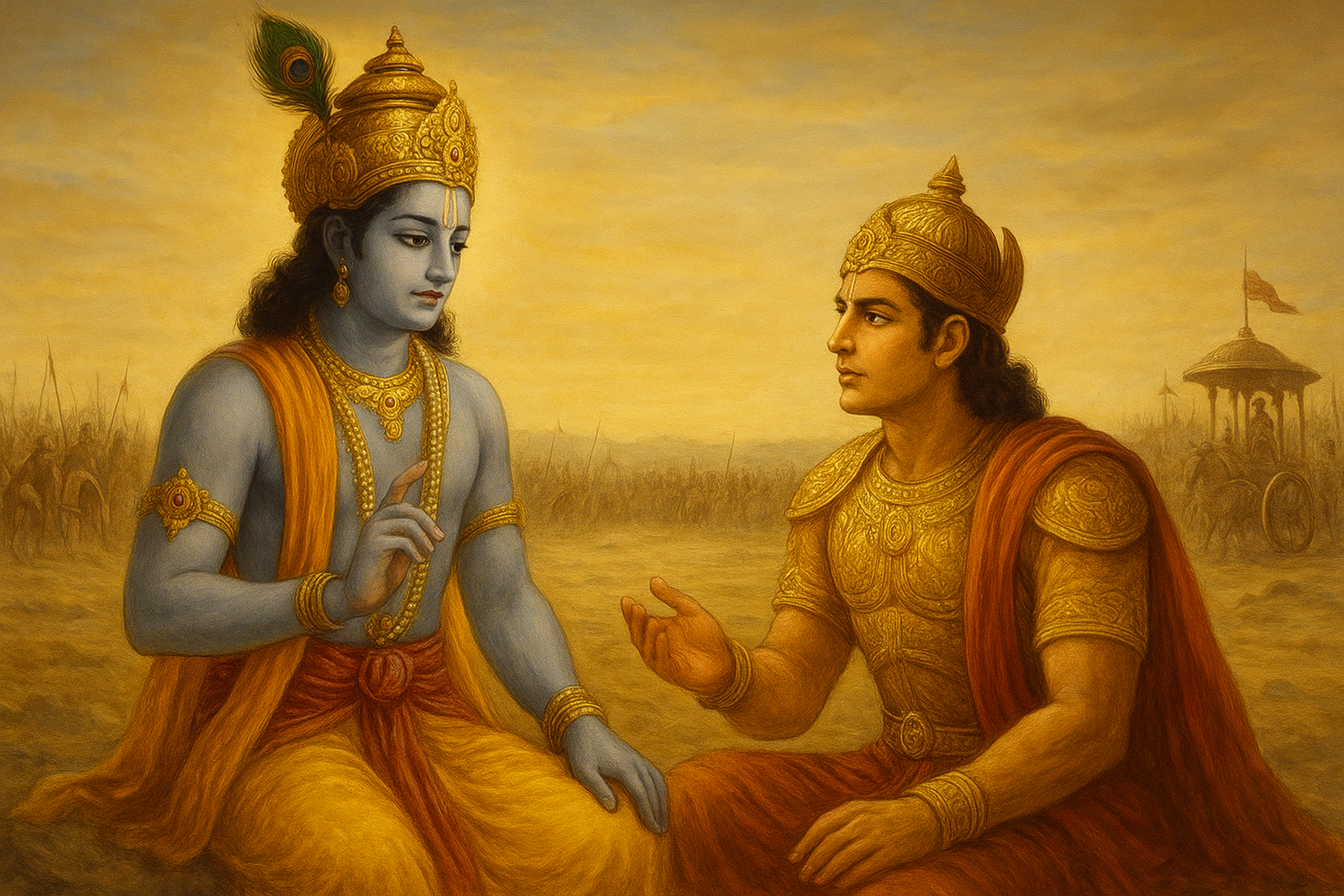
The Bhagavad Gita is one of the world’s greatest spiritual and philosophical treasures. Spoken by Lord Krishna to Arjuna on the battlefield of Kurukshetra, it is much more than a scripture — it is a guide to living wisely, facing challenges with courage, and finding inner peace. Even today, in the midst of our modern…
Written by
-
Lord Buddha’s Madhyam Marg: The Philosophy of the Middle Path
Introduction Among the many teachings of Lord Buddha, the Madhyam Marg — or the Middle Path — is one of the most profound and practical. It is not a philosophy for monks alone, but a way of living that can guide everyone in daily life. At its heart, the Middle Path teaches us to avoid…
Written by

-
Robert Redford: Life, Legacy & What Made Him Truly Unique
Introduction Robert Redford was more than a Hollywood star: over nearly seven decades, he shaped American cinema, championed independent film, and used his visibility for environmental and social causes. He died on September 16, 2025, at age 89, at his home in Sundance, Utah. This article reviews his early life, career, impact, and what made…
Written by

-
Nano Banana AI 3D Figurines:Explanantion of the Viral Gemini
Introduction The internet never runs short of creative AI trends, but the latest craze — Nano Banana AI 3D Figurines on Google Gemini — is taking social media by storm. What started as a fun experiment with Google’s Gemini 2.5 Flash Image model has turned into a global trend where users are transforming their photos…
Written by

-
Groypers Unmasked: Origins, Ideology, and Influence in Today’s Politics
Quick summary “Groyper” refers both to a meme image (a chubby variant of Pepe the Frog) and to a loosely organized far-right movement—often called the “Groyper Army”—associated with Nicholas (Nick) Fuentes. The group presents itself as a younger, “true conservative” flank, but watchdogs, journalists, and researchers widely characterize the movement as tied to white-nationalist, antisemitic,…
Written by

-
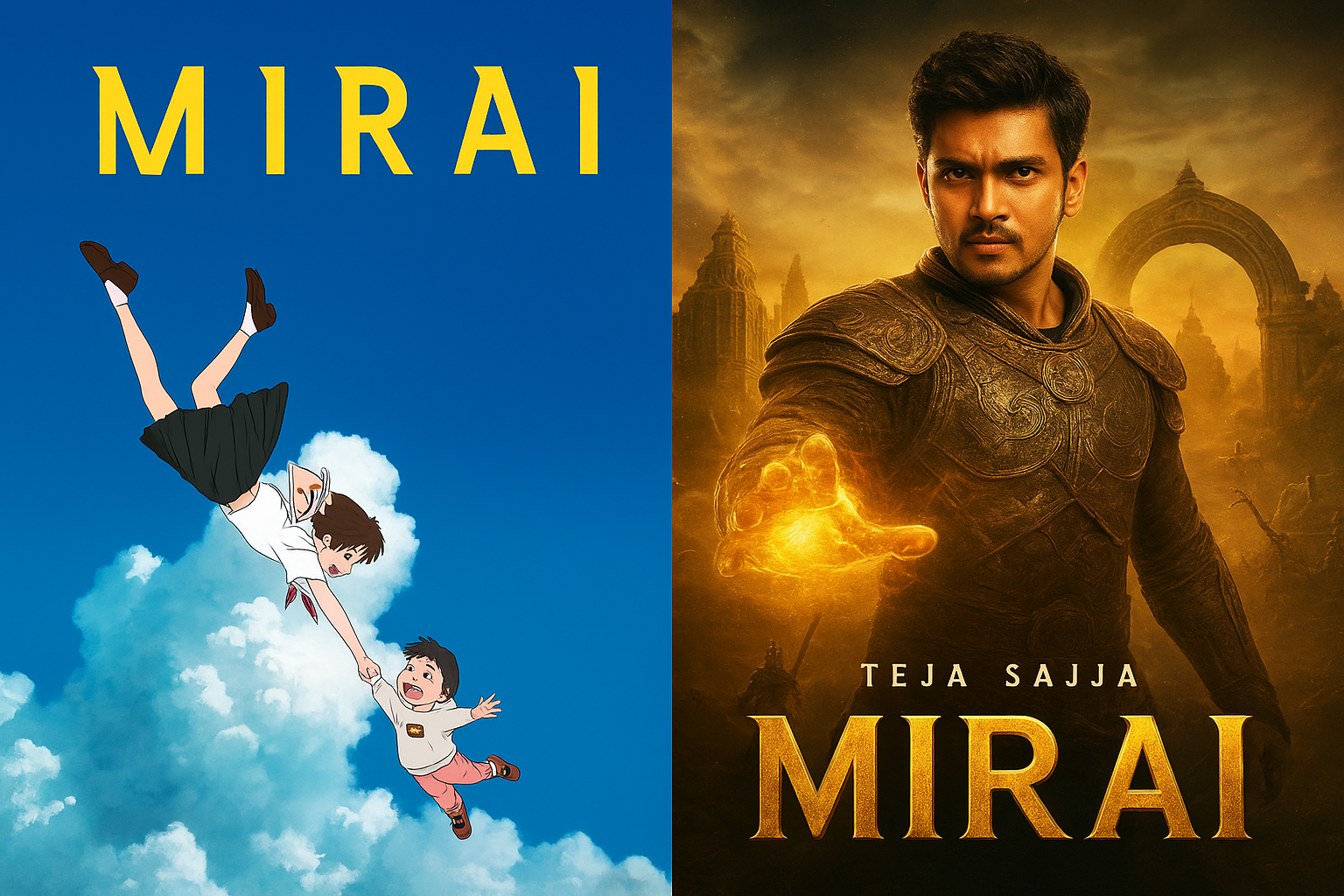
Mirai: From Heartfelt Anime Classic to Indian Fantasy Blockbuster
Introduction The name Mirai now carries two cinematic legacies—one from Japan’s world of heartfelt anime, and another from India’s ambitious fantasy cinema. Both films share the same name but deliver completely different experiences—one intimate and emotional, the other epic and spectacular. Let’s explore both sides of Mirai. Mirai (2018): A Heartfelt Anime About Family and…
Written by
-
Nina Dobrev: Why She Remains Hollywood’s Sweetheart
Introduction When you think of charm, talent, and timeless beauty in Hollywood, one name that instantly comes to mind is Nina Dobrev. Known globally for her breakout role in The Vampire Diaries, Nina has carved her niche as one of the most versatile and admired actresses of her generation. From captivating TV audiences to dazzling…
Written by

-
Colorado School Shooting: Causes, Consequences, and Need to Change
On September 10, 2025, a tragic school shooting occurred at Evergreen High School, Colorado, where a student opened fire, injuring two classmates before taking their own life. This event is not only another heartbreaking instance in a series of school shootings, but also a stark reminder of underlying social, cultural, and policy problems that have…
Written by

-
Charlie Kirk: The Life, Politics, and Legacy
On September 10, 2025, the American political landscape was shaken by the news that Charlie Kirk, the outspoken founder of Turning Point USA, had been shot and killed while speaking at Utah Valley University. His death marked the sudden end of a career that spanned just over a decade yet left an indelible mark on…
Written by