-
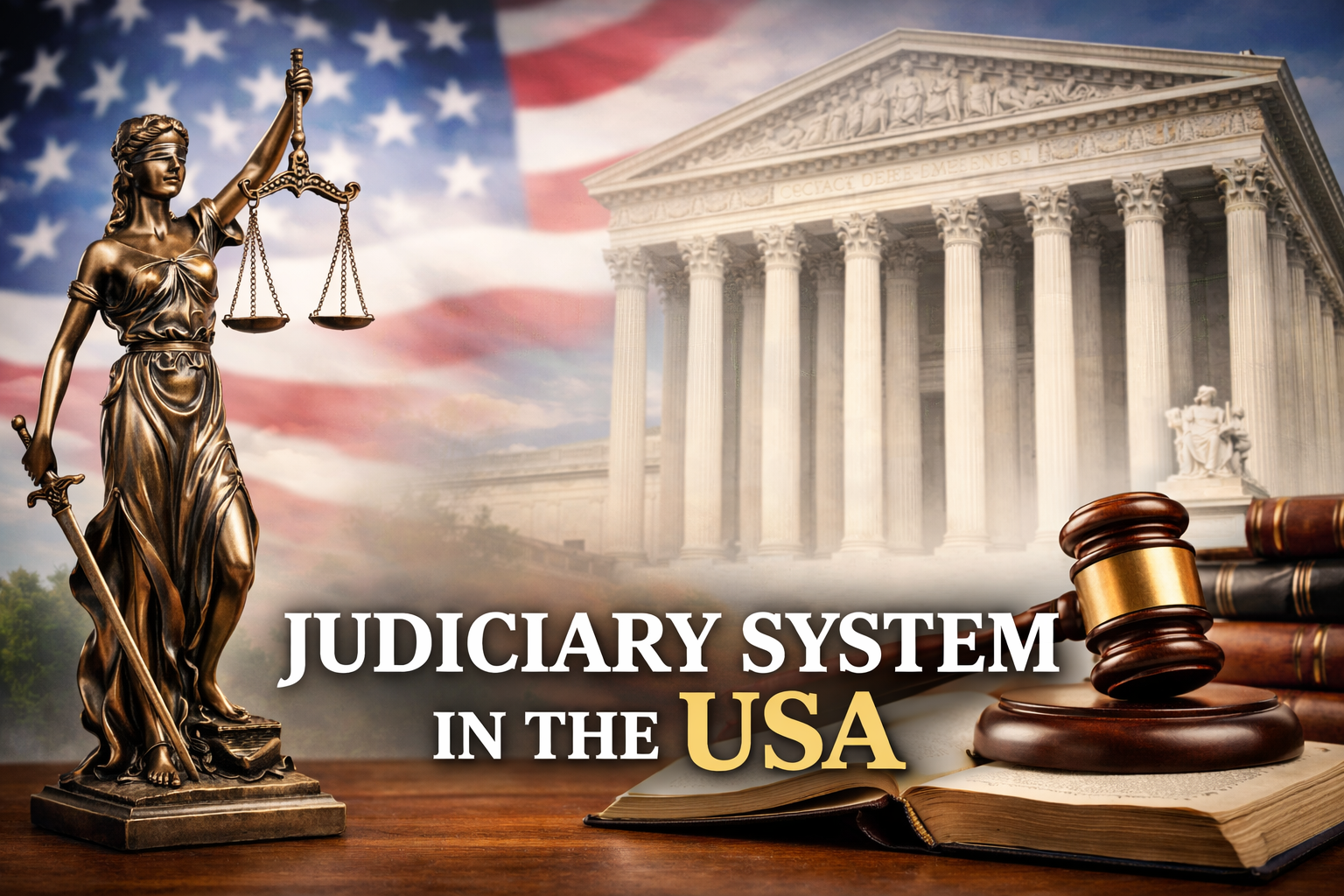
Labor Day in the USA: The Struggle Behind America’s Workers’ Holiday
Every year, on the first Monday of September, the United States celebrates Labor Day—a federal holiday honouring the economic and social contributions of American workers. For many Americans, it marks the unofficial end of summer. But behind the picnics, parades and holiday sales lies a powerful history of workers’ struggles, trade unions and the fight…
Written by
-
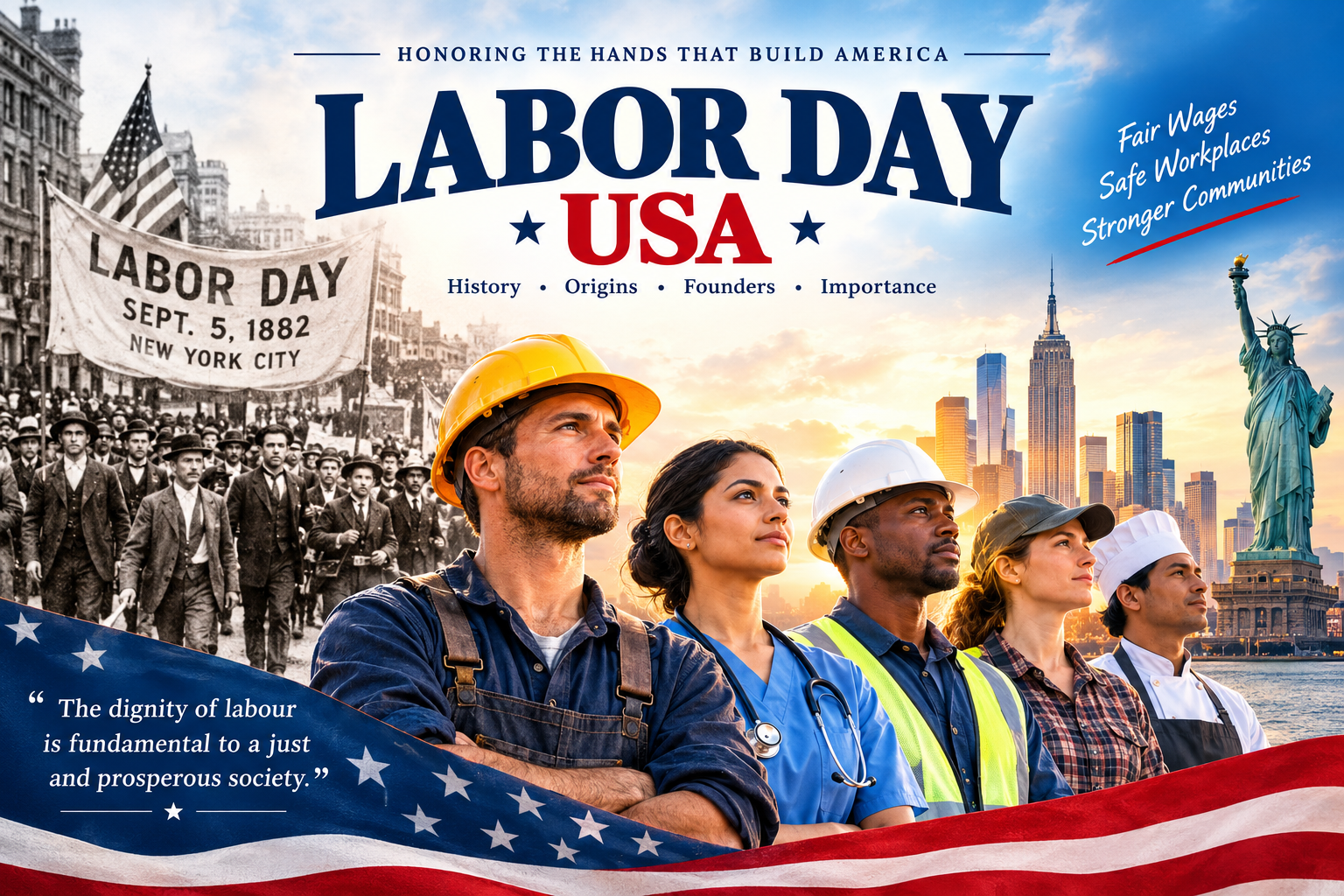
World Heritage Day: Preserving Humanity’s Shared Legacy
What is World Heritage Day? World Heritage Day, officially known as the International Day for Monuments and Sites, is observed every year on 18 April to raise awareness about the importance of cultural and natural heritage across the globe. It was established by the International Council on Monuments and Sites in 1982, and later approved…
Written by
-
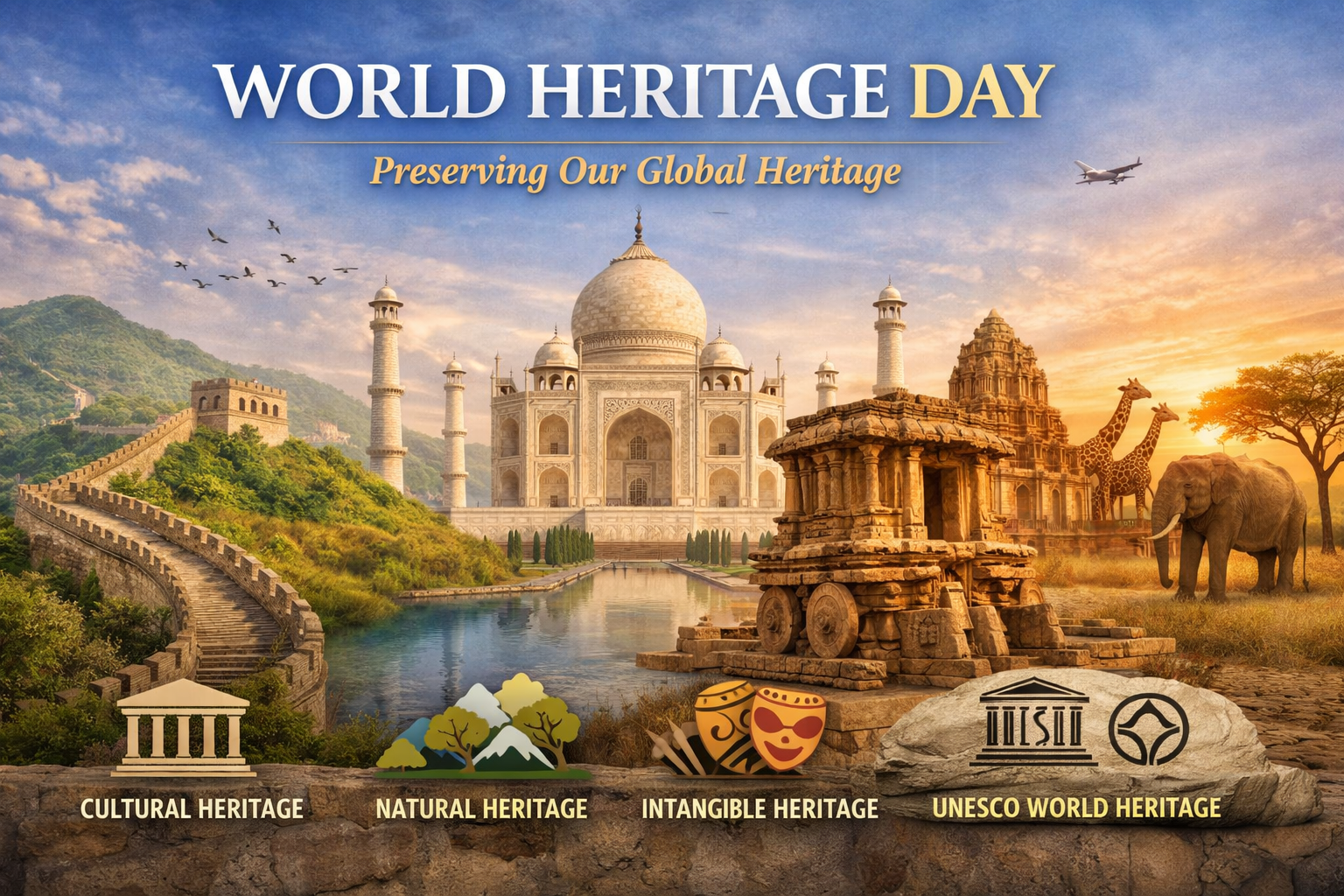
What is Crude Oil? From Earth to Energy
Introduction Crude oil is often called the “black gold” of the modern world—and rightly so. It powers transportation, industries, economies, and even geopolitics. From the fuel in your car to plastics, medicines, and fertilizers—crude oil is deeply embedded in our daily lives. This blog takes you through the entire journey of crude oil—from its origin…
Written by
-
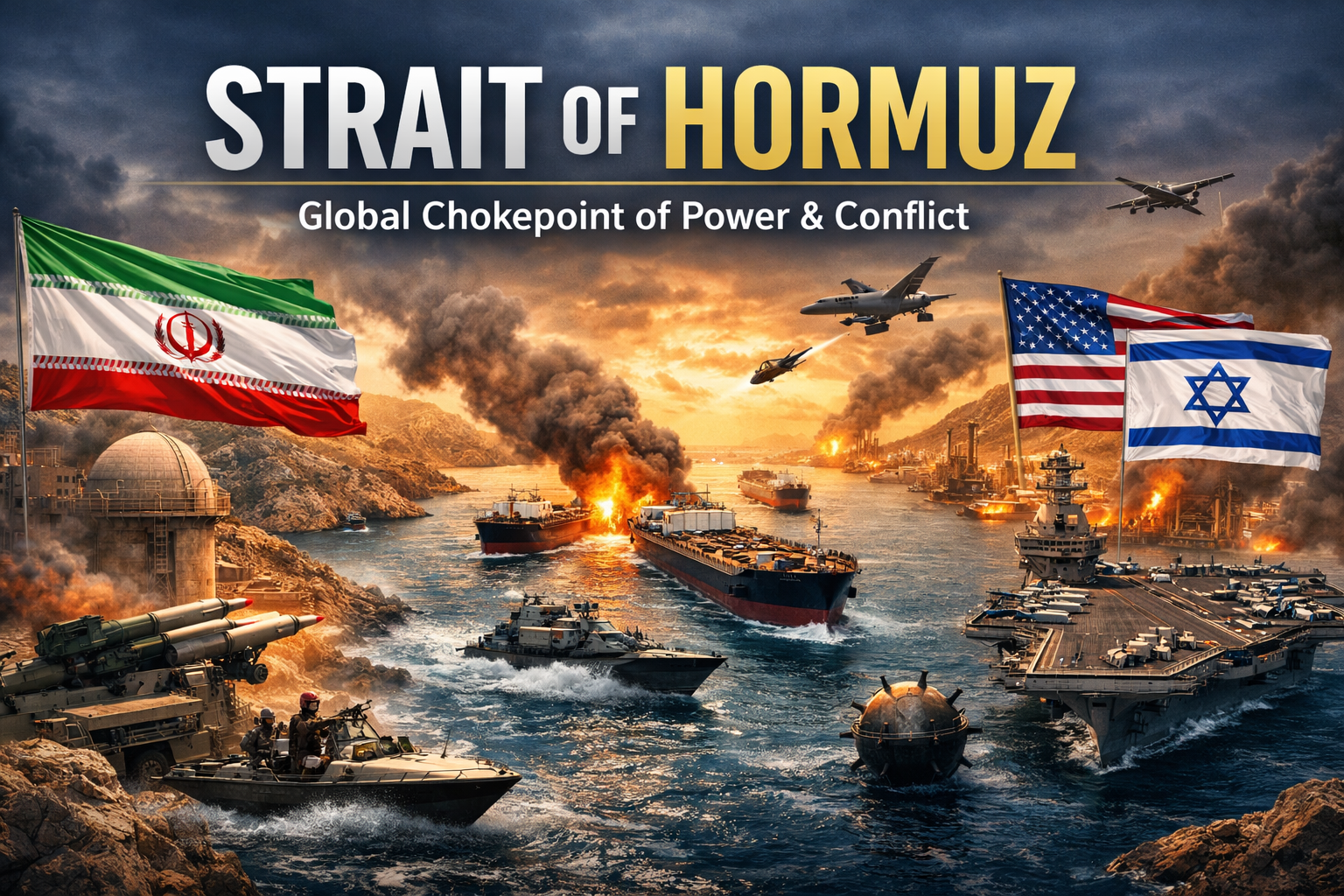
Strait of Hormuz: The World’s Most Strategic Chokepoint
Introduction The Strait of Hormuz is one of the most critical maritime passages in the world. Though narrow in size, it holds immense influence over global energy markets, geopolitics, and international trade. In 2026, it has once again become the epicentre of global tension amid conflict involving Iran, United States, and Israel. What is the…
Written by
-
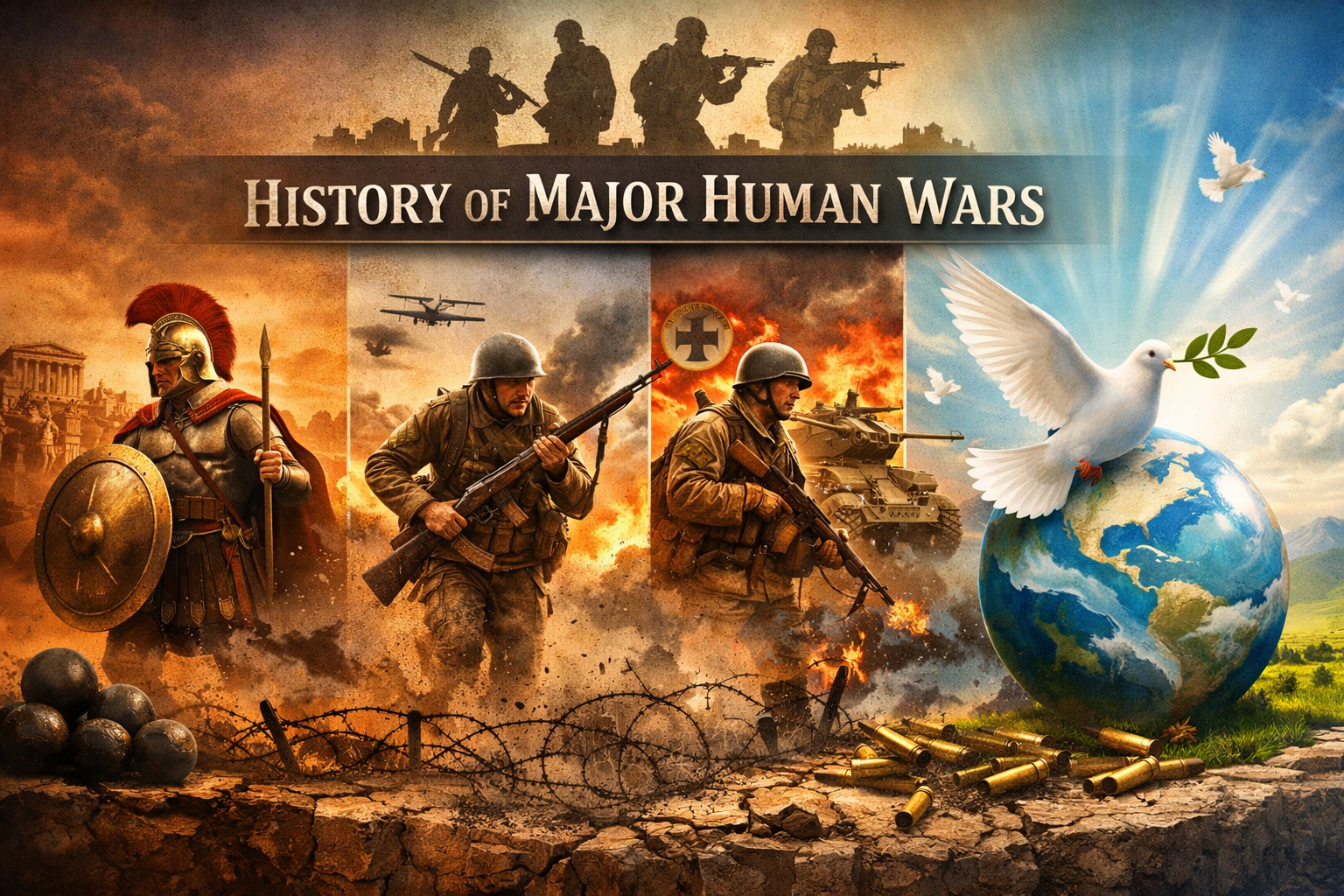
The History of Major Human Wars: Causes, Death Toll, Psychology, and Lessons for Peace
Introduction: Why Do Humans Wage War? War has been a constant companion of human civilization—shaping empires, redrawing borders, and influencing the course of history. From ancient tribal battles to global conflicts involving advanced technology, wars have resulted in unimaginable destruction and loss of life. But the real question is: Why do humans repeatedly engage in…
Written by
-
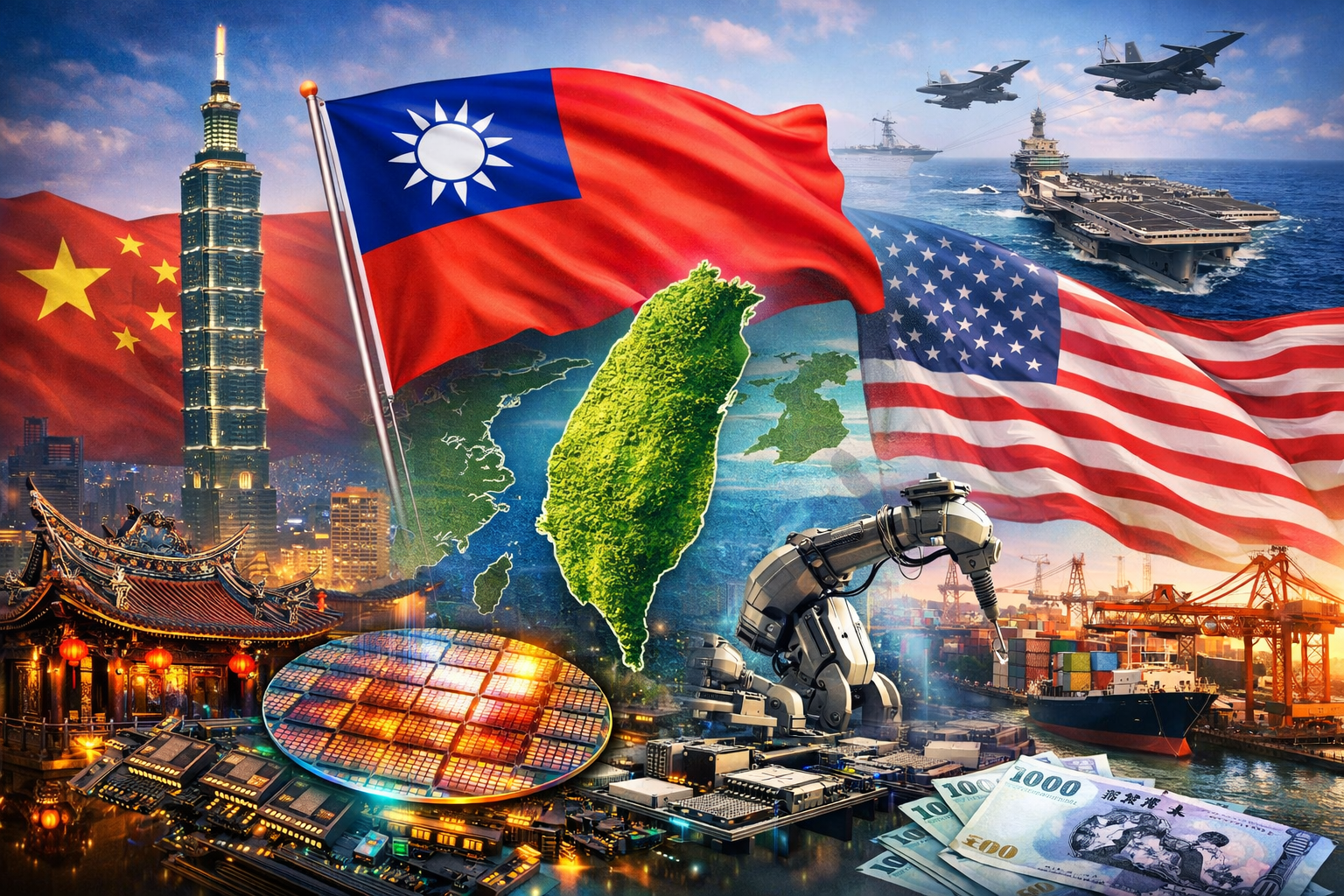
Taiwan: The Island That Powers the Modern World
Taiwan, officially known as the Republic of China, is a small island nation in East Asia that has emerged as one of the most strategically important economies in the world. Despite its modest size, Taiwan sits at the heart of global technology supply chains, particularly in semiconductor manufacturing, and plays a crucial role in geopolitical…
Written by
-
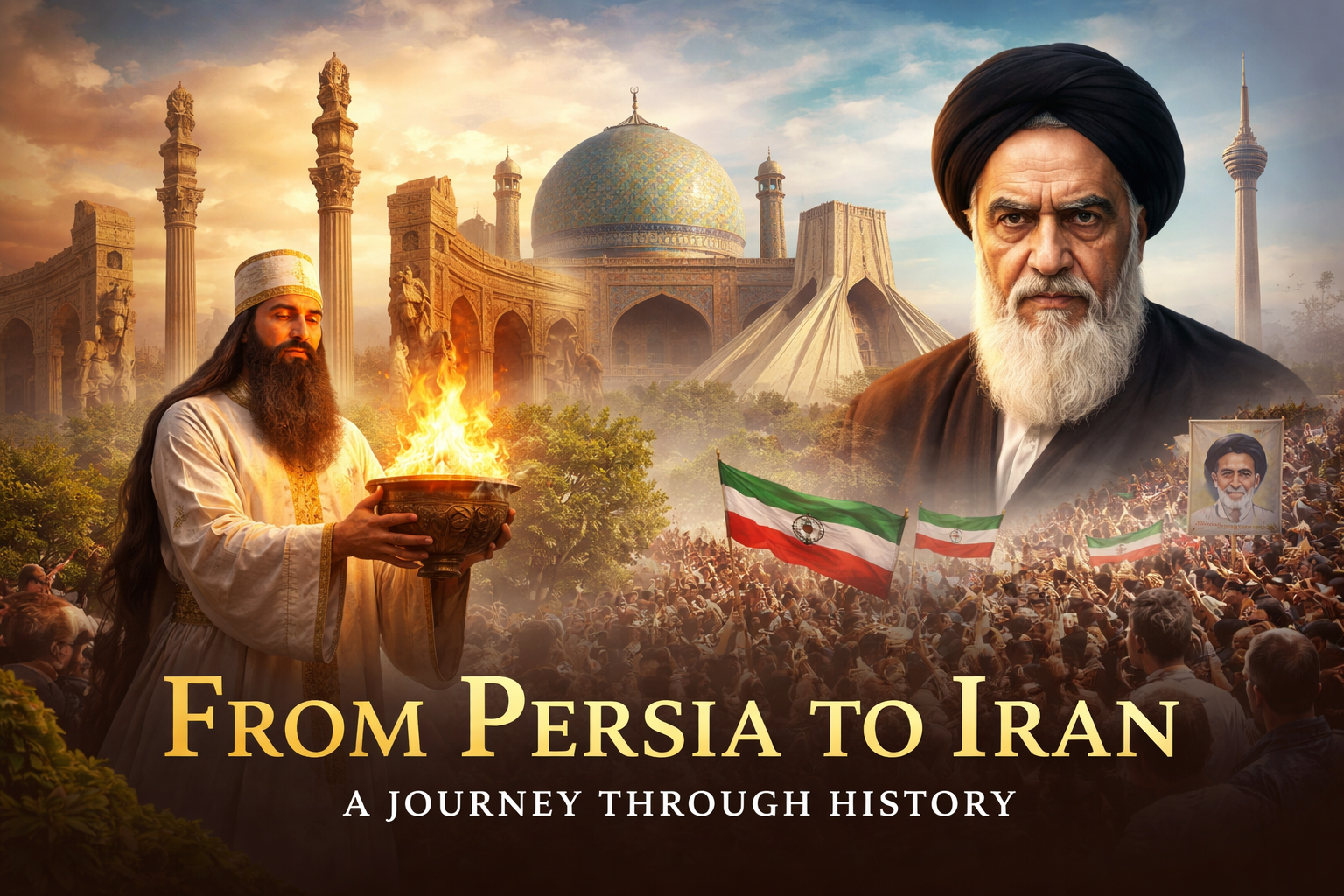
From Persia to Iran: A Civilizational Transformation Across Millennia
The story of Persia’s transformation into modern Iran is one of the most profound civilizational transitions in human history. It spans ancient empires, religious evolution, cultural resilience, and revolutionary political change. At its heart lies the rise and decline of Zoroastrianism, the spread of Islam, and the shaping of a unique Iranian identity. 1. Ancient…
Written by
-
Do you know these key Geographical Concepts?
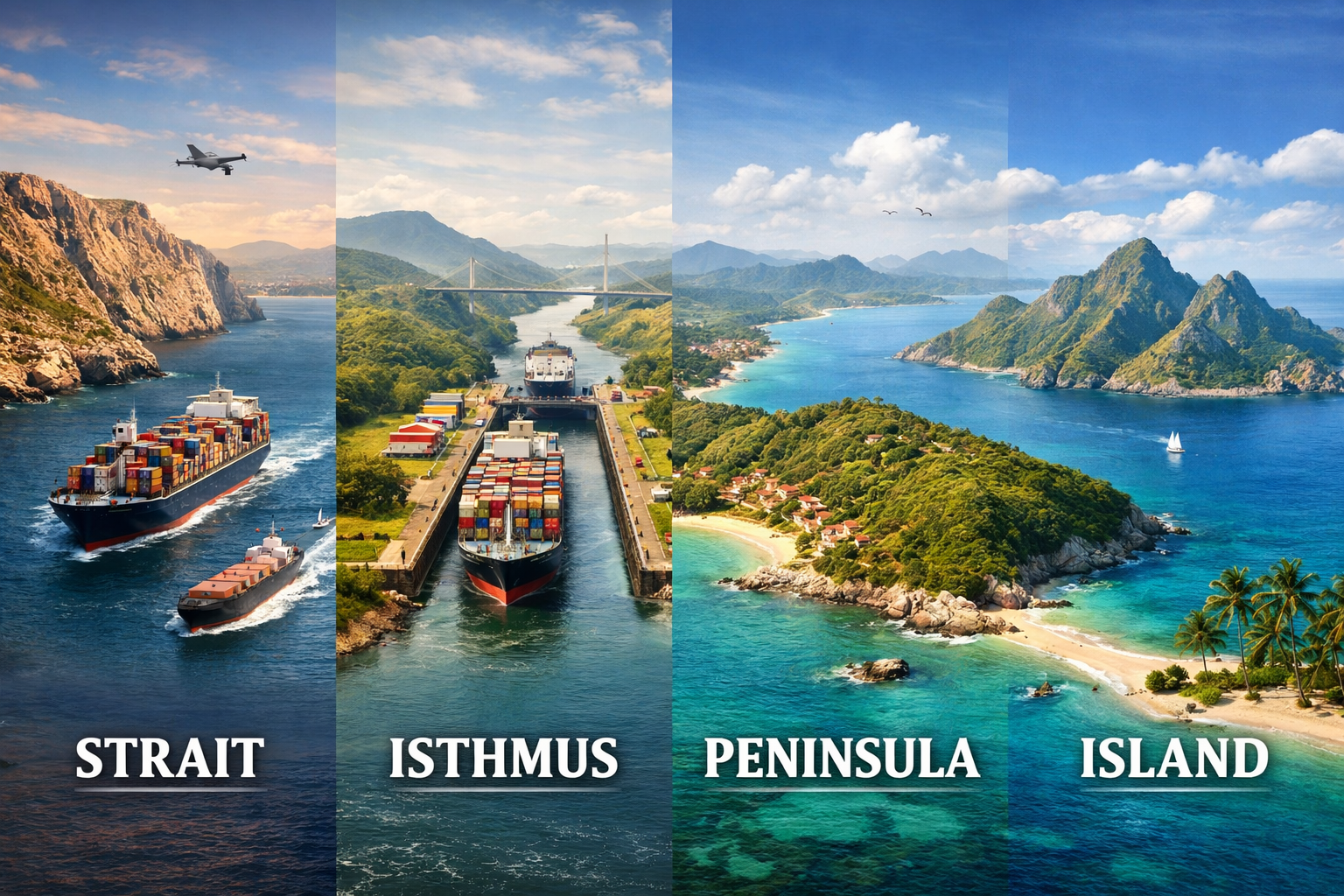
Geography is not only about mountains, rivers, and countries. Some of the most important geographical features that shape global trade, political power, and strategic control are narrow water passages, land bridges, and landforms surrounded by water. Concepts such as straits, isthmuses, peninsulas, and islands play a crucial role in international trade routes, naval strategy, and…
Written by
-
Political Economy: Concept, Evolution, Thinkers, and Its Relevance to India
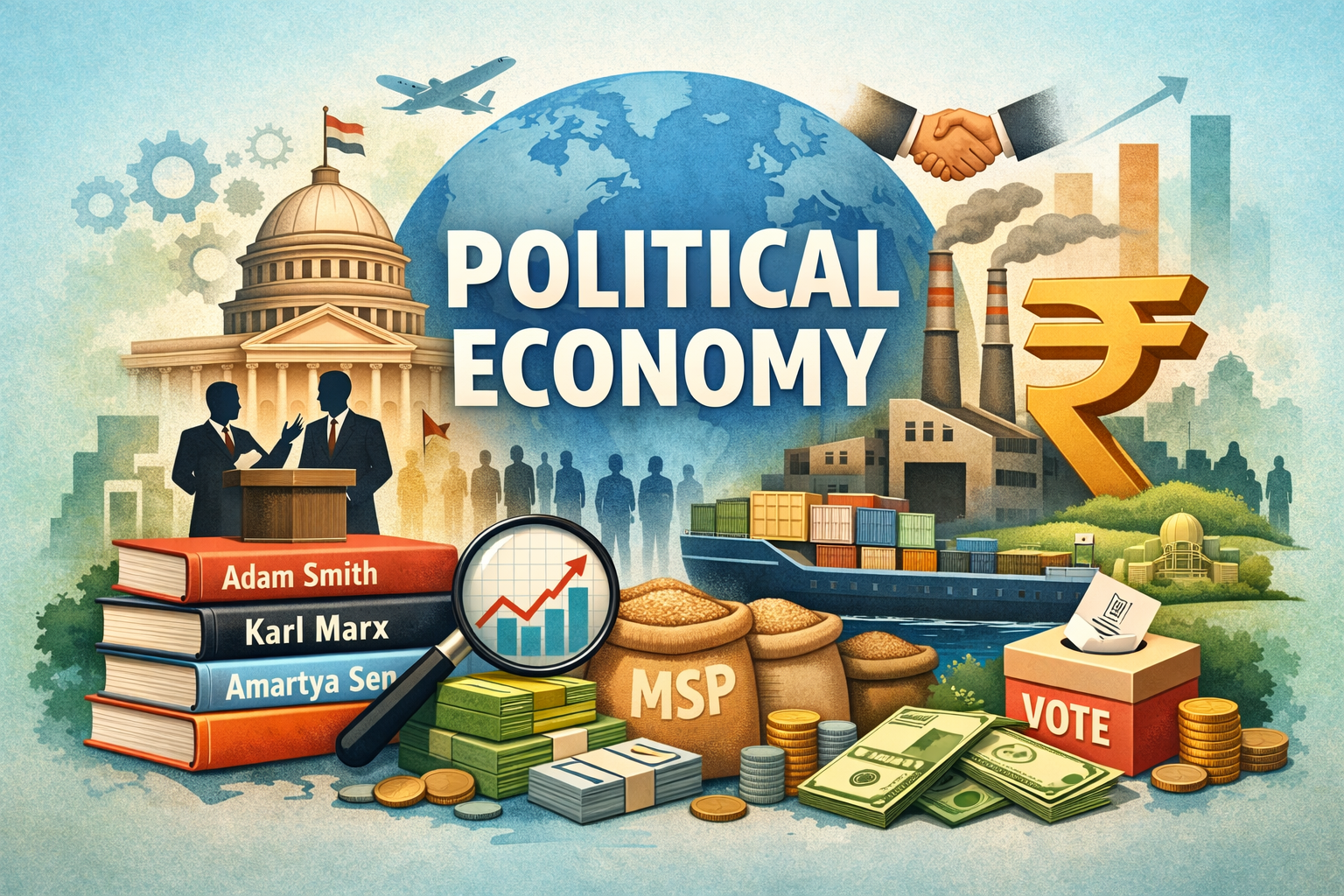
Introduction Political economy is one of the most powerful and interdisciplinary concepts in social sciences. It connects economics and politics, explaining how power, governance, institutions, and policies influence economic outcomes—and vice versa. In simple terms, political economy helps us understand who gets what, when, and how in a society. It examines how laws, political decisions,…
Written by
-
Judiciary System in the United States
The judiciary system of the United States is one of the most structured and influential legal frameworks in the world. Established under Article III of the U.S. Constitution, it serves as the guardian of constitutional principles, protector of civil liberties, and interpreter of federal law. The American judiciary operates through a dual court system—federal and…
Written by