-
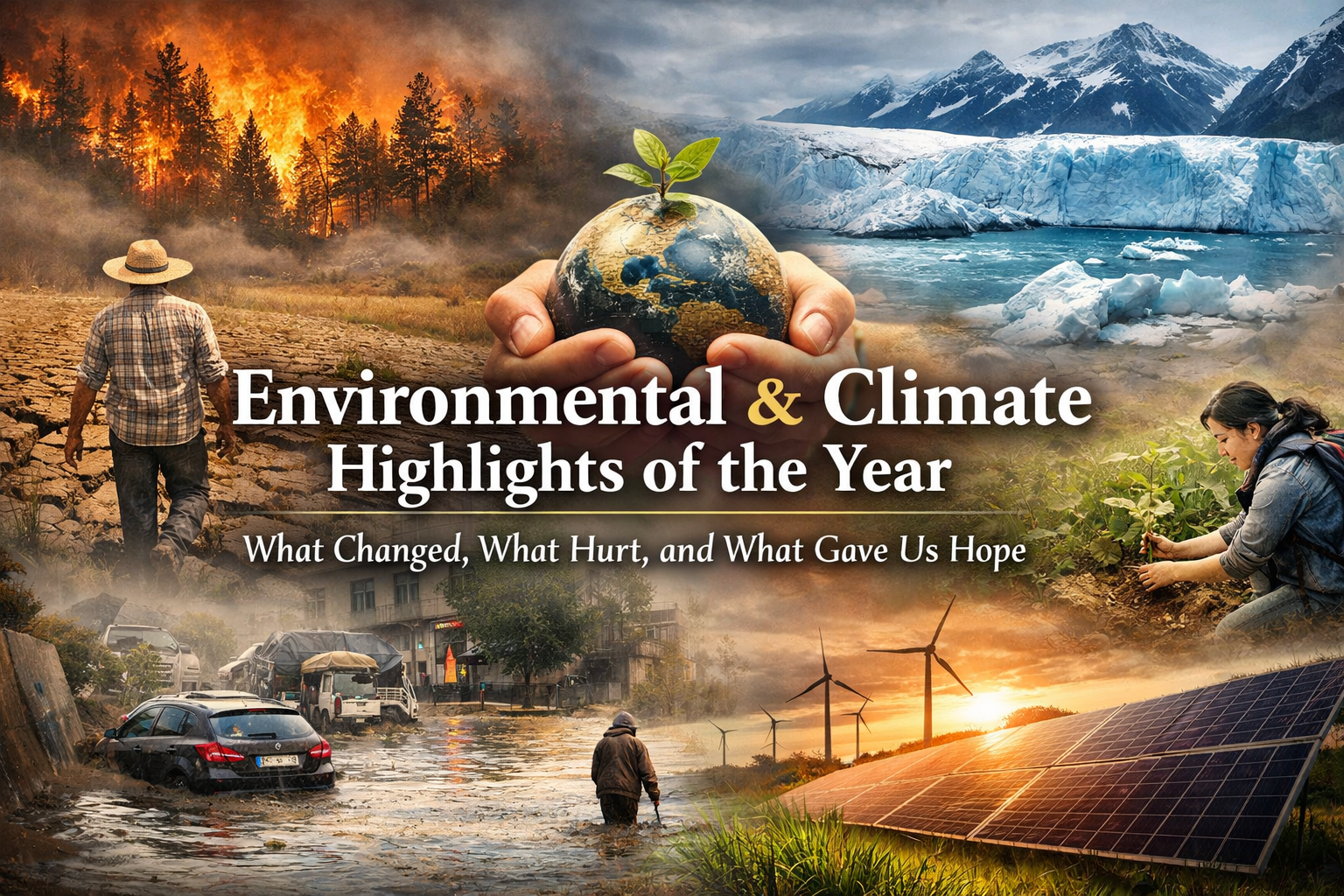
Environmental & Climate Highlights of the Year: What Changed, What Hurt, and What Gave Us Hope
For many of us, this year didn’t begin or end with headlines. It began with sensations.A summer afternoon that felt heavier than usual. A winter morning that arrived late, or barely at all. Rain that didn’t come for weeks—and then arrived all at once, flooding streets, fields, and homes. People remember climate change not through…
Written by
-
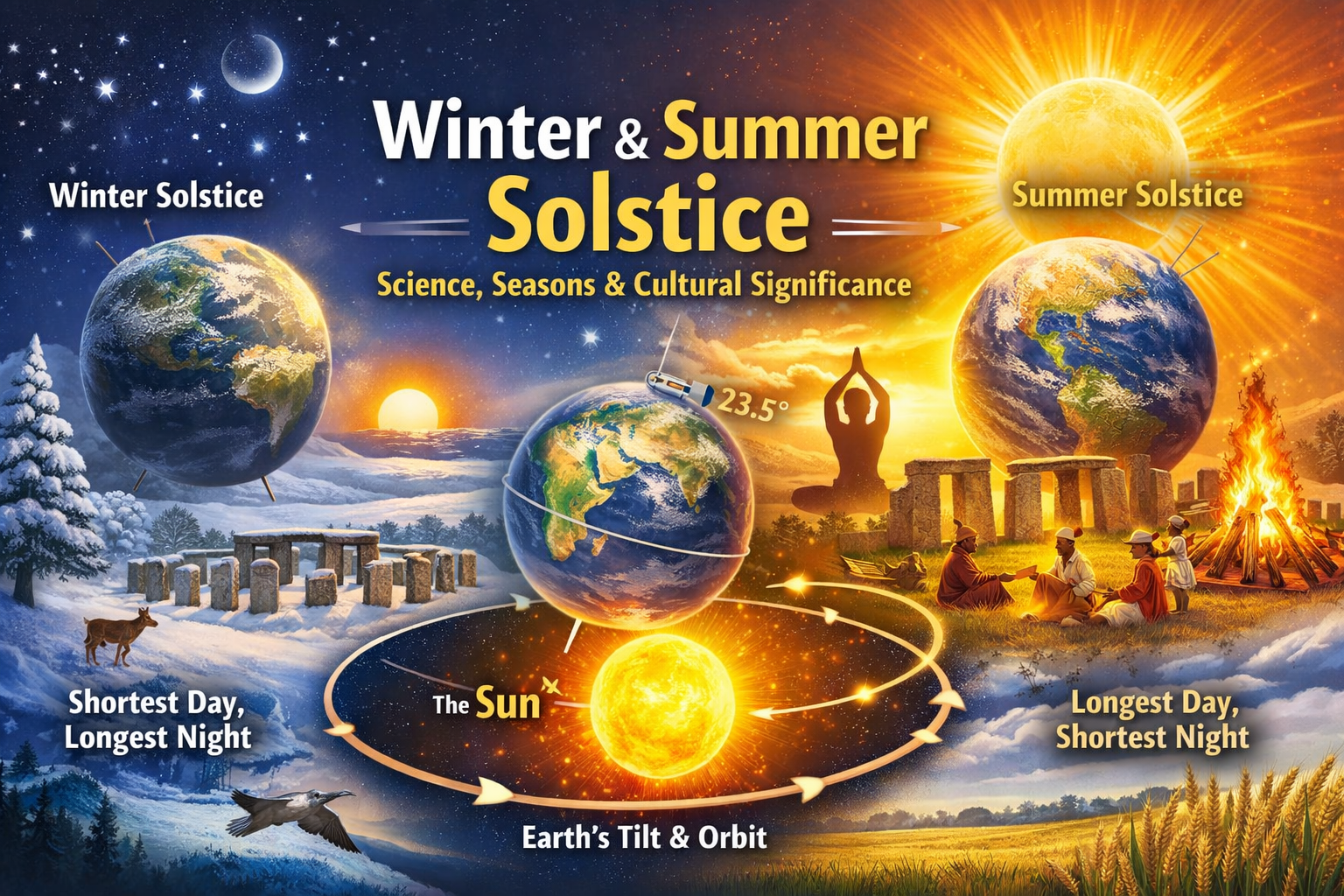
Winter & Summer Solstice: The Science of Earth
Introduction Since the dawn of civilization, humans have observed the Sun’s movement to measure time, plan agriculture, and understand nature. Two of the most important astronomical events in this journey are the Winter Solstice and the Summer Solstice. These events mark the shortest and longest days of the year, shaping seasons, weather patterns, cultural traditions,…
Written by
-
Understanding the Concept of Weather and related Atmospheric Phenomena
Introduction The atmosphere is a dynamic system that continuously influences life on Earth. Terms such as weather, climate, fog, rain, cyclone, and tornado are commonly used, yet often misunderstood. This blog explains these concepts scientifically and systematically, helping readers develop a clear understanding of atmospheric processes and their real-world impacts. 1. What Is Weather? Weather…
Written by

-
National Energy Conservation Day: Powering a Sustainable Tomorrow
National Energy Conservation Day is observed every year to promote energy efficiency, raise awareness about sustainable energy practices, and encourage individuals and organizations to reduce energy consumption for a greener future. Introduction: Why National Energy Conservation Day Matters Every drop of energy we save today is a step toward a cleaner, brighter tomorrow. National Energy…
Written by

-
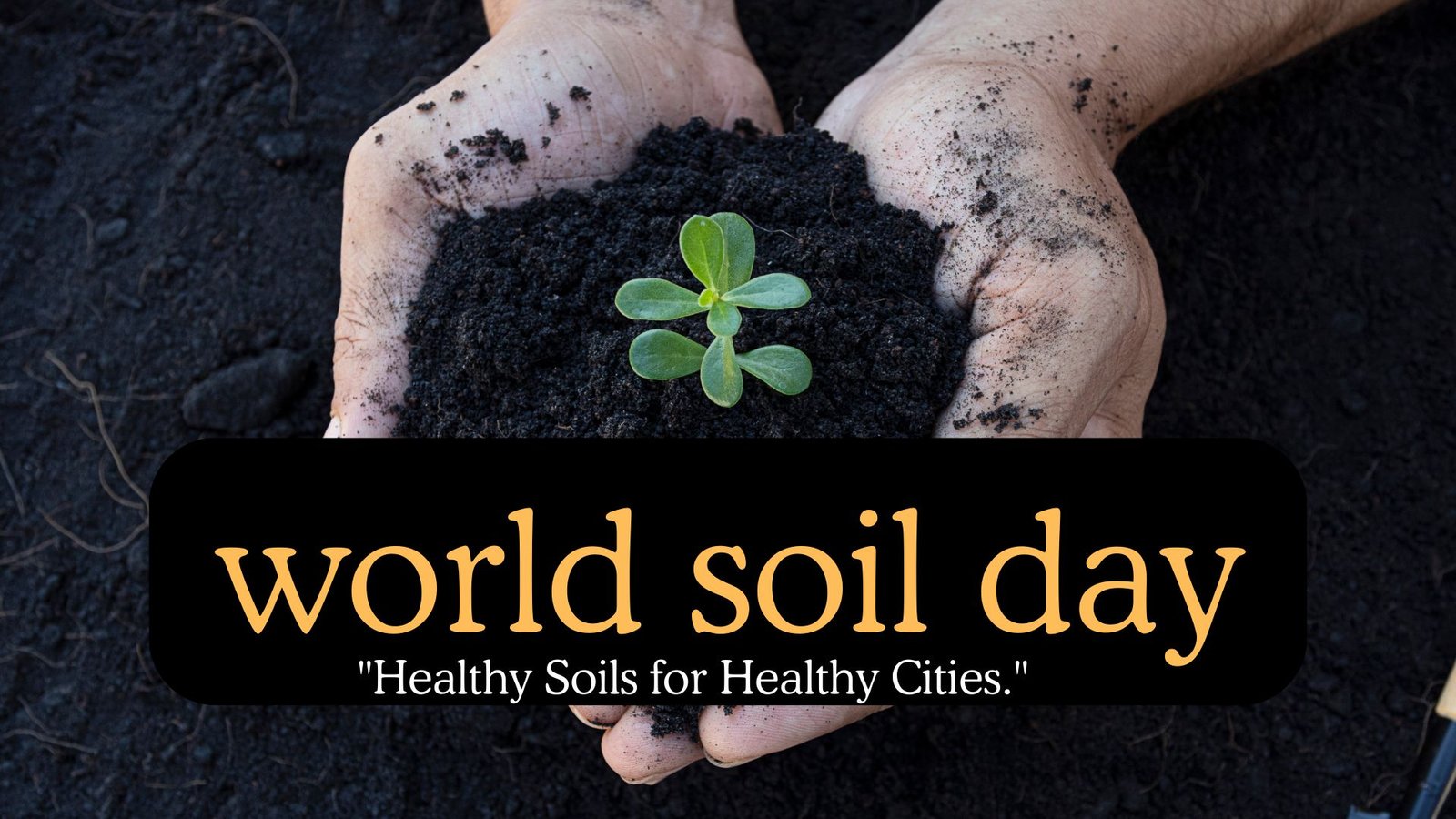
World Soil Day — Why Soil Matters More Than Ever
Soil silently sustains life on Earth — yet it is one of the most overlooked natural resources. Every year on 5 December, World Soil Day reminds the world that healthy soil is essential for food security, biodiversity, clean water, climate regulation and human wellbeing.
Written by
-
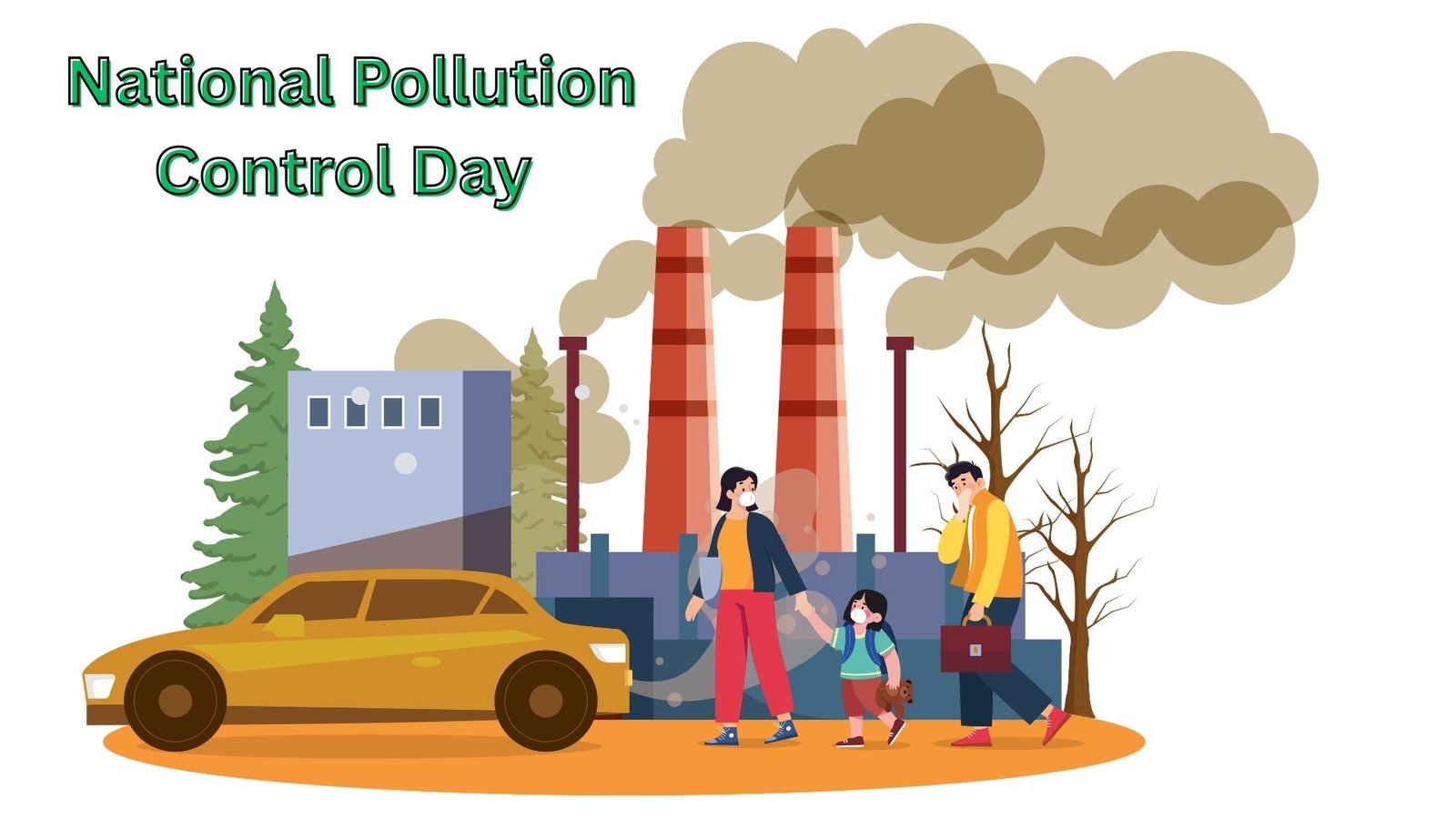
National Pollution Control Day — Why December 2 Matters More Than Ever
A Haunting Backdrop: The Birth of the Day Every year on December 2, India observes National Pollution Control Day — a solemn remembrance of one of the most devastating industrial disasters in world history: the Bhopal Gas Tragedy. On the night of December 2–3, 1984, a poisonous cloud of methyl isocyanate (MIC) gas leaked from…
Written by
-
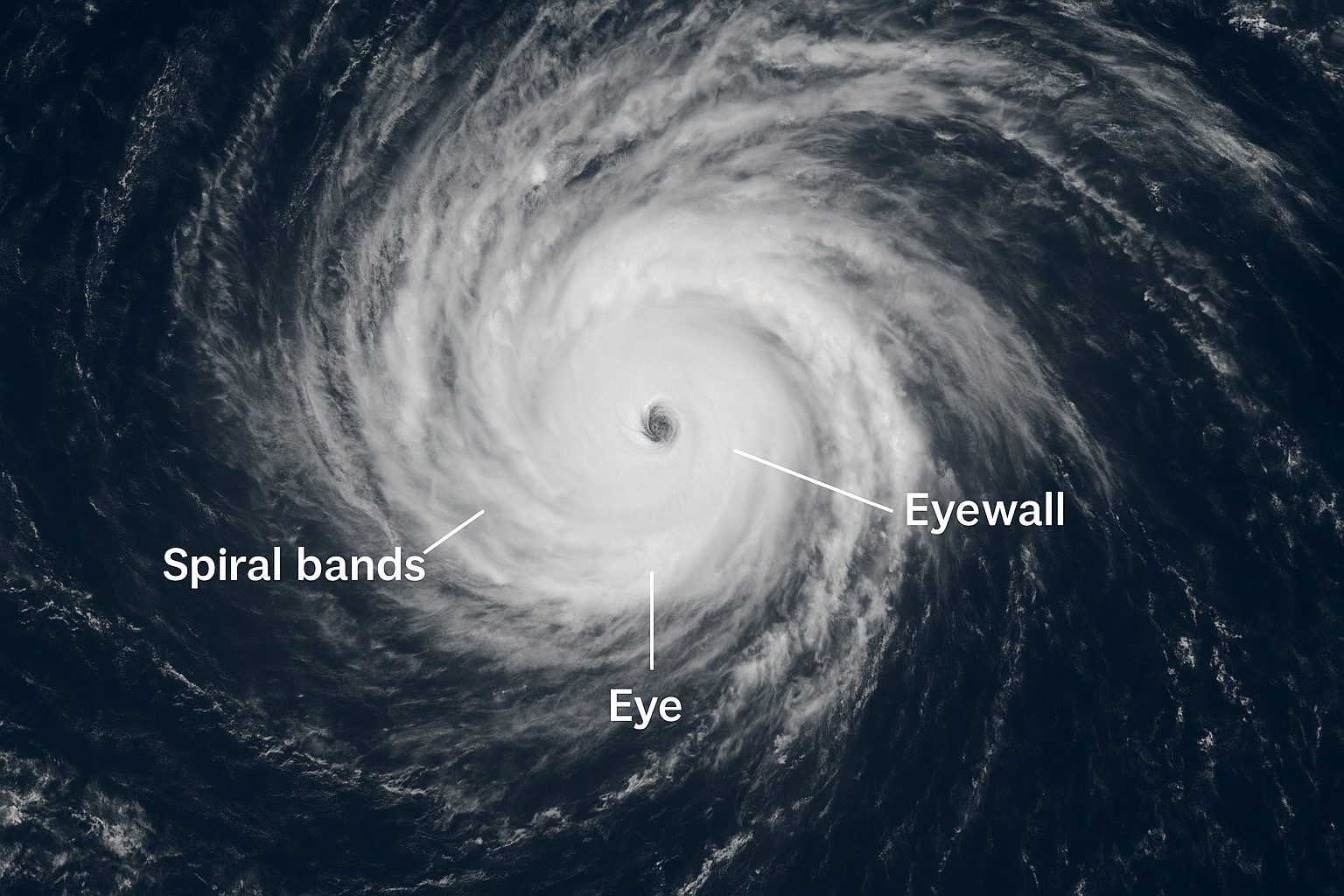
What is Cyclones? Types, Naming, Origin, and Concepts
What is a Cyclone? A cyclone is a large-scale air mass that rotates around a strong centre of low atmospheric pressure. It is a powerful natural phenomenon characterized by spiraling winds, heavy rains, and thunderstorms.In simple terms, a cyclone is a violent storm system formed over warm ocean waters, where the air spirals inward and…
Written by
-
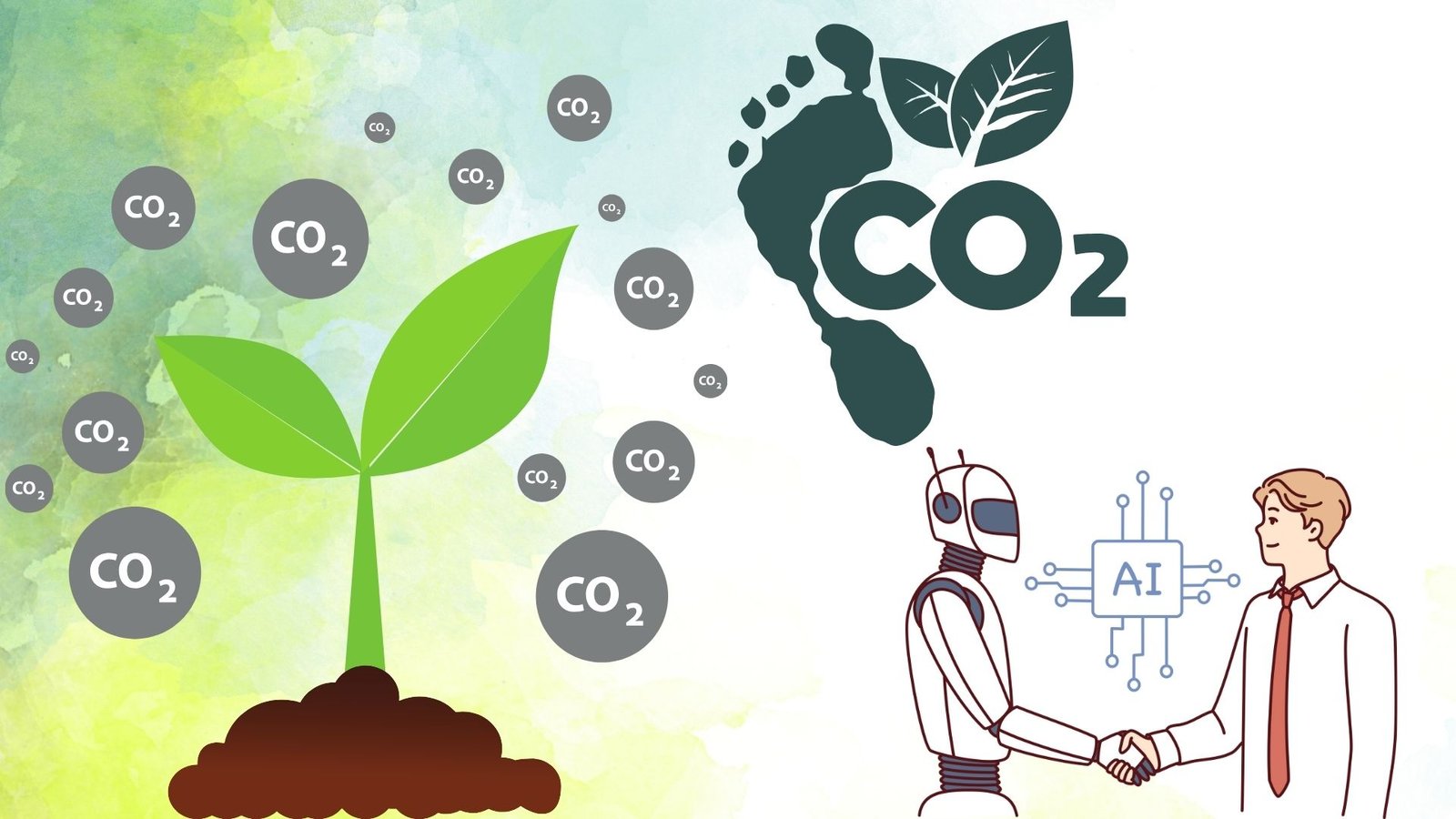
AI-Powered Tools for Soil Carbon Tracking & Farming
The New Gold Beneath Our Feet In the race against climate change, one of the most powerful climate solutions doesn’t lie in futuristic machines or faraway labs — it’s right beneath our feet.Soil, the living skin of our planet, holds more carbon than the atmosphere and vegetation combined. When managed well, it can capture and…
Written by
-
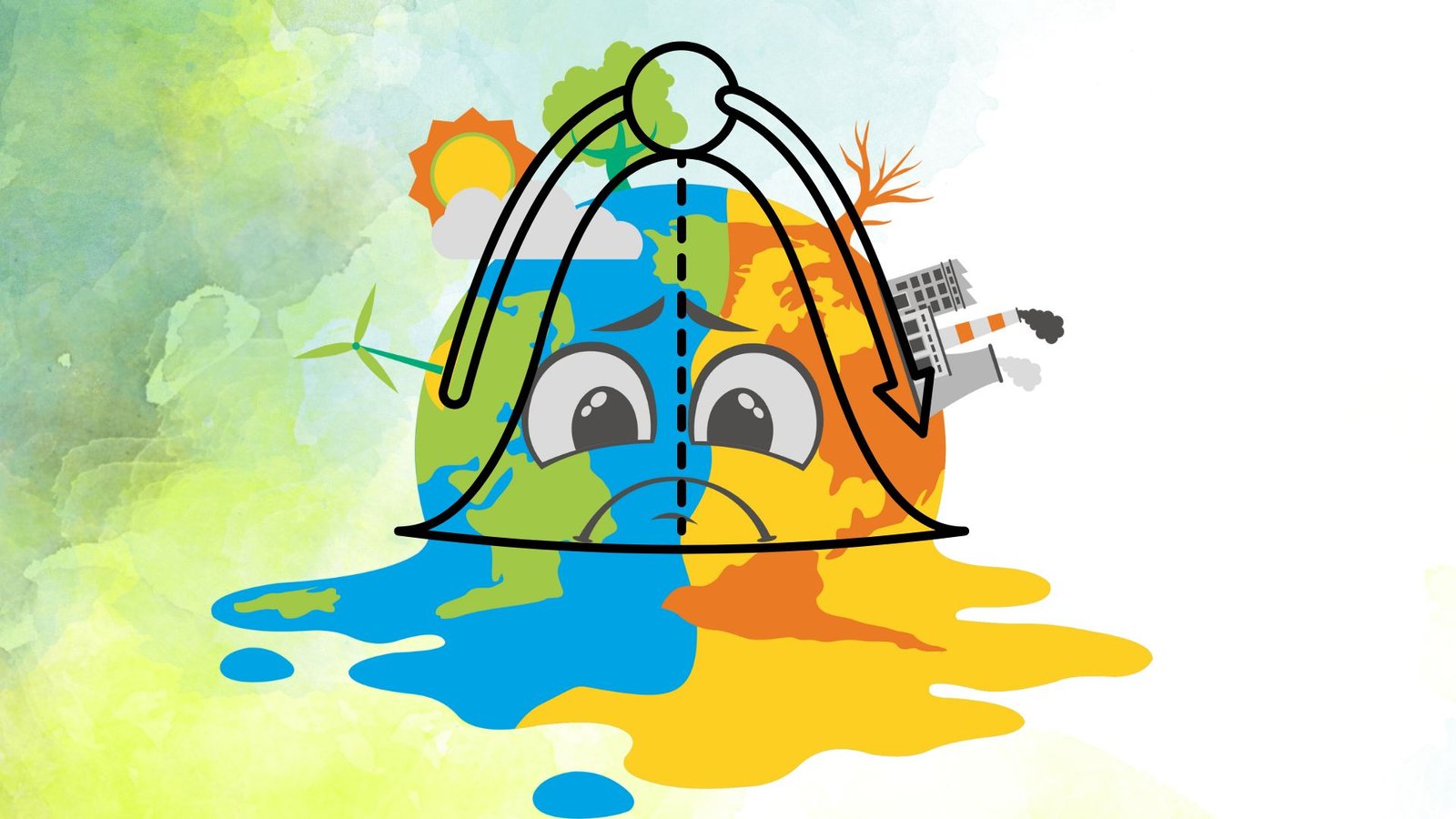
Tipping Point — What It Is, Why It Matters, and What We Can Do About It
A “tipping point” sounds dramatic — because it is. In climate and ecology, a tipping point is a critical threshold where a small additional change can push a whole system into a completely different state — often rapidly, and often with long-lasting consequences. Simply put, it’s that moment when gradual change turns into something sudden…
Written by
-
Waste-to-Energy Around the World: Global Success Stories
Imagine walking through a city where the trash trucks are part of the power grid. Where what was once a stinky pile of waste now helps light up homes, power factories, or warm buildings. That is not the future—it is happening now, across the world. Let’s explore some of the most inspiring success stories, then…
Written by