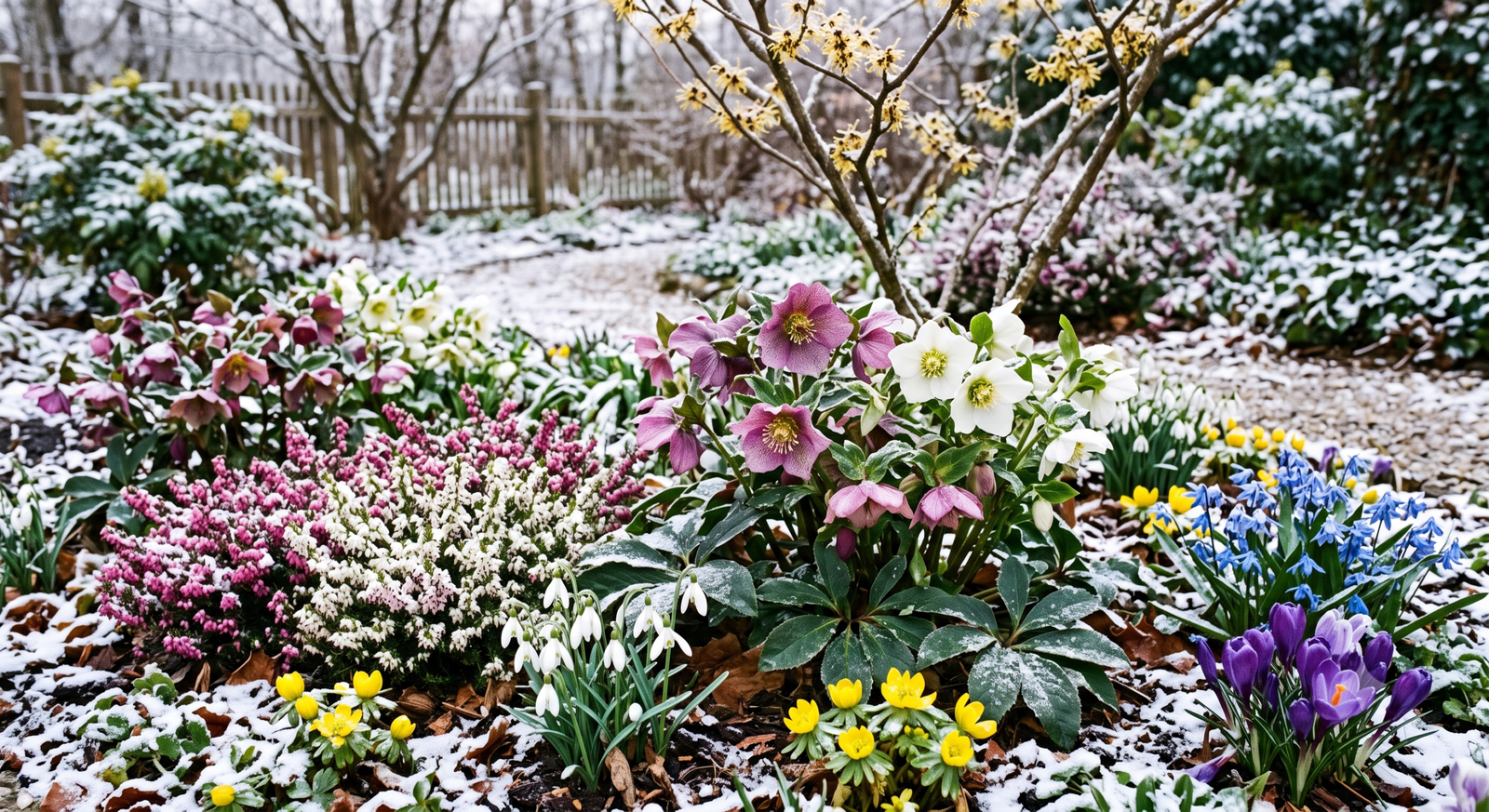
Every October I get the same message from a friend: “my winter flowers didn’t grow, what happened?” And every time, the answer is the same — they waited for the cold to arrive before planting, when the truth is almost backwards. Most of our best winter flowers need to go into the soil now, while it’s still warm enough to germinate, so they’re already established by the time the fog rolls in. Miss this window and you’re really waiting for spring instead.
Thank you for reading this post, don’t forget to subscribe!A small botanical secret: petunias and pansies actually deepen in color once the nights turn cold the chill triggers more pigment production in the petals. So, the flowers that look a little washed out in October are the same ones that’ll look stunning by December.
Start with the easy, cheerful ones
If I had to hand you three packets of seed and say “just plant these, you’ll be fine” — it’d be marigold, calendula, and sweet alyssum. All three forgive a missed watering, all three want as much sun as you can give them, and all three will be flowering within six to seven weeks of sowing. Marigold in particular is almost impossible to get wrong — it’s the flower every Diwali decoration in North India relies on, and for good reason.
Quick facts — Marigold: sow late Sept–Oct, blooms in 6–8 weeks, full sun, deep orange/lemon/gold. Calendula: sow Sept–Oct, blooms in 6–7 weeks, full sun. Sweet Alyssum: sow Sept–Oct, blooms in 5–6 weeks, full sun, and self-seeds so it comes back on its own.
Just behind them is the petunia — a single healthy plant can carry fifty or more blooms, and the trailing varieties look wonderful spilling over a balcony railing. The only real commitment it asks of you is a weekly habit of snipping off the spent flowers, which sounds like a chore but is honestly quite meditative once you get into the rhythm of it.
If your spot doesn’t get much sun
Not everyone has a south-facing balcony, and that’s fine — you just need to choose differently rather than give up. Pansies are the plant I recommend most often for shaded corners and north-facing windows; they actually seem to enjoy the moodier light of a foggy December morning, showing off their little tri-coloured “faces.” Dianthus is another good option if your space gets a few hours of dappled light rather than none at all — it comes back year after year as a perennial, so you’re really investing in future winters, not just this one.
For when you want to slow down and fuss a little
Some flowers ask more of you, and reward you more for it. Sweet peas need something to climb — a trellis, a railing, even a length of net — but in return they give you fragrance most other winter flowers don’t bother with. Carnations want pinching and disbudding if you’re after those big, full blooms florists use, which is a small, satisfying ritual once a week. And if you’ve got the patience for it, gladiolus corms planted in batches a couple of weeks apart will give you a slow, staggered parade of tall flower spikes right through peak winter instead of everything blooming at once.
Quick facts — Sweet Pea: sow late Sept–Oct directly where it will grow, blooms in 8–10 weeks, needs support. Carnation: sow Sept–Oct, blooms in 10–12 weeks, needs pinching and disbudding. Gladiolus: plant corms in October, staggered every two weeks, blooms in 10–12 weeks, stake the tall spikes.
A winter garden isn’t a smaller version of summer — it’s the one season most flowering annuals actually prefer.
How the next few months will actually go
Here’s roughly what you can expect if you plant this week — think of it less as a schedule and more as a diary of what’s coming.
- This week: Get marigold, petunia, calendula, sweet pea, sweet alyssum and dianthus into soil while it’s still warm — this is what makes everything else on time.
- Early October: Sow pansy and snapdragon, and start your first batch of gladiolus corms if you’re going for that staggered spike display.
- 2–3 weeks in: Anything you started in trays gets moved into its final pot or bed once you see two or three proper leaves.
- November–December: The fast movers — marigold, alyssum, calendula — open their first flowers as the nights properly cool down.
- December–February: Everything else joins in: sweet pea, carnation, gladiolus. This is peak season, and honestly the best-looking your garden will be all year.
A few things that trip people up
I keep watering and nothing’s coming up — am I doing it wrong?
Probably watering too much, actually. Seedbeds want to stay moist, not soggy, and in still-warm September soil, overwatering is the number one reason seedlings rot at the base before they even get going. A light water once a day beats a heavy soak every other day.
How deep should I actually bury the seeds?
Shallower than you’d think. Most of these — marigold and petunia especially — actually need some light to germinate, so a bare dusting of soil over them is plenty. Burying deep is a common instinct that works against you here.
Can I start seeds in a tray and move them later?
For most of these, yes — marigold and petunia transplant well. Sweet pea and calendula are the exceptions; they dislike having their roots disturbed, so it’s better to sow them directly where you want them to stay.
Do I really need to deadhead?
If you want more flowers, yes. Once a bloom fades, the plant starts putting its energy into making seeds instead of new flowers. Snipping off the spent ones on petunia, marigold and dianthus roughly doubles how much they’ll flower over the season — it’s a small habit with an outsized return.
What’s the one winter flower you’ve always wanted blooming outside your window this December? Do comment.
Leave a Reply